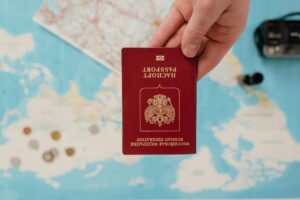
6-Year Financial Plan for MBBS in Italy: Complete Guide for Indian and International Students
Planning a 6 year financial plan MBBS Italy is the most critical step for any student eyeing a medical degree in Europe. Unlike shorter degree programs, a medical journey spans over half a decade, requiring a robust strategy to manage tuition, living expenses, and hidden costs. This guide provides a comprehensive year-by-year breakdown to help Indian and international students navigate their finances effectively.
Why You Need a 6-Year Financial Plan Before Starting
Most families approach education funding on a year-by-year basis, but this often leads to missed opportunities. A proactive 6-year financial plan for MBBS in Italy can save you 20–30% in total costs. This savings primarily comes from mastering the timing of scholarship applications and understanding regional income thresholds early.
By comparing the MBBS cost comparison Italy vs other countries, it becomes clear that while Italy is affordable, the upfront costs can be high. You should also review the specific MBBS tuition fees in Italy to understand how public university costs vary based on family income.
Year 1 — The Most Expensive Year (One-Time Setup Costs)
The first year of your medical journey is consistently the most expensive. This is due to one-time administrative fees, relocation costs, and the lag time between arriving and receiving your first scholarship installment.
One-time setup costs
| Cost Item | Estimated EUR | Estimated INR |
|---|---|---|
| Flight to Italy | €600 | ₹54,000 |
| Initial accommodation deposit | €1,000 | ₹90,000 |
| Apostille and document translation | €300 | ₹27,000 |
| Codice Fiscale and admin fees | €50 | ₹4,500 |
| Permesso di Soggiorno application | €120 | ₹10,800 |
| Winter clothing purchase | €400 | ₹36,000 |
| Initial grocery and household setup | €200 | ₹18,000 |
Year 1 recurring costs
In addition to setup fees, you must budget for tuition, rent, food, and transport. Tuition at public universities ranges from €156 to €4,000 per year, though most international students qualify for the lower end of that scale through the ISEE. Monthly living costs generally hover between €600 and €900 depending on the city.
DSU first application
You must submit your DSU scholarship application immediately upon arrival. This requires an ISEE calculation guide to ensure your Indian income documents are processed correctly by the CAF office. Missing this deadline can result in paying full tuition for the first year.
Total Year 1 estimate: €8,000–€12,000 (without scholarship) / €2,000–€4,000 (with full DSU).
Years 2–3 — Pre-Clinical Phase (Most Affordable Years With Scholarship)
Once you are settled, years two and three usually represent the most financially stable period. By now, you should have secured your scholarship and mastered local budgeting.
Year 2 and 3 cost breakdown
| Expense Category | Annual EUR | Annual INR |
|---|---|---|
| Tuition (with ISEE reduction) | €156 – €500 | ₹14,000 – ₹45,000 |
| Rent and Utilities | €4,200 – €6,000 | ₹3,78,000 – ₹5,40,000 |
| Food and Personal Care | €2,400 – €3,000 | ₹2,16,000 – ₹2,70,000 |
| Public Transport | €250 | ₹22,500 |
DSU renewal in Year 2 and 3
Maintaining your funding requires meeting specific academic credit (CFU) requirements. Consult our DSU scholarship renewal guide to ensure you don’t lose your benefits. Failing to earn enough credits will result in a request to pay back the scholarship money.
Part-time work contribution
Students can work up to 20 hours per week. This can contribute up to €6,000 per year to your budget. However, you must follow the part-time work tax guide Italy to understand how this income might affect your ISEE and scholarship eligibility in subsequent years.
Total Years 2–3 estimate per year: €5,000–€7,000 (without DSU) / €0–€2,000 (with DSU).
Years 4–5 — Clinical Phase (Additional Costs)
The clinical phase moves you out of the lecture hall and into the hospital. This transition introduces new, often overlooked expenses.
New costs in clinical years
- Medical equipment: You will need your own stethoscope, reflex hammer, and white coats.
- FMGE preparation: Many Indian students begin purchasing online coaching modules during Year 4.
- Hospital transport: Teaching hospitals are sometimes located further from the city center, potentially increasing monthly travel costs.
You should also be aware of the hidden costs of studying in Italy, such as health insurance price hikes as you age or regional taxes that apply during the clinical years.
Total Years 4–5: €6,000–€8,000/year (without DSU) / €1,000–€3,000 (with DSU).
Year 6 — Final Year + FMGE Preparation
The final year focuses on your thesis and preparing for the transition back to India or toward an EU residency.
Thesis and Final Exams
Printing and binding your medical thesis can cost between €100 and €300. There are also administrative fees associated with the final degree application and the diploma itself. During this time, you might also consider a VAT refund guide Italy students for any major equipment or laptops purchased before leaving the EU.
Returning to India
For Indian students, the path forward involves the Foreign Medical Graduate Examination (FMGE) or the upcoming NExT exam. According to the National Medical Commission (NMC), specific documentation from your Italian university is required for eligibility.
- Return flight to India: ₹30,000–₹60,000
- FMGE coaching and application fees: ₹15,000–₹50,000
- Degree apostille for India: €200
Refer to our IMAT exam guide if you are helping juniors through this process during your final year.
Complete 6-Year Financial Summary
| Year | Phase | Tuition (EUR) | Living (EUR) | Other (EUR) | Total (EUR) | Total (INR) | With DSU (EUR) |
|---|---|---|---|---|---|---|---|
| Year 1 | Setup | €1,000 | €8,000 | €2,000 | €11,000 | ₹9,90,000 | €3,000 |
| Year 2 | Pre-Clinical | €500 | €6,000 | €300 | €6,800 | ₹6,12,000 | €1,000 |
| Year 3 | Pre-Clinical | €500 | €6,000 | €300 | €6,800 | ₹6,12,000 | €1,000 |
| Year 4 | Clinical | €500 | €7,000 | €500 | €8,000 | ₹7,20,000 | €2,000 |
| Year 5 | Clinical | €500 | €7,000 | €500 | €8,000 | ₹7,20,000 | €2,000 |
| Year 6 | Final | €500 | €7,000 | €1,500 | €9,000 | ₹8,10,000 | €3,000 |
| TOTAL | 6 Years | €3,500 | €41,000 | €5,100 | €49,600 | ₹44,64,000 | €12,000 |
Scenario Comparison
| Scenario | 6-Year Total EUR | 6-Year Total INR |
|---|---|---|
| Best Case (Full DSU + Part-time) | €12,000 | ₹10,80,000 |
| Average Case (Partial DSU, No Work) | €28,000 | ₹25,20,000 |
| No Scholarship (Full Fees) | €55,000 | ₹49,50,000 |
| India Private MBBS Comparison | €100,000+ | ₹90,00,000+ |
Year-by-Year Action Plan
To execute your 6 year financial plan MBBS Italy, follow these annual steps:
- Yearly: Renew your ISEE before the September deadline. Check the Italy scholarship stacking guide to see if you can add merit awards.
- Monthly: Optimize your transfers. Use a sending money India to Italy guide to minimize bank fees and exchange rate losses.
- Arrival: Open a local account. Read our Italy student bank account comparison to find zero-fee options for students.
For International Students
While this guide emphasizes INR conversions for Indian applicants, the framework applies to all global students. International students from non-EU countries should note that while the RBI LRS rules are India-specific, the core requirements for ISEE and DSU remain identical across all non-EU nationalities. For detailed administrative timelines, view the Italy study timeline.
FAQs
Can I survive in Italy on a DSU scholarship alone?
Yes, in most cities except Milan or Rome, the DSU scholarship (approx. €6,000-€7,000 including meal vouchers) covers basic rent and food if you live frugally.
What happens if I fail my exams?
If you do not meet the minimum credit requirement, you lose your scholarship for the following year and may have to repay the current year’s stipend.
How much money should I carry for the first month?
It is recommended to have at least €2,000 to €3,000 in your Italy student bank account to cover deposits and initial setup.
Is health insurance included in the 6-year plan?
Yes, the public health insurance (SSN) for students is approximately €700 per year, which is factored into the “Living” or “Other” categories in our tables.
Do Indian banks provide loans for MBBS in Italy?
Yes, most major Indian banks provide education loans for Italian public universities, provided you have an admission letter and meet their collateral requirements.
Can I combine DSU with other merit scholarships?
Usually, no. Most regional scholarships are mutually exclusive. Check the scholarship stacking guide for specific exceptions.
Need a Personalised Financial Plan?
Every student’s financial situation is unique based on their city of choice and family income levels. If you need a tailored breakdown for your specific university, contact us for a consultation.