A Day in the Life of an Engineering Student at Sapienza University of Rome: Real Experience for Indian Students
Ever wondered what it is truly like to trade the familiar bustle of an Indian campus for the historic halls of Europe’s largest university? Understanding the engineering student life Sapienza University of Rome Rome Indian students experience is about more than just attending lectures; it is a transformative journey set against the backdrop of the Eternal City. From early morning espressos near the San Pietro in Vincoli campus to late-night group projects in the university libraries, life at Sapienza is a unique blend of rigorous academic standards and the vibrant Italian lifestyle. Whether you are aiming for a Bachelor’s or a Master’s, navigating this path requires balancing a demanding engineering in Italy curriculum with the practicalities of living abroad.
First Impression — What Indian Engineering Students Say About Sapienza University of Rome
For most Indian students, the first sight of the “Città Universitaria” (University City) is overwhelming. Sapienza University of Rome, ranked #132 globally, is essentially a city within a city. Unlike the gated campuses common in India, Sapienza is integrated into the fabric of Rome. Indian students often remark on the sheer scale of the institution, which hosts over 120,000 students. The first impression is usually one of awe at the historic architecture, followed quickly by the realization that the pace of life here is vastly different. While the bureaucracy can be complex, the freedom to explore diverse subjects and the high quality of research facilities make it an aspirational destination for those looking to excel in technical fields.
A Typical Day — Bachelor’s Year 1 (Foundation Year)
The first year of an engineering degree at Sapienza is often referred to as the “Foundation Year.” It is designed to bridge the gap between high school and specialized technical training, focusing heavily on mathematics, physics, and chemistry.
Morning — Core Engineering Lectures
A typical morning begins around 8:30 AM. Classes for first-year students are usually held in large lecture halls. Unlike the strict attendance policies in many Indian colleges, attendance at Sapienza is often technically optional, though highly recommended. Professors deliver detailed lectures, and students are expected to take meticulous notes. The focus is on theoretical foundations, which are critical for passing the rigorous engineering in Sapienza exams later in the semester.
Afternoon — Lab Sessions & Tutorials
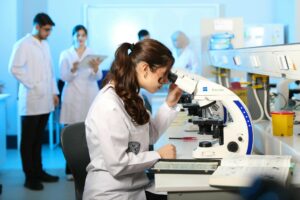
After a quick lunch—often a “panino” or a meal at the “Mensa” (university canteen)—the afternoon is dedicated to practical application. This is where students get their first taste of hands-on work. Tutorials involve solving complex problem sets under the guidance of teaching assistants, while introductory lab sessions familiarize students with basic instrumentation and safety protocols. These sessions are crucial for building the collaborative skills needed for later years.
Evening — Group Projects & Study
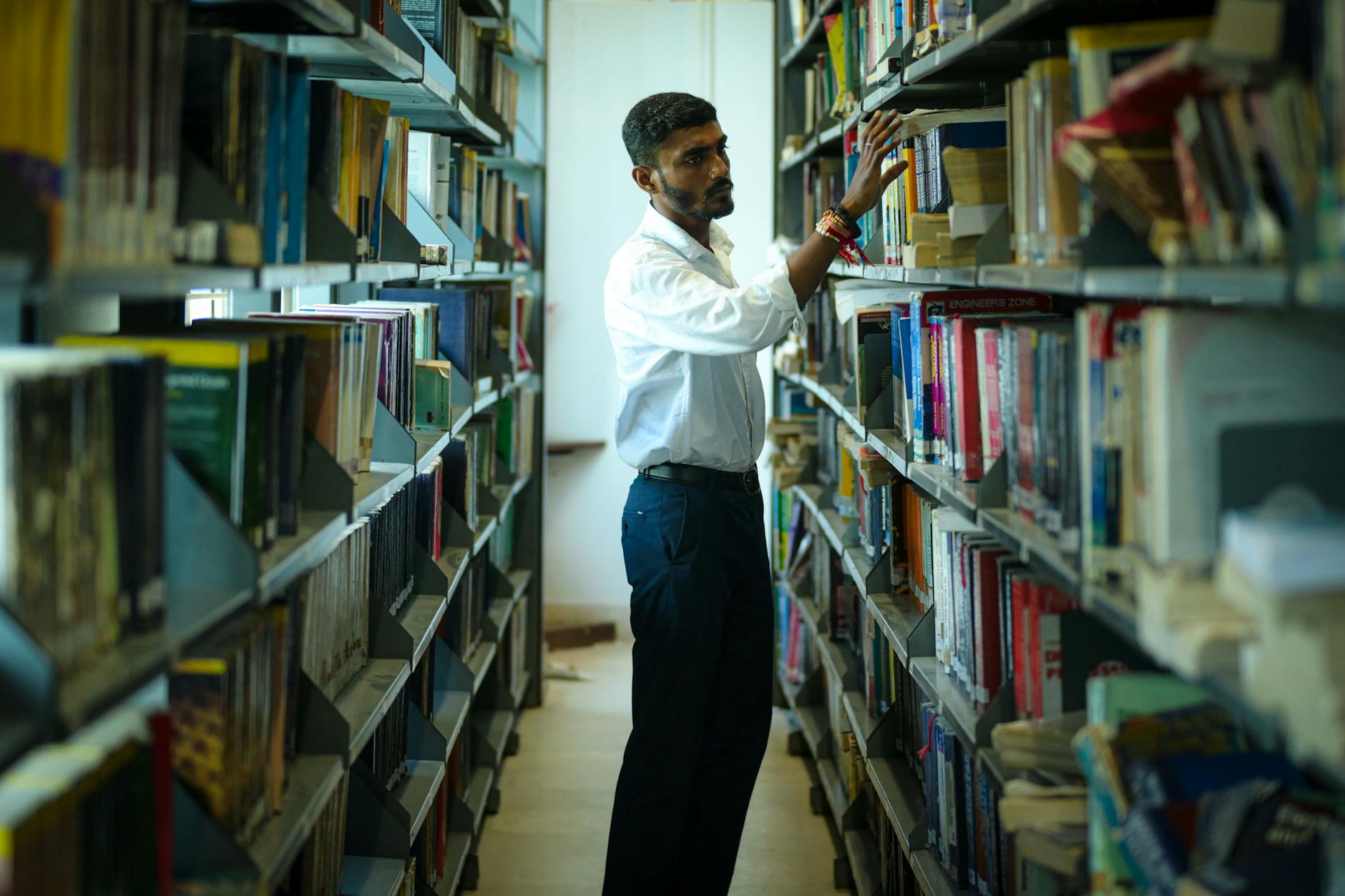
By 5:00 PM, the formal school day ends, but the work is far from over. Indian students frequently gather in the university’s 24-hour libraries to review the day’s material. Group study is a cornerstone of the Sapienza experience. It’s common to see students debating calculus problems over coffee or planning their first year-end projects. This is also when many students manage their personal chores, such as grocery shopping or preparing Indian meals to save on the cost of living in Italy.
A Typical Day — Master’s Year 1 (Advanced)
At the Master’s level, the atmosphere shifts from foundational learning to specialized research and industry preparation. The schedule becomes more flexible but the intellectual load increases significantly.
Morning — Specialised Lectures
Master’s students often enjoy smaller class sizes, allowing for more direct interaction with professors. Lectures are highly specialized, focusing on topics like Advanced Fluid Dynamics, Structural Optimization, or Artificial Intelligence. There is a strong emphasis on current industry trends and global research standards.
Afternoon — Research Lab / Industry Project
Afternoons for Master’s students are typically spent in high-tech laboratories. Whether it’s running simulations in the CAD/CAM labs or working on a robotics prototype, the focus is on innovation. Many students at this level are also involved in industry-sponsored projects, providing a direct link between their studies and future careers in the universities sector or private industry.
Evening — Thesis preparation / internship applications
The evening hours are often dedicated to the “Tesi di Laurea” (Final Thesis). This involves extensive literature reviews, data collection, and writing. Students also use this time to apply for internships across Europe, leveraging Sapienza’s extensive network of partner companies and exchange opportunities.
Weekly Schedule
| Day | Morning | Afternoon | Evening |
|---|---|---|---|
| Monday | Mathematical Analysis II | Physics Lab | Library Study / Note Review |
| Tuesday | Applied Mechanics | Tutorial Session | Indian Students Meetup |
| Wednesday | Chemistry for Engineers | Computer Science Lab | Part-time Work / Freelancing |
| Thursday | Technical Drawing | Group Project Work | Cooking & Meal Prep |
| Friday | Electrotechnics | Seminar / Guest Lecture | Socializing in San Lorenzo |
| Saturday | Self-Study / Revision | City Exploration / Laundry | Rest / Movie Night |
| Sunday | Relaxation / Call Home | Weekly Grocery Run | Planning the Week Ahead |
Academic Culture — What’s Different from India
Adapting to the Italian academic system is perhaps the biggest challenge for Indian students. The culture at Sapienza rewards independence and critical thinking over rote memorization.
Project-Based Assessment vs Exams
While Indian systems often rely on periodic internal marks and final written tests, Sapienza places a heavy emphasis on large-scale projects, especially in later years. Your ability to apply theory to a real-world problem is often more important than your ability to solve an equation on paper.
Oral Exams (Italian style, even for engineers)
This is the most “Italian” aspect of the degree. Many engineering exams at Sapienza are oral. After a written qualifying round, you must sit face-to-face with the professor and defend your answers, explain your reasoning, and demonstrate a deep conceptual understanding of the subject. It can be intimidating but builds incredible communication skills.
Collaborative Group Work
Engineering is a team sport at Sapienza. Most significant assignments require you to work in diverse teams, often with students from Italy, elsewhere in Europe, and across the globe. This mimics the environment of international engineering firms.
Professor Accessibility
Professors at Sapienza are highly respected experts, but they are generally more accessible than their Indian counterparts. During “Ricevimento” (office hours), students are encouraged to ask questions and discuss research ideas. However, you are expected to come prepared with specific queries.
Labs, Software & Equipment Indian Students Get Access To
Sapienza provides world-class infrastructure to support its engineering students. Access to these facilities is a major highlight of the program:
- CAD/CAM Labs: High-end workstations equipped with industry-standard software for mechanical and civil design.
- 3D Printing Facilities: Accessible for prototyping in courses like manufacturing and aerospace engineering.
- Computing Clusters: For students involved in high-performance computing, data science, and complex simulations.
- Simulation Software: Full licenses for MATLAB, ANSYS, SolidWorks, and specialized electronic design automation (EDA) tools.
- Electronics & Robotics Labs: Dedicated spaces for circuit design, testing, and building autonomous systems.
Social Life as an Engineering Student in Rome
Life in Rome is not just about the classroom. The social scene is an essential part of the engineering student life Sapienza University of Rome Rome Indian students enjoy.
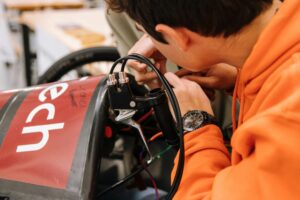
- Student Clubs & Hackathons: Participate in the Sapienza Aerospace Student Association (SASA) or join the Formula SAE team to build and race a formula-style car.
- ESN Events: The Erasmus Student Network organizes trips, parties, and cultural exchanges that help you meet students from all over the world.
- Indian Student Group: There is a growing community of Indian students who celebrate festivals like Diwali and Holi together, providing a “home away from home.”
- Day Trips from Rome: On weekends, use the efficient train system to visit Florence, Naples, or the beaches at Ostia, all while traveling on a student budget.
Balancing Studies, Social Life & Part-Time Work
Many Indian students choose to work part-time to gain experience and supplement their finances. Your Italy student visa allows you to work up to 20 hours per week. Managing this alongside a demanding engineering load requires discipline. Most students find roles as English tutors, research assistants, or in the hospitality sector. The key is to front-load your studies during the week so that your weekends or evenings can be used for work and relaxation without falling behind on the intensive syllabus.
FAQs
Is engineering at Sapienza taught in English?
Yes, many Bachelor’s and most Master’s programs in engineering are offered entirely in English, specifically to attract international students. However, learning basic Italian is helpful for daily life and local internships.
How difficult are the engineering exams at Sapienza?
The exams are known for being rigorous. The oral exam format requires a deep understanding of the subject. However, students are given multiple dates (Appelli) throughout the year to attempt each exam, which provides some flexibility.
Can I get a scholarship for engineering at Sapienza?
Yes, Indian students can apply for regional DSU scholarships which cover tuition fees and provide a yearly stipend. Check our guide on scholarships in Italy for details on eligibility and deadlines.
Where do engineering students usually live in Rome?
Many engineering students prefer the San Lorenzo district (near the main campus) or areas like Bologna and Tiburtina, which offer a good balance of affordability and proximity to the university facilities.
What is the average monthly expense for an Indian student in Rome?
On average, a student needs between €800 and €1,100 per month. This includes rent, food, transport, and leisure. Sharing an apartment and cooking at home are the best ways to save.
Are there job opportunities in Italy after an engineering degree from Sapienza?
Absolutely. Sapienza has a strong reputation with major European firms in aerospace, automotive, and civil engineering. Graduates are eligible for a post-study work permit to stay and search for jobs in Italy or the EU.
Want to Experience Engineering at Sapienza?
Ready to start your journey in the heart of Italy? From choosing the right specialization to navigating the visa process, our experts are here to guide you every step of the way. Contact us today for a free consultation and take the first step toward your engineering career at Sapienza University of Rome!