A Day in the Life of an Engineering Student at University of Padua: Real Experience for Indian Students
For many Indian students, the dream of studying abroad is often centered around finding a perfect balance between academic prestige and a vibrant lifestyle. The engineering student life University of Padua Padua Indian students experience is a unique blend of 800 years of history and cutting-edge innovation. Located in the heart of Northern Italy, the University of Padua (UniPd) is not just a place to earn a degree; it is a city-wide campus where the engineering in Padua curriculum meets a cosmopolitan, bike-friendly culture that feels worlds apart from the high-pressure environments of many Indian technical institutes.
Whether you are pursuing a Bachelor’s in Information Engineering or a Master’s in Computer Engineering, life here is defined by freedom, responsibility, and the legendary “spritz” culture. In this guide, we walk through the daily routine, academic rigor, and social opportunities that await you in this historic student city.
First Impression — What Indian Engineering Students Say About University of Padua
The first thing most Indian students notice upon arrival is that the university is woven into the very fabric of the city. Unlike the gated campuses common in India, UniPd’s departments are spread across various historic and modern buildings throughout Padua. “My first impression was the sheer scale of history,” says Rahul, a Master’s student from Hyderabad. “You might have a lecture in a building where Galileo once taught, and then go to a state-of-the-art computer lab ten minutes later by bike.”
Parents are often impressed by the scholarships in Italy available to Indian students, which can significantly lower the cost of living in Italy. The initial culture shock usually fades quickly as students discover the large international community and the accessibility of professors, who are often world-renowned researchers but maintain an open-door policy for students.
A Typical Day — Bachelor’s Year 1 (Foundation Year)
The first year of a Bachelor’s degree in engineering is often referred to as the foundation year. It is designed to bridge the gap between high school mathematics and physics and advanced engineering concepts. For Indian students, the transition involves moving from a “learning by rote” system to one that emphasizes deep conceptual understanding.
Morning — Core Engineering Lectures
The day typically starts around 8:30 AM. Mornings are reserved for core subjects like Calculus 1, Linear Algebra, and Physics. Lectures are held in large “Aula” rooms. Unlike India, where attendance might be strictly monitored via registers, here you are treated as an adult; your presence is your own responsibility. The teaching style is theoretical and rigorous, providing the mathematical “muscles” needed for later years.
Afternoon — Lab Sessions & Tutorials
After a quick lunch at one of the university canteens (Mensa), where you can get a full meal for about €4.50 using your student card, it’s time for practicals. For Information Engineering students, this might mean a “Digital Systems” or “Foundations of Computer Science” lab. These sessions are where you apply theory to actual hardware or software projects, often working in pairs to solve coding challenges or circuit designs.
Evening — Group Projects & Study
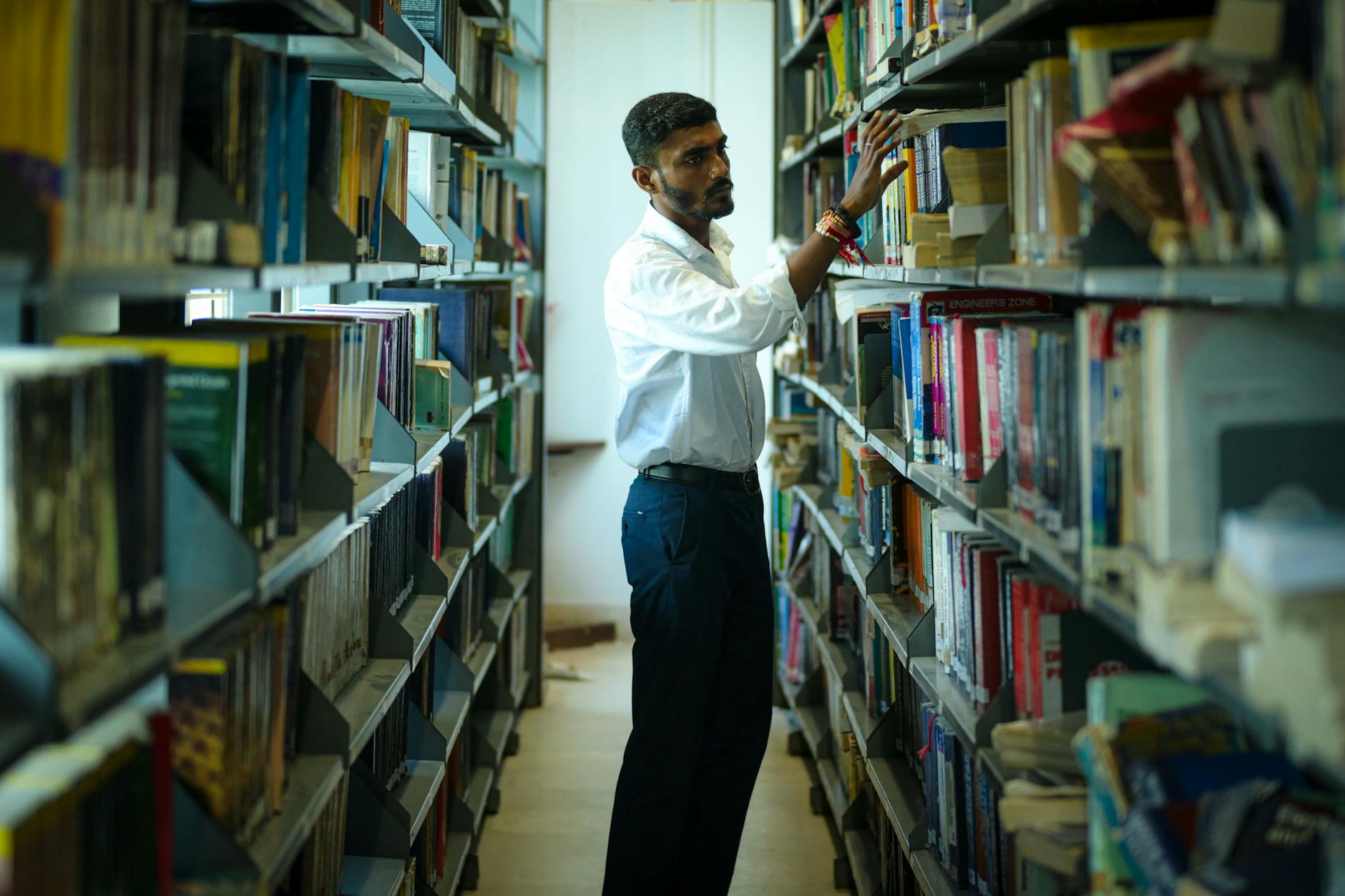
By 5:00 PM, lectures usually wrap up. Many students head to the university libraries, like the modern “Polo Beato Pellegrino,” to work on group assignments. Group work is a massive part of the Italian system. You’ll find yourself collaborating with students from Italy, Iran, Turkey, and China. After a few hours of study, it’s common to head to Piazza delle Erbe for a coffee or a quick bite before heading home to cook a familiar Indian meal.
A Typical Day — Master’s Year 1 (Advanced)
Master’s students experience a much more specialized and research-oriented routine. Since many Master’s programs are taught entirely in English, the environment is incredibly international.
Morning — Specialised Lectures
Master’s classes are often smaller and more interactive. A student in Computer Engineering might spend the morning discussing Artificial Intelligence, Robotics, or High-Performance Computing. Professors often bring their own research into the classroom, discussing the latest trends in global tech and how they apply to the European industry.
Afternoon — Research Lab / Industry Project
The afternoon is for deep dives. Master’s students have access to advanced labs for 3D printing, simulation software like ANSYS, or specialized electronics labs. Many students are involved in industry-linked projects. Padua has strong ties with the industrial clusters of Northeast Italy, meaning your afternoon “homework” might actually be a problem-solving task for a local robotics firm.
Evening — Thesis Preparation / Internship Applications
As a Master’s student, the focus quickly shifts toward the final thesis and the future. Evenings are often spent looking for internships or checking the university’s job portal. Because of the italy student visa regulations, students also use this time to ensure their “Permesso di Soggiorno” (residence permit) paperwork is in order, often with help from the university’s international office.
Weekly Schedule
The schedule for engineering students varies, but a typical week looks like this:
| Day | Morning (08:30 – 13:00) | Afternoon (14:00 – 17:30) | Evening (18:00 onwards) |
|---|---|---|---|
| Monday | Calculus / AI Lectures | Computer Science Lab | Self-study / Grocery Shopping |
| Tuesday | Physics / Robotics | Linear Algebra Tutorial | Indian Student Group Meetup |
| Wednesday | Technical Drawing / CAD | Library Research Session | Sports at CUS Padova |
| Thursday | Electronics / Signal Processing | Group Project Meeting | Aperitivo in the Piazza |
| Friday | Chemistry / Management | Review Session / Lab Work | Weekend Planning |
| Saturday | Revision / Past Paper Review | Rest / Hobby Time | Dinner with Friends |
| Sunday | Rest | Exploring nearby Venice/Verona | Meal Prep for the Week |
Academic Culture — What’s Different from India
One of the biggest hurdles for Indian students is the shift in academic culture. While the engineering in Italy standard is world-class, the way you are assessed is unique.
Project-Based Assessment vs Exams
In many Indian colleges, the semester grade is almost entirely dependent on a final written exam. In Padua, while exams are heavy, there is a growing emphasis on “continuous assessment” through projects. You might be asked to build a working robot or a software application over three months, which counts for 40-50% of your final grade.
Oral Exams (Italian style)
This is the most “Italian” part of the experience. Many engineering courses have an oral exam (orale) component. After passing the written part, you sit face-to-face with the professor and explain your reasoning. It tests your communication skills and depth of understanding—not just your ability to solve equations.
Collaborative Group Work
In India, competition for ranks can sometimes be solitary. In Padua, you cannot survive without your “colleghi” (classmates). You will share notes, solve lab problems together, and prepare for exams in groups. This collaborative spirit is essential for future careers in global engineering firms.
Professor Accessibility
Professors at UniPd are very accessible via email or during their “Ricevimento” (office hours). They appreciate students who ask inquisitive questions. Don’t be afraid to reach out if you’re struggling with a concept; they see you as a future colleague, not just a roll number.
Labs, Software & Equipment Indian Students Get Access To
The School of Engineering at UniPd is one of the largest in Italy, and the facilities reflect that. Indian students gain hands-on experience with equipment that is often only available at the top IITs or NITs back home.
- CAD/CAM Labs: Advanced workstations equipped with SolidWorks and CATIA for mechanical and aerospace design.
- 3D Printing: Rapid prototyping facilities for student projects and research.
- Simulation Software: Full access to MATLAB, ANSYS, and specialized electronic simulation tools.
- Computing Clusters: For those in Computer Science or Data Science, the university provides access to high-performance computing clusters for big data analysis.
- Electronics Labs: Clean rooms and specialized labs for microelectronics and power electronics.
Social Life as an Engineering Student in Padua
It’s not all labs and lectures. Padua is one of the most vibrant student cities in Europe. Because of its size, you will constantly bump into friends while walking through the city center.
- Engineering Clubs: Join the Formula SAE team to build a racing car or the robotics club for international competitions.
- ESN Events: The Erasmus Student Network (ESN) organizes trips, parties, and cultural exchanges that are open to all international students.
- Indian Student Community: There is a growing number of Indian students in Padua. From celebrating Diwali together to weekend cricket matches at local parks, you’ll never feel too far from home.
- Day Trips: Padua is perfectly located. You can be in Venice in 25 minutes or Verona in 45 minutes by train, making weekend escapes incredibly easy and affordable.
Balancing Studies, Social Life & Part-Time Work
Italian student visas allow Indian students to work part-time for up to 20 hours per week. However, engineering is a demanding field. Most students recommend focusing purely on studies for the first semester until you understand the pace.
Common part-time jobs include delivery services (like Deliveroo or Glovo), English tutoring, or working in student canteens. A typical student earns between €8 and €12 per hour. Managing these hours requires strict time-blocking—treating your “study hours” like a job is the only way to ensure you don’t fall behind while earning extra pocket money to cover the cost of living in Italy.
FAQs
1. Is the medium of instruction really English for Engineering?
Yes, many Master’s programs and specific Bachelor’s tracks (like Information Engineering) are taught entirely in English. However, learning basic Italian is highly recommended for daily life and part-time jobs.
2. How much does an Indian student realistically spend per month in Padua?
On average, a student spends between €700 and €900 per month, including rent in a shared apartment, food, and transport. This can be significantly reduced if you win a regional DSU scholarship.
3. Are Indian students eligible for scholarships at University of Padua?
Absolutely. Indian students can apply for merit-based scholarships (like the Padua International Excellence Scholarship) and income-based regional scholarships (DSU) which can cover tuition and provide a living stipend.
4. How do I find accommodation in Padua?
The university offers some dorms, but most students live in private shared apartments. It is best to start searching 3-4 months before arrival using platforms like HousingAnywhere or local Facebook groups.
5. Can I stay in Italy after my engineering degree?
Yes, Italy offers a 12-month “permesso per ricerca lavoro” (job-seeker permit) after graduation, allowing you to stay and look for a job related to your degree across the EU.
6. Is an Indian 12th-grade certificate sufficient for admission to a Bachelor’s?
Italy generally requires 12 years of schooling. Most Indian boards are accepted, but you must provide a “Declaration of Value” or a Statement of Comparability to prove your credentials meet the Italian standard.
Want to Experience Engineering at Padua?
Embarking on an engineering journey at one of the world’s oldest universities is a life-changing decision. Whether you need help with your application, scholarship guidance, or understanding the visa process, our experts are here to help you navigate every step.
Explore more about our partner universities or specifically learn about engineering in Padua to start your Italian adventure. Ready to take the next step? Contact us for a free consultation today!