A Day in the Life of an MBBS Student at University of Milan: Real Indian Student Experience
Choosing to study medicine abroad is a monumental decision for any Indian family. When I first landed at Malpensa Airport, I wasn’t just carrying suitcases; I was carrying the dreams of my parents and a bit of nervous excitement about the MBBS student life University of Milan Milan daily routine. Transitioning from the high-pressure environment of NEET coaching in India to the historic corridors of one of Europe’s most prestigious institutions, the University of Milan (UniMi), has been a journey of transformation. In this guide, I want to walk you through what life is actually like here, from the early morning espressos to the late-night library sessions.
The International Medical School (IMS) at Milan is uniquely designed for international students, with the entire 6-year course conducted in English. However, living in Milan as an Indian student means balancing rigorous academics with the vibrant lifestyle of Italy’s fashion capital. Whether you are a parent researching for your child or a student who has just cleared the IMAT exam, this breakdown will give you a transparent look at our daily schedules, hospital rotations, and social life.
First Impressions — What Indian Students Say About University of Milan
For most Indian students, the first thing that strikes you about the University of Milan is the scale of history. Unlike the enclosed campuses we see in India, UniMi is woven into the fabric of the city. My first day at the L.I.T.A. (Laboratorio Interdisciplinare di Tecnologie Avanzate) campus in Segrate felt world-class. The facilities are modern, the laboratories are cutting-edge, and the library is a sanctuary for those of us aiming for excellence.
Indian students often mention the shift in teaching style. In India, we are used to rote learning and frequent multiple-choice tests. Here, the focus is on understanding the “why” behind every physiological process. The professors at MBBS in Milan are often leading researchers in their fields, yet the small class sizes (around 50-60 students) allow for a surprisingly personal relationship. You aren’t just a roll number; you are a future colleague. This welcoming atmosphere helps significantly when dealing with the initial culture shock and the complexities of the Italy student visa process.
Pre-Clinical Years (Year 1–3) — A Typical Day
The first three years are what we call the “foundation years.” This is where you grind through Anatomy, Physiology, and Biochemistry. It’s a period of heavy textbooks and building the mental stamina required for the clinical years ahead.
Morning (7:00–12:00) — Lectures & labs
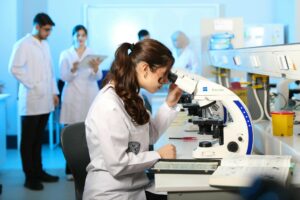
My day usually starts at 7:00 AM. I live in a shared apartment, and after a quick breakfast of poha or an Italian cornetto, I catch the metro. Most of our pre-clinical lectures take place at the L.I.T.A. campus. Classes typically begin at 8:30 AM and are organized in two-hour blocks. Professors use high-resolution 3D models and digital tools to explain complex systems. One of the highlights is the Anatomy lab, where we get hands-on experience with models and histological slides that are essential for our future practice.
Afternoon (12:00–14:00) — Lunch, canteen culture
Lunch is a sacred time in Italy. Most of us head to the university “Mensa” (canteen). For Indian students, the Mensa is a lifesaver. With a student card, you can get a full three-course meal for a few Euros. While you won’t find spicy biryani every day, the pasta, risotto, and salads are fresh and filling. This is where the “International” in IMS really comes to life; you’ll find yourself sitting with friends from Brazil, Iran, the US, and of course, fellow Indians, discussing everything from the latest lecture to weekend plans.
Afternoon (14:00–17:00) — Practicals / seminars
Post-lunch sessions are usually more interactive. We might have seminars where we discuss clinical cases related to the morning’s theory or laboratory sessions. During the second year, the focus on Italian language intensifies. Even though the degree is in English, the university requires us to reach a B2 level of Italian before we start hospital rotations. These afternoon language labs are crucial because, at the end of the day, our future patients will speak Italian.
Evening (17:00–22:00) — Self-study, library, social
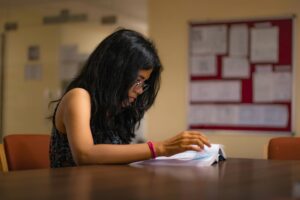
By 5:00 PM, lectures are over, but the work isn’t. The “self-directed study culture” is huge here. I usually head to the library or a quiet cafe. Unlike the MBBS in Italy fees which are quite low, the cost of books can add up, so the university’s digital library access is a blessing. Around 8:00 PM, I head home to cook dinner with my flatmates—this is when the Indian spices finally come out! We often end the night with a short walk or a quick catch-up with family back in India via video call.
Clinical Years (Year 3–6) — A Typical Day
Once you hit the third year, the environment shifts from the classroom to the hospital wards. This is when you start feeling like a real doctor.
Early Morning — Ward round prep
Clinical days start even earlier. By 7:30 AM, I am at the hospital. I spend the first 30 minutes reviewing the charts of the patients in my assigned ward. This prep time is essential so that when the senior consultants arrive, I am ready to answer questions about the patient’s progress or symptoms.
Morning — Hospital rotations at IRCCS Ca’ Granda – Ospedale Maggiore Policlinico
The University of Milan is affiliated with some of the best hospitals in Europe. Most of our rotations happen at the Policlinico, located right in the heart of the city. During rotations, we shadow residents and professors, observe surgeries, and learn how to take patient histories in Italian. It’s a steep learning curve, but seeing a theory from a textbook applied to a real person is incredibly rewarding. This hands-on exposure is a primary reason why MBBS in Italy is so highly regarded globally.
Afternoon — Departmental lectures
After a quick lunch, we usually have departmental lectures held within the hospital premises. These are highly specialized sessions—for example, during a Cardiology rotation, we might have a deep dive into EKG interpretation or echocardiography. These lectures are often more informal and conversational than the pre-clinical ones.
Evening — Case review, FMGE prep, social
Evenings during clinical years are a mix of reviewing the day’s cases and preparing for exams back home. Many Indian students start dedicated prep for the FMGE or NEXT exam during this time. We often form study groups to go over clinical signs and symptoms. However, we also make time to enjoy Milan. An “Aperitivo” with friends near the Navigli canals is the perfect way to unwind after a long day at the hospital.
Weekly Schedule — Pre-Clinical Year
The following table illustrates a typical weekly layout for a second-year student during the first semester.
| Day | Morning (08:30 – 12:30) | Afternoon (13:30 – 17:30) | Evening (18:00 – 22:00) |
|---|---|---|---|
| Monday | Human Physiology II | Italian Language Lab | Self-Study (Library) |
| Tuesday | Biochemistry | Anatomy Dissection/Model Lab | Gym / Physical Activity |
| Wednesday | Immunology | Clinical Case Seminar | Indian Student Community Meet |
| Thursday | Human Physiology II | Biochemistry Lab | FMGE Foundation Prep |
| Friday | Anatomy Lectures | Italian Culture & History | Social Gathering / Dinner Out |
| Saturday | Weekly Review / Catch-up | Grocery Shopping (Indian Stores) | Rest / Movie Night |
| Sunday | Personal Study | Meal Prep for the Week | Call Home / Relax |
Weekly Schedule — Clinical Year
In the clinical phase, the schedule becomes more fluid but remains intensive.
| Day | Morning (08:00 – 13:00) | Afternoon (14:00 – 17:00) | Evening (18:00 – Late) |
|---|---|---|---|
| Monday | Internal Medicine Ward Rotation | Pathology Seminar | Clinical Case Review |
| Tuesday | General Surgery (OR Observation) | Surgical Techniques Lecture | Library / Research Thesis |
| Wednesday | Pediatrics Ward Rotation | Pharmacology Seminar | Italian Conversation Group |
| Thursday | Emergency Room Shift (Shadowing) | Diagnostics & Imaging | FMGE / NEXT Prep |
| Friday | Obstetrics & Gynecology | Clinical Immunology | Aperitivo / Socializing |
| Saturday | Optional Hospital Shadowing | Study Group (Clinical Skills) | Explore Milan / Weekend Trip |
| Sunday | Rest | Academic Planning | Relaxation |
Academic Culture at University of Milan
One of the biggest hurdles for Indian students is the Italian oral exam system. In India, your grade is usually decided by a written paper. At UniMi, most final exams have a written “gatekeeper” test followed by an oral examination with a panel of professors. You sit across from the professor and explain a topic in detail. It’s intimidating at first, but it builds incredible confidence and communication skills—traits that are essential for any doctor.
The attendance policy is also quite strict; you are expected to attend at least 66% to 75% of your classes to be eligible for the exam. This ensures you are consistently engaged with the material. Transitioning from NEET’s multiple-choice logic to this comprehensive, explanatory style takes a few months, but once you adapt, you realize it makes you a much more rounded medical professional. You learn to speak like a doctor, not just think like a student.
Social Life in Milan as an MBBS Student
Milan is not all about medicine. The city is a hub for international students. Organizations like the Erasmus Student Network (ESN) organize frequent trips to places like Lake Como, Venice, or the Swiss Alps, which are all just a train ride away. For us Indians, there is a strong sense of community. We celebrate Diwali and Holi with great fervor, often renting out a space or gathering in parks like Parco Sempione.
The city’s “Aperitivo” culture is something every student loves. For about €10-€15, you get a drink and access to a massive buffet. It’s the ultimate budget-friendly social outing. Because of the cost of living in Italy, especially in Milan, students become very savvy at finding these deals. Living here teaches you independence, from managing your finances to navigating a foreign city’s transport system.
Mental Health & Wellbeing Support
Let’s be honest: medical school is hard, and being 6,000 miles away from home makes it harder. Homesickness is real, especially during the first year or when you’re stressed about exams. The University of Milan offers several support services, including counseling and psychological support for international students. These services are confidential and designed to help you cope with academic pressure and cultural adjustment.
Within the Indian community, we look out for each other. Whether it’s sharing a home-cooked meal when someone is feeling low or helping a junior with their Italy scholarships application, the bond is strong. The university also has a “Wellness” office that organizes sports events and stress-management workshops. Taking care of your mental health is as important as your grades, and the environment here encourages that balance.
FAQs
Is it difficult for Indian students to learn Italian for rotations?
While it requires effort, it’s not impossible. The university provides Italian language courses, and since you live in the city, you get daily practice. Most Indian students reach the required B2 level by the end of their second year through consistent practice.
Can I work part-time while studying MBBS in Milan?
Legally, your student visa allows you to work up to 20 hours per week. However, the medical curriculum is very demanding. Most students prefer to focus on their studies or work during the summer breaks to avoid academic burnout.
How do Indian students manage food in Milan?
Milan has several Indian grocery stores where you can find everything from dal and basmati rice to specific spices. Many students cook at home to save money and enjoy the university canteens for lunch, which offer a variety of healthy Mediterranean options.
What is the typical class size at the International Medical School?
The class size is relatively small, usually around 50 to 60 students. This includes a mix of EU and non-EU (international) students, creating a diverse and intimate learning environment where professors actually know your name.
Are the hospitals in Milan modern compared to India?
The teaching hospitals in Milan, like the Policlinico, are world-class research centers. They use the latest medical technology and follow advanced European protocols. The experience you gain here is at the forefront of modern medicine.
What happens if I fail an oral exam?
In Italy, if you fail an exam or are not happy with your grade, you can usually retake it during the next exam session. There are several “appelli” (exam dates) throughout the year, offering more flexibility than the Indian university system.
How do Indian students handle the cold weather in Milan?
Milan can get quite cold in the winter, with temperatures dropping near zero. However, all buildings are centrally heated. Indian students quickly learn to “layer up” with good quality winter jackets and thermal wear, which are easily available in Milan’s many shops.
Want to Experience Life at Milan?
The journey to becoming a doctor at the University of Milan is as challenging as it is beautiful. It’s a path that offers not just a medical degree, but a global perspective and a life-changing experience in one of the world’s most iconic cities. If you have questions about the application process, the IMAT, or how to secure your spot in this prestigious program, we are here to help.
At the Indian Students Community (ISC), we specialize in helping students like you navigate the transition from India to Italy. From visa guidance to choosing the right universities, our team of experts provides the support you need to succeed. Don’t let the paperwork stand in the way of your dreams. Reach out to us today for a personalized consultation.
Contact us today for a free consultation and start your journey to Milan!