A Day in the Life of an MBBS Student at University of Pavia: Real Indian Student Experience
Studying medicine in Italy is a dream for many, but what is the actual MBBS student life University of Pavia Pavia daily routine like? As an Indian student currently navigating the historic corridors of one of Europe’s oldest medical schools, I can tell you that it is a unique blend of centuries-old tradition and cutting-edge clinical practice. Founded in 1361, the University of Pavia offers the Harvey Medicine and Surgery course, the first of its kind in Italy to be taught entirely in English. From intense morning lectures to ward rounds at the world-class IRCCS Policlinico San Matteo, every day is a step toward becoming a globally recognized physician. If you are preparing for the IMAT exam, understanding this routine is essential to envisioning your future here.
First Impressions — What Indian Students Really Say About University of Pavia
For most Indian students, the first thing that stands out is that Pavia is a “city-campus.” Unlike the massive, gated universities in India, the entire city of Pavia serves as the campus. You might have a lecture in a medieval building and then walk ten minutes through cobblestone streets to a modern laboratory. The city is small, safe, and incredibly student-centric, with about 24,000 students in a population of 70,000.
Indian students often comment on the following:
- The International Community: While the majority of students are Italian, the English-taught Harvey course attracts a diverse cohort from across the globe, including a growing and supportive Indian community.
- Academic Prestige: Being part of a university ranked among the top in Italy and the world (QS #407) carries a significant weight, especially when discussing future career prospects in the EU or back home.
- Cost vs. Quality: Compared to private medical colleges in India, the tuition fees are remarkably affordable, especially when paired with scholarships in Italy like EDiSU.
Pre-Clinical Years (Year 1–3) — A Typical Day
The pre-clinical phase is all about building a rock-solid foundation. In Pavia, the first year even includes a “pre-term” month to help international students bridge the gap in subjects like Chemistry and Physics.
07:00–12:00 — Morning Lectures (Anatomy, Physiology, Biochemistry)
The day usually starts early. Most of us grab a quick espresso or tea at home before heading to the lecture halls. Morning sessions are intensive. You aren’t just memorizing facts; the focus is on the molecular and scientific foundations of medicine. Subjects like Human Anatomy and Biochemistry are the heavyweights here. The teaching style is academic and rigorous, preparing you for the challenging oral exams that are a staple of the Italian system.
12:00–14:00 — Lunch Break (canteen, piazza, or home cooking)
Lunch is the social highlight of the day. Many Indian students take advantage of the EDiSU scholarship, which often includes one or two free meals a day at the university canteens (Mensa). If you’re craving home-cooked food, Pavia has several well-budgeted supermarkets and even stores where you can find essential Indian spices and lentils. Sitting in a sun-drenched piazza with friends is the perfect way to recharge.
14:00–17:00 — Lab Practicals / Seminars
Afternoons are often reserved for practical application. This includes Histology labs using high-resolution microscopy or seminars on the “Social Roots of Health.” For first-year students, there are also “First Contact with Patients” sessions, which are rare in many other international programs so early in the curriculum.
17:00–22:00 — Self-Study, Library, Social Time
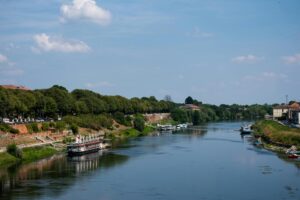
In Italy, self-directed learning is key. After classes, we head to one of the many beautiful libraries scattered across the city. The central university library is a masterpiece of historical architecture, but there are also modern, well-stocked hubs. By 19:00, it’s time to unwind. Whether it’s a quick football match at the CUS sports complex or a walk along the Ticino river, balancing study with social life is vital.
Clinical Years (Year 3–6) — A Typical Day at IRCCS Policlinico San Matteo
The transition to the clinical years is where the “real” doctoring begins. From Year 3 onwards, your “office” shifts to the hospital.
06:30–08:00 — Ward Round Preparation
The clinical day starts even earlier. By the time the sun is rising, students are already at the IRCCS Policlinico San Matteo. You’ll be assigned to a specific department—perhaps Cardiology or General Surgery—and you need to be familiar with the patient cases before the senior consultants arrive.
08:00–13:00 — Clinical Rotations / Bedside Teaching
This is the core of MBBS in Pavia. You are part of the medical team. You’ll participate in bedside teaching, observe surgeries, and learn how to conduct physical examinations on real patients. Because Pavia is a major referral center for Northern Italy, the variety of pathologies you see is immense.
13:00–15:00 — Departmental Lecture or Case Discussion
After a quick hospital cafeteria lunch, we often have specialized lectures within the department. These are highly practical, focusing on diagnostic imaging, treatment protocols, and the latest clinical research. It’s a very different vibe from the large pre-clinical lecture halls—it’s much more interactive and professional.
15:00–22:00 — Case Review, FMGE Prep, Social
The work doesn’t end when you leave the hospital. Many Indian students start their FMGE/NExT preparation during these years to ensure they are ready to practice in India after graduation. Evening time is also for working on your thesis—a mandatory research project that every Italian medical student must complete to graduate.
Weekly Schedule — Pre-Clinical Year
| Day | Morning (08:30-12:30) | Afternoon (14:00-17:00) | Evening (18:00-22:00) |
|---|---|---|---|
| Mon | Human Anatomy I | Chemistry Lab | Library – Self Study |
| Tue | Medical Physics | Italian Language Class | Gym / Social Time |
| Wed | Biochemistry I | Histology Practical | Group Study Session |
| Thu | Biology & Genetics | Early Clinical Seminar | Free Time / City Walk |
| Fri | Scientific Foundations | Review Session | Indian Student Meetup |
| Sat | Revision | Personal Chores | Cinema / Relaxation |
| Sun | Rest | Meal Prep | Weekly Planning |
Weekly Schedule — Clinical Year
| Day | Morning (08:00-13:00) | Afternoon (14:30-17:30) | Evening (18:00-22:00) |
|---|---|---|---|
| Mon | Surgery Rotation | Systemic Pathology Lecture | Thesis Research |
| Tue | Internal Medicine Ward | Pharmacology Seminar | FMGE/NExT Prep |
| Wed | Cardiology Clinic | Radiology Discussion | Library Study |
| Thu | Pediatrics Rotation | Medical Ethics Seminar | Social / Aperitivo |
| Fri | Emergency Medicine | Clinical Case Review | Home Cooking / Relax |
| Sat | Hospital Duty (Optional) | Thesis Writing | Weekend Social |
| Sun | Rest | Rest | Self-Study |
Academic Culture at University of Pavia — What Surprises Indian Students
The Italian medical education system is quite different from the Indian one, and several things might surprise you:
- Oral Exam Tradition: Unlike the MCQ-heavy exams in India, most Italian medical exams are oral. You sit face-to-face with a professor and discuss a topic in-depth. It tests your confidence and your ability to communicate complex medical concepts—skills that are essential for a doctor.
- No MCQ “Crutch”: While some exams have a written component, the final grade is almost always determined by the oral interview. This requires a much deeper, conceptual understanding of the subject.
- Attendance Expectations: The university takes attendance seriously. You are expected to be present for at least 75% of your classes and 100% of your clinical rotations.
- Self-Directed Learning: Professors are there to guide you, but you are responsible for your own learning. There is a high emphasis on using medical journals and independent research.
Social Life in Pavia as an MBBS Student
It’s not all work and no play! Life in Pavia is vibrant. The Indian student group is very active, often organizing Diwali and Holi celebrations that bring a piece of home to Italy. You will also find yourself part of the Erasmus Student Network (ESN), which organizes trips to nearby Milan, the Italian Alps, and coastal cities like Genoa.
Pavia is famous for its “Movida”—the evening social scene where students gather in the piazzas for an aperitivo. It’s a great way to practice your Italian and make friends with local students. For sports enthusiasts, the CUS (Centro Universitario Sportivo) offers everything from rowing on the Ticino to fencing and basketball.
Mental Health & Wellbeing
Moving to a new country and tackling a difficult degree like MBBS can be stressful. Homesickness and exam pressure are real challenges. However, the University of Pavia provides excellent support:
- Psychological Counseling: The university offers a dedicated, free psychological counseling service in both Italian and English for students facing stress or anxiety.
- Indian Community Support: Senior Indian students are incredibly helpful. Whether you need advice on your Italy student visa or tips for the best local grocery store, the community is there for you.
- Low Cost of Living: Financial stress is minimized because Pavia is much more affordable than major hubs like Milan or Rome, allowing you to focus on your studies.
FAQs
What is the language of instruction at the University of Pavia?
The Harvey Medicine and Surgery course is taught entirely in English. however, you will need to learn basic Italian (usually reaching B1/B2 level by Year 3) to communicate with patients during clinical rotations.
Is the University of Pavia degree recognized in India?
Yes, the degree is recognized globally. After graduation, Indian students must clear the FMGE (or the upcoming NExT exam) to practice medicine in India, following the standard NMC guidelines for all foreign medical graduates.
How difficult is the IMAT for University of Pavia?
Pavia is one of the most popular choices for international students, so the competition is high. You typically need a strong score to secure a spot in the non-EU category.
What is the teaching hospital for Pavia medical students?
The primary teaching hospital is the IRCCS Policlinico San Matteo, one of Italy’s leading research and clinical centers, located right in the city.
Are there Indian food options in Pavia?
While there aren’t dozens of Indian restaurants, there are several international grocery stores where you can find all the necessary ingredients to cook Indian meals at home. Most Indian students cook together in their shared apartments.
Can I work part-time while studying MBBS in Pavia?
Legally, your student visa allows you to work up to 20 hours per week. However, due to the rigorous nature of the medical curriculum, most students find it difficult to maintain a regular job and focus on their studies simultaneously.
Want This Life? Apply to Pavia MBBS
Ready to start your medical journey at one of the world’s most historic universities? Our experts can help you with everything from IMAT preparation to your visa application and finding accommodation. Contact us today for a free consultation!