Cost of Living in Pisa for Indian Students: Monthly Budget Breakdown 2026
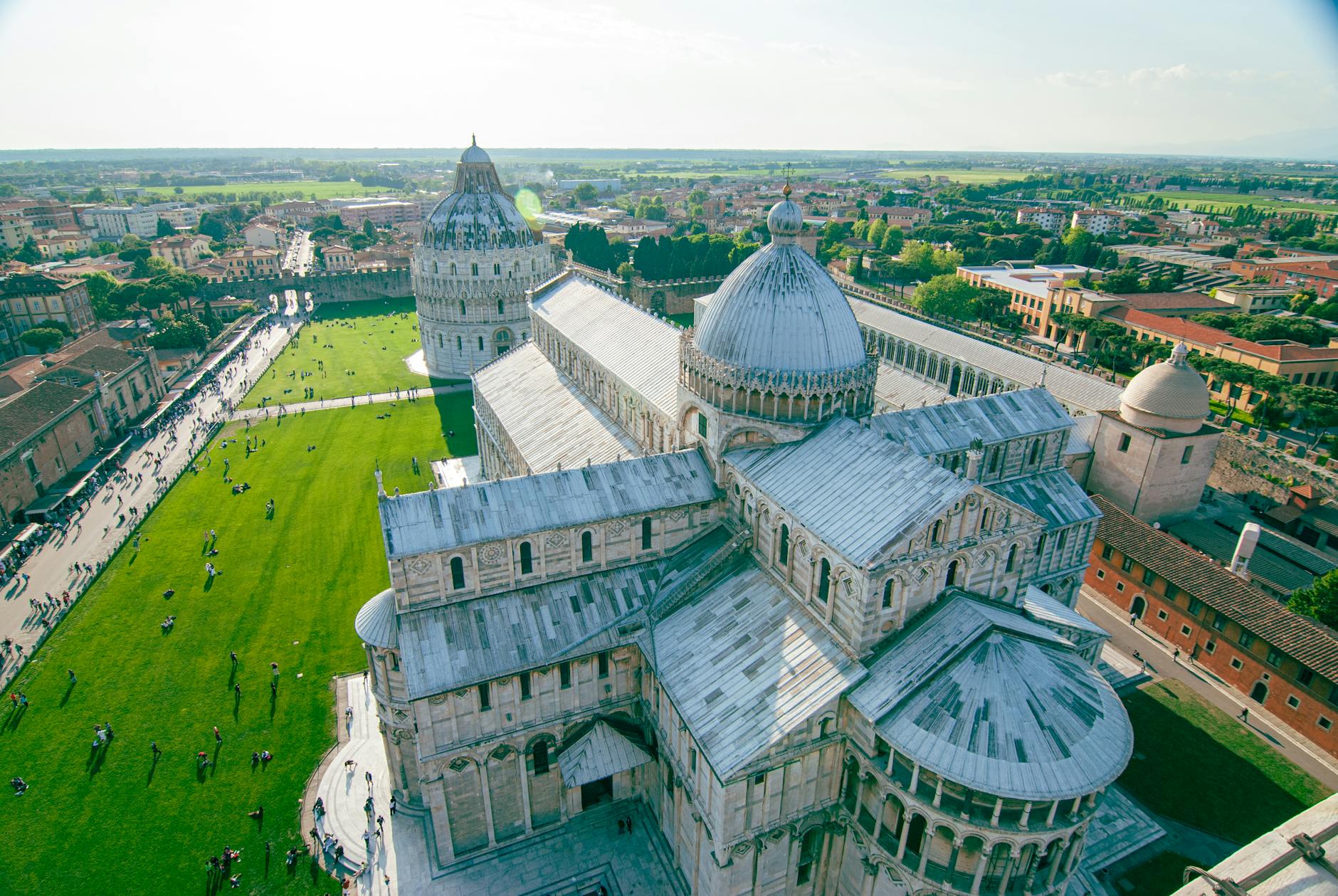
Planning to study at the historic University of Pisa? For many Indian families, the primary concern after securing admission is the cost of living in Pisa for Indian students. Known globally as the home of Galileo Galilei and the iconic Leaning Tower, Pisa is much more than a tourist destination; it is a vibrant university city that offers a high quality of education at a fraction of the price found in Milan or Rome. In this guide, we break down every expense—from shared apartments to grocery bills—to help you plan your journey to Italy in 2026.
Why Indian Students Choose Pisa
Pisa strikes an ideal balance between a charming, small-town atmosphere and the academic rigor of a world-class institution. The University of Pisa, ranked #328 in the QS World University Rankings, is particularly renowned as Italy’s top university for Aerospace and Robotics engineering. This makes it a magnet for Indian students looking for a Pisa engineering guide that leads to high-growth EU careers.
Beyond academics, the city is incredibly student-friendly. Nearly half the population is composed of students, meaning the local economy is geared toward affordability. Whether you are following a Pisa MBBS guide or pursuing a Master’s degree, you will find that Pisa offers an iconic cultural setting where history meets modern innovation.
Complete Monthly Cost Breakdown 2026
Understanding the budget is the first step toward a successful student visa guide application, as you must show proof of financial means. Here is a realistic breakdown of monthly expenses for a student in Pisa for the 2026 academic year.
| Category | Budget Option (EUR) | Budget (INR) | Comfortable (EUR) | Comfortable (INR) |
|---|---|---|---|---|
| Accommodation | €300 | ₹27,000 | €550 | ₹49,500 |
| Food & Groceries | €200 | ₹18,000 | €300 | ₹27,000 |
| Transport | €25 | ₹2,250 | €45 | ₹4,050 |
| Utilities | €80 | ₹7,200 | €150 | ₹13,500 |
| Mobile/Internet | €15 | ₹1,350 | €30 | ₹2,700 |
| Health Insurance | €15 | ₹1,350 | €15 | ₹1,350 |
| Entertainment | €50 | ₹4,500 | €120 | ₹10,800 |
| Miscellaneous | €40 | ₹3,600 | €80 | ₹7,200 |
| TOTAL MONTHLY | €725 | ₹65,250 | €1,290 | ₹116,100 |
Note: Conversion rate used is 1 EUR = 90 INR. Actual rates may fluctuate.
Accommodation in Pisa — Options & Costs
Housing will be your largest monthly expense. However, compared to other major Italian cities, Pisa remains highly accessible for those on Italy scholarships.
EDiSU/DSU University Residence
The DSU Toscana (Azienda Regionale per il Diritto allo Studio Universitario della Toscana) manages student housing and canteens. These residences are the most affordable option, often costing between €200 and €350 per month. However, they are highly competitive and primarily awarded based on financial need (ISEE) and academic merit.
Shared Apartment
This is the most common choice for Indian students. Renting a single room in a shared flat typically costs between €300 and €450. If you are looking to save more, a double room (shared with one other student) can drop your rent to approximately €200–€280. Neighborhoods like San Giusto and Santa Maria are popular due to their proximity to the university and the train station.
Private Studio
For students who prefer privacy, a studio apartment (monolocale) in Pisa starts at around €500–€750 per month. These are often located in the city center or near the San Francesco area. While more expensive, they offer a quiet environment for intensive study.
Recommended Platforms: To find housing, use reliable portals such as Immobiliare.it, Idealista, and HousingAnywhere. Many students also find great deals through verified Facebook groups dedicated to Pisa student rentals.
Food & Groceries for Indian Students in Pisa
Eating well in Italy doesn’t have to be expensive. The University of Pisa offers several canteens (mensa) where a full meal costs between €2 and €5 depending on your scholarship status. For those who enjoy cooking, groceries are quite affordable.
- Indian Groceries: While Pisa is small, there are several “Alimentari” and international stores near the Pisa Centrale station that stock essential Indian spices, basmati rice, and lentils.
- Budget Supermarkets: For daily essentials, Lidl, Eurospin, and Penny Market offer the best prices. Conad and Esselunga provide a wider variety but at a slightly higher price point.
- Eating Out: A quick pizza and a drink will cost about €15, while a meal at a mid-range restaurant costs roughly €25–€35 per person.
Transport in Pisa
Pisa is an incredibly compact and pedestrian-friendly city. Most students find that they rarely need public transport within the city itself.
- Cycling: This is the preferred mode of transport for students. Buying a second-hand bike for €50–€80 can virtually eliminate your daily transport costs.
- Bus Pass: A monthly student pass costs approximately €25 and covers all urban routes.
- Trains: Pisa is a major rail hub. If you plan to explore cost of living in Italy by visiting nearby cities like Florence or Lucca, regional trains are affordable and frequent.
Top 6 Money-Saving Tips for Indian Students in Pisa
- Apply for DSU Scholarships: This is the single best way to reduce costs. It can cover housing and provide free meals at the university canteen.
- Get a “Carta Unica Toscana”: This student card offers discounts on transport, museums, and even some local shops.
- Cook in Batches: Avoid eating out during the weekdays. Preparing Indian meals at home is significantly cheaper than Italian takeaway.
- Use the University Libraries: Instead of buying expensive textbooks, utilize the extensive library system at the University of Pisa.
- Shop at Local Markets: Buying fresh produce from open-air markets is often cheaper and fresher than supermarkets.
- Travel on Regional Trains: Avoid high-speed Frecciarossa trains unless booked weeks in advance; Regionale trains are much cheaper for weekend trips.
Part-Time Work — Earning While Studying
Indian students in Italy on a Type-D visa are legally allowed to work up to 20 hours per week. In Pisa, the average wage for student jobs ranges from €9 to €12 per hour. Typical opportunities include:
- On-Campus Collaborations: The university offers “150-hour” part-time roles in libraries and administrative offices with a fixed rate of €7.75/hr.
- Hospitality: Working as a waiter or kitchen assistant in local cafes and trattorias.
- Tutoring: Teaching English or STEM subjects to local Italian school students (private lessons can pay up to €20/hr).
Pisa vs Other Italian Cities — Cost Comparison
Choosing Pisa over northern hubs can save your family a significant amount of money annually.
| City | Shared Rent (EUR/mo) | Food (EUR/mo) | Transport (Pass) | Total Estimate (EUR) | Total (INR) |
|---|---|---|---|---|---|
| Pisa | €350 | €200 | €25 | €850 | ₹76,500 |
| Milan | €650 | €300 | €22 | €1,400 | ₹126,000 |
| Rome | €500 | €250 | €35 | €1,100 | ₹99,000 |
| Bologna | €450 | €250 | €30 | €1,000 | ₹90,000 |
FAQs
1. Is Pisa expensive for Indian students?
No, compared to Milan, Rome, or Florence, Pisa is considered very affordable. The large student population ensures that housing and food prices remain competitive.
2. Can I live in Pisa on €700 a month?
Yes, if you secure a shared room and utilize the university canteen or cook at home, €700–€800 is a very realistic budget for a student.
3. Are there Indian grocery stores in Pisa?
Yes, there are several international stores near the central station (Pisa Centrale) that sell Indian spices, lentils, and basmati rice.
4. Do I need to speak Italian to find a part-time job?
While some basic Italian is helpful for hospitality jobs, you can find English-speaking roles in tutoring or on-campus university services.
5. How much is the tuition fee at the University of Pisa?
Fees range from €200 to €3,000 per year, but many Indian students pay the minimum amount based on their family’s income documents (ISEE).
6. Is it easy to find a room in Pisa?
It is best to start looking at least 2–3 months before your arrival. The market is busy in September and February when semesters begin.
Ready to Study in Pisa?
Moving to a new country is a massive step. If you need personalized help with your university application, DSU scholarship filing, or the visa process, we are here to help. Book a free consultation with our expert counselors today to start your journey to the University of Pisa!