Clinical Training at University of Rome Tor Vergata: Teaching Hospital, Rotations & Patient Exposure
For Indian students and parents evaluating medical education abroad, the quality of hospital exposure is the single most important factor. The University of Rome Tor Vergata clinical training MBBS teaching hospital experience stands out as one of the most robust in Europe. Unlike many programs that keep students in lecture halls for years, Tor Vergata integrates clinical practice from the very first year, providing a seamless transition from medical theory to bedside care at the state-of-the-art Policlinico Tor Vergata.
Understanding the structure of MBBS in Rome TV is essential for Indian applicants who are accustomed to the MCI/NMC regulated rotation system in India. This guide breaks down how clinical years are organized, the prestige of the teaching hospital, and how this training prepares graduates for the MBBS in Italy journey and international licensing exams like the FMGE or NExT.
Clinical Training Structure at University of Rome Tor Vergata
The 6-year single-cycle Master’s degree at Tor Vergata is designed to produce “physician-scientists.” The curriculum is divided into two distinct but overlapping phases. While the focus shifts heavily toward hospitals in the later years, the university maintains a “bedside-to-bench-to-bedside” philosophy that ensures clinical context is never lost.
Pre-clinical Phase (Years 1–3)
The first two years focus on building a robust foundation in basic sciences such as Human Anatomy, Biochemistry, and Physiology. However, unique to Tor Vergata, students begin “Clinical Practice I” modules as early as the second semester of Year 1. These early internships, totaling roughly 1,000 hours over the first three years, allow students to observe hospital operations and learn basic nursing skills long before their peers in other Italian cities.
Clinical Phase (Years 3–6)
From the third year onwards, the program shifts into full-scale clinical training. Students move from the “Viale Cambridge” campus buildings to the wards of the Policlinico. The final three years are almost entirely dedicated to specialized medical disciplines, surgical rotations, and the development of the final research thesis. By the time an Indian student reaches Year 6, they are leading patient care activities under the supervision of senior residents and professors.
Teaching Hospital — Policlinico Tor Vergata (PTV)
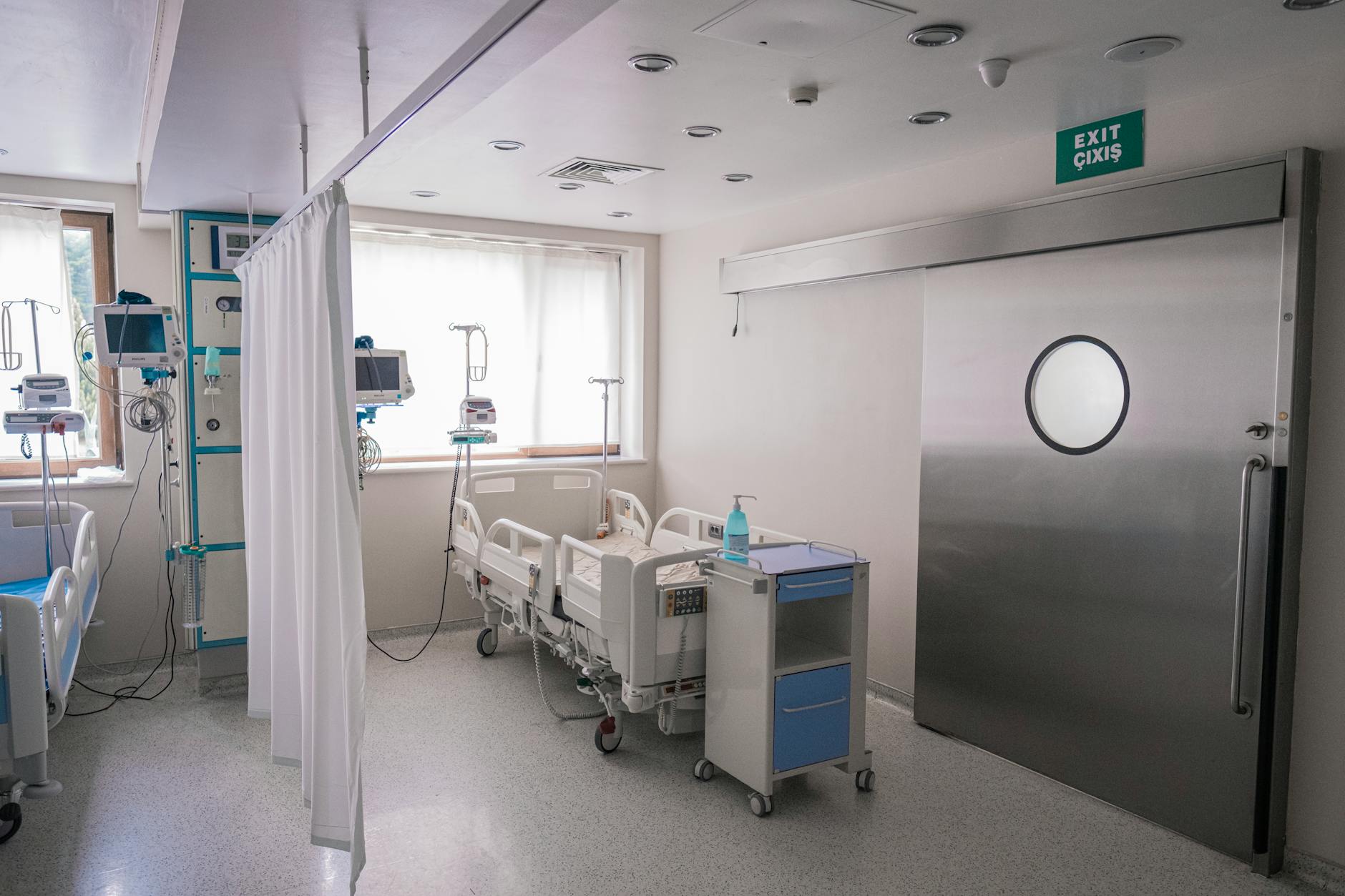
The heart of medical education at this university is the Policlinico Tor Vergata. It is not just a hospital; it is a research-intensive hub that serves the entire Lazio region of Rome. For Indian students, training here means access to a patient volume and variety that mirrors top-tier government hospitals in India, but with European-standard infrastructure.
- Capacity and Scope: PTV is a massive 600-bed facility equipped with the latest medical technology, including advanced simulation centers and robotic surgery units.
- Specialized Care: It is a regional center of excellence for Emergency Medicine, Cardiology, and Oncology. The hospital features an ISO 9001 certified continuous care oncology unit, providing integrated palliative and medical care.
- Location: Situated in the South-eastern suburb of Rome, it is the cornerstone of healthcare for the local community, ensuring students see a diverse range of pathologies from routine internal medicine to complex rare neurological disorders like CIDP.
- Reputation: The hospital is known for its “American-style” campus layout and its high ranking in scientific research, often cited among the best in Italy for clinical outcomes.
Year-by-Year Rotation Schedule
The clinical rotations at Tor Vergata are structured to ensure progressive responsibility. Students are required to complete 60 ECTS (European Credit Transfer System) specifically for vocational training, which translates to approximately 1,500 hours of hospital work.
| Year | Phase | Rotation/Department | Duration (ECTS/Hours) | Key Skills |
|---|---|---|---|---|
| Year 3 | Introductory Clinical | Internal Medicine I, General Surgery I, Clinical Skills Lab | 4–10 ECTS (170+ Hours) | History taking, physical examination, basic diagnostic reasoning. |
| Year 4 | Core Specialties | Neurology, Psychiatry, Ob-Gyn, Orthopedics, Urology | ~10 ECTS (170+ Hours) | Managing system-specific pathologies, assisting in specialist clinics. |
| Year 5 | Advanced Practice | Cardiology, Oncology, Pediatrics, Emergency Medicine | 17 ECTS (289 Hours) | Acute care management, therapeutic decision-making, patient monitoring. |
| Year 6 | Electives & Thesis | Family Medicine, Lead Patient Care, Thesis Research | 29 ECTS (490+ Hours) | Leading patient care rounds, advanced diagnostics, scientific research. |
Specialties Covered
The University of Rome Tor Vergata clinical training MBBS teaching hospital ensures that Indian students rotate through every major medical and surgical specialty required for global practice. The rotation schedule includes:
- Internal Medicine & Cardiology: Deep focus on chronic disease management and cardiovascular dilemmas, including heart valve pathology and hybrid revascularization.
- Surgery: General, Thoracic, Vascular, and Plastic surgery. Students observe complex cases and participate in theoretical-to-practical workshops.
- Emergency & Critical Care: Intensive rotations in the ER, learning emergency response and life-saving interventions.
- Oncology & Hematology: Training in multidisciplinary cancer care, biological therapies, and innovative therapeutic protocols.
- Neurology & Psychiatry: Exposure to neuroinflammatory disorders and psychiatric evaluations.
Language in the Clinical Setting
While the MBBS in Italy fees cover an English-taught curriculum, the clinical setting requires a dual-language approach. All lectures, exams, and departmental meetings are in English. However, since the patients in Rome are local Italians, the university provides free Italian language courses.
For Indian students, reaching a B2 level of Italian by the 4th year is a mandatory requirement. This is not just a hurdle; it is a vital skill. Communicating directly with patients in Italian allows students to build rapport and perform thorough examinations, which is essential for passing clinical exams. Most Indian students find the transition smooth, as medical terminology often shares Latin roots with English.
Research Opportunities
A distinctive feature of the Tor Vergata experience is the emphasis on research. The university hosts five departments covering all aspects of human health. Students are encouraged to join research labs as early as the pre-clinical years. The Year 6 research thesis is a major undertaking where students work alongside professors on publications and regional health research in Lazio, Rome. For those looking to practice in the USA or UK later, having published research from a top Italian university is a significant competitive advantage.
University of Rome Tor Vergata Clinical Training vs Indian Medical Colleges
Indian parents often worry about how European training compares to the high-volume clinical exposure in India. The following table provides a comparison based on the Tor Vergata model.
| Factor | Tor Vergata (Lazio, Rome) | Top Govt India (AIIMS/MAMC) | Average Private India |
|---|---|---|---|
| Patient Volume | High (Regional Referral Center) | Very High/Overcrowded | Moderate to High |
| Technology/Equipment | State-of-the-art / Robotic Surgery | Advanced / Variable | Modern / Basic |
| Student-to-Patient Ratio | Low (Small classes of 50) | High | High |
| Early Exposure | Year 1 (Second Semester) | Year 3 (Clinical Postings) | Year 3 |
| Research Focus | Integrative / Mandatory Thesis | High but Optional | Minimal |
FMGE/NExT Readiness from University of Rome Tor Vergata
For Indian students, clinical training is the foundation for passing the Foreign Medical Graduate Examination (FMGE) or the upcoming NExT exam. The clinical training at Tor Vergata is highly compatible with the requirements of the National Medical Commission (NMC). The hands-on experience at PTV, combined with the rigorous IMAT exam entry standards, ensures that students develop the diagnostic reasoning needed for clinical-based MCQ exams. Graduates from Tor Vergata have a strong track record of transitioning into residency programs both in India and across Europe.
A Realistic Clinical Year Day at Tor Vergata
A typical day for a clinical-year student in Rome starts early. At 8:00 AM, you are at the Policlinico for ward rounds with your supervisor. You might spend the morning observing a cardiac surgery or assisting in the outpatient oncology unit. Lunch is often spent at the “American-style” campus cafeteria. The afternoons are dedicated to specialized lectures or simulation lab practice, where you use high-fidelity mannequins to practice emergency scenarios. Evenings are for studying and Italian language practice, with weekends free to explore the cost of living Italy lifestyle and the historic streets of Rome.
FAQs
How early do clinical rotations start at Tor Vergata?
Unlike most universities, clinical exposure starts in the second semester of the first year through “Clinical Practice I” modules, focusing on basic hospital orientation and nursing skills.
Is the medical degree from Tor Vergata recognized in India?
Yes, the University of Rome Tor Vergata is a recognized public institution. Graduates are eligible to sit for the FMGE/NExT exam to practice medicine in India, provided they follow NMC guidelines.
Do I need to know Italian to study at Tor Vergata?
The course is taught 100% in English. However, you must learn Italian for clinical rotations to communicate with patients. The university provides free language courses for this purpose.
Which hospital is used for clinical training?
The primary teaching hospital is the Policlinico Tor Vergata (PTV), a 600-bed state-of-the-art facility located on the campus. The university also has partnerships with other Rome hospitals like San Giovanni Addolorata.
Are there international rotation opportunities?
Yes, Tor Vergata has exclusive partnerships, such as a scholarship opportunity for a 4-week clinical rotation at George Washington University in the USA for 6th-year students.
How large are the clinical classes?
Tor Vergata maintains small class sizes, typically around 50 students (EU and Non-EU combined), which ensures better interaction with professors and more hands-on time in the wards.
What is the Saharawi-Tor Vergata Initiative?
It is a unique humanitarian program that offers students medical experience in refugee camps in Algeria, providing an unparalleled perspective on global health.
Apply to Tor Vergata MBBS — Guidance Available
Navigating the Italy student visa process and the scholarships in Italy application (like LazioDisco) requires expert guidance. Our team specializes in helping Indian students secure seats at prestigious institutions like the University of Rome Tor Vergata.
Ready to start your medical journey in Rome? Contact us today for a personalized consultation on IMAT preparation, document legalization, and clinical training pathways.