Clinical Training at University of Milan-Bicocca: Teaching Hospital, Rotations & Patient Exposure
For Indian students and parents evaluating medical education abroad, the quality of hospital experience is the most critical factor. The University of Milan-Bicocca clinical training MBBS teaching hospital network offers one of the most advanced medical ecosystems in Europe. Unlike traditional models, Bicocca integrates clinical practice early, ensuring that students are not just learning from textbooks but are active participants in patient care within the Lombardy region, which is renowned for having the highest healthcare standards in Italy.
This guide explores how the University of Milan-Bicocca (Bicocca) prepares Indian students for global medical careers through its primary teaching hospital, ASST Monza – Ospedale San Gerardo, and its unique pedagogical approach. Whether you are aiming for the IMAT exam or planning your MBBS in Italy fees budget, understanding the clinical phase is essential for long-term success.
Clinical Training Structure at University of Milan-Bicocca
The School of Medicine and Surgery (SMS) at Bicocca follows a Single Cycle Master’s degree structure spanning six years. The curriculum is designed to bridge the gap between basic sciences and bedside medicine through two distinct phases:
Pre-clinical Phase (Years 1–3)
While the first two years focus on foundational subjects like Anatomy, Physiology, and Biochemistry, Bicocca introduces clinical concepts through Problem-Based Learning (PBL). Students work in small groups to solve clinical cases, connecting theoretical knowledge to real-world diagnosis from day one. Hands-on skills training, such as suturing and CPR, begins in specialized labs before students enter the wards.
Clinical Phase (Years 3–6)
The intensive clinical phase officially begins in the second semester of Year 3. Students transition into the hospital environment for professionalizing internships. This phase is characterized by “Vertical Tracks,” where clinical rotations are synchronized with the theoretical modules being studied, ensuring a comprehensive understanding of each organ system.
Teaching Hospital — ASST Monza – Ospedale San Gerardo
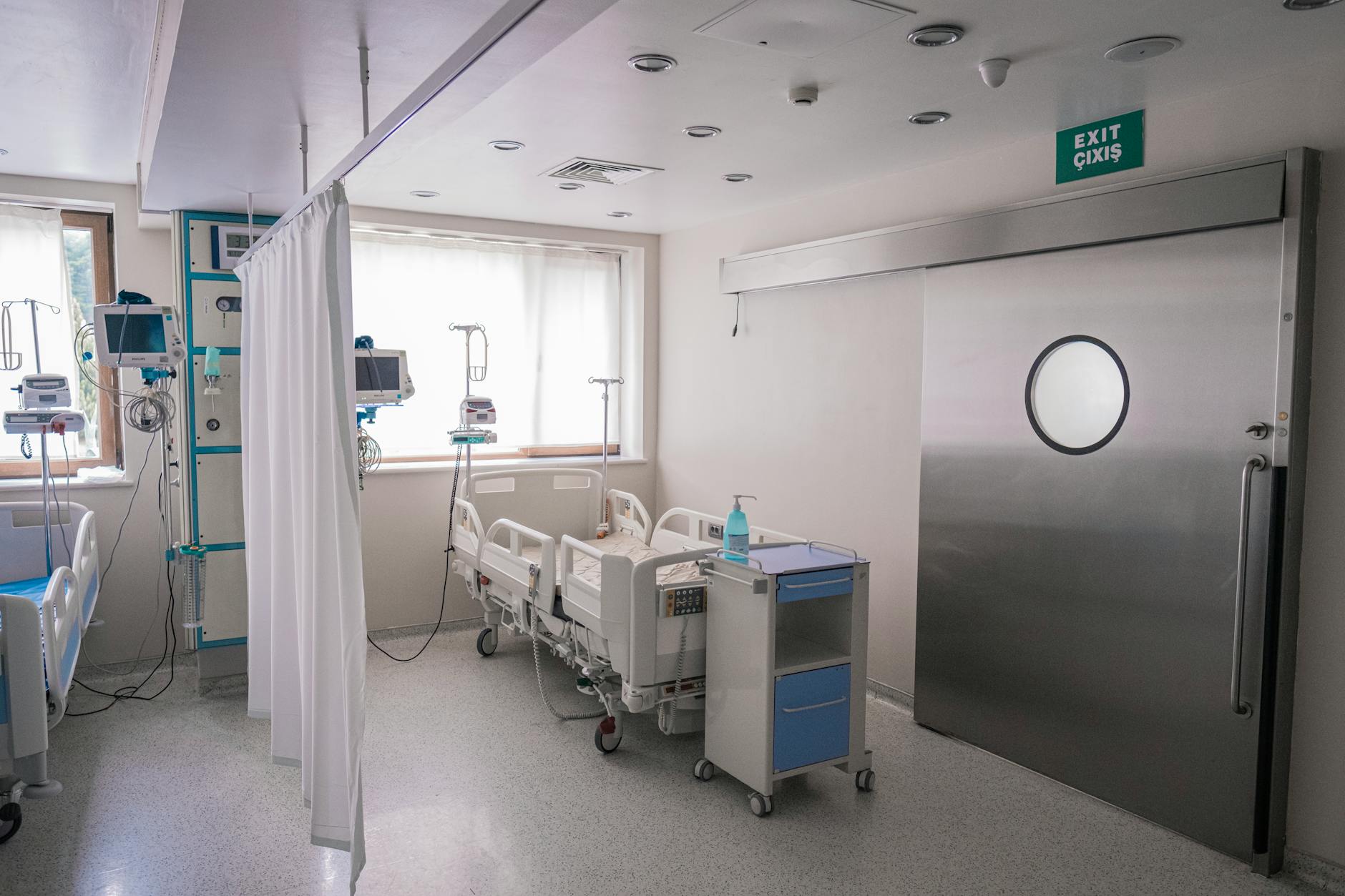
The crown jewel of the University of Milan-Bicocca clinical training MBBS teaching hospital experience is the Ospedale San Gerardo in Monza. As a primary teaching facility, it serves as a massive hub for both acute care and advanced medical research.
- Location & Scale: Located in Monza, just North of Milan, it is one of the largest hospitals in the Lombardy region. The facility recently opened “Sector B,” a massive 11-story expansion that has modernized its infrastructure.
- Bed Capacity & Specialties: With over 800 beds, the hospital houses specialized departments ranging from Neurosurgery and Cardiology to a world-renowned Center for Rare Diseases.
- Research Reputation: San Gerardo is recognized as an IRCCS (Istituto di Ricovero e Cura a Carattere Scientifico), meaning it is a national center of excellence for clinical research, particularly in hematology and pediatrics.
- Indian Student Benefit: Students benefit from a high patient inflow and exposure to cutting-edge medical technologies, including robotics and advanced imaging, which are often unavailable in average private medical colleges in India.
Year-by-Year Rotation Schedule
The clinical rotations at Bicocca are structured to ensure that students master basic clinical skills before moving into specialized surgery and emergency medicine.
| Year | Phase | Rotation/Department | Duration | Key Skills |
|---|---|---|---|---|
| Year 3 | Introductory Clinical | Internal Medicine, General Surgery, Semiotics | 4–8 Weeks | Patient history taking, physical examination, basic diagnostics. |
| Year 4 | Core Clinical | Cardiology, Respiratory System, Onco-Hematology | 12 Weeks | Interpreting EKGs, managing chronic conditions, oncology protocols. |
| Year 5 | Advanced Clinical | Paediatrics, Ob-Gyn, Neurology, Psychiatry | 16 Weeks | Maternal care, neonatal health, psychiatric evaluation, stroke management. |
| Year 6 | Electives & Thesis | Emergency Medicine, GP Clerkship, Chosen Specialty | 20+ Weeks | Acute care, family medicine, final clinical thesis research. |
Specialties Covered
Indian students at Bicocca rotate through a comprehensive list of departments that align perfectly with the requirements of the National Medical Commission (NMC) in India. This ensures that when students return for the FMGE or NExT exam, they have covered all essential medical branches:
- Internal Medicine: Focus on multi-system diseases and geriatric care.
- General Surgery: Exposure to operating theater protocols and post-operative care.
- Paediatrics & Ob-Gyn: Intensive training at the specialized Maternal-Infantile departments.
- Emergency & Cardiology: Hands-on experience in the high-pressure environment of the Monza trauma team.
- Neurology & Oncology: Access to state-of-the-art research labs and innovative treatment pathways.
Language in the Clinical Setting
While the entire MBBS program is taught in English, the clinical years introduce a unique linguistic dynamic. Interaction with patients in the wards of Monza and Bergamo is conducted in Italian.
The University provides Italian language courses to ensure students are proficient by the time they reach Year 3. For Indian students, learning Italian is not just a requirement but a clinical tool that allows for empathetic patient care and better integration into the local medical community. In departmental teaching and exams, English remains the primary language.
Research Opportunities
Bicocca is a research-intensive university. In Year 6, every student must complete a “Tesi di Laurea” (Final Thesis). This is not just a paper but an original clinical or laboratory research project often leading to publications. Students have access to the Engineering Hub in Dalmine, allowing for unique interdisciplinary research between medicine and biomedical engineering—a significant advantage for those looking at careers in medical innovation.
University of Milan-Bicocca Clinical Training vs Indian Medical Colleges
Comparing the clinical experience in Italy to the Indian system helps parents understand the value of the investment.
| Factor | Bicocca (Lombardy, Milan) | Top Govt India | Average Private India |
|---|---|---|---|
| Patient Exposure | High (Regional Hub) | Very High | Moderate to Low |
| Technology Access | Cutting-edge (Robotics/AI) | Good | Varies |
| Teaching Model | Problem-Based Learning | Traditional Lecture | Traditional Lecture |
| Research Focus | Compulsory Thesis | Optional | Minimal |
| Student-Doctor Ratio | Excellent (Small Groups) | High Load | Moderate |
FMGE/NExT Readiness from University of Milan-Bicocca
A major concern for Indian families is the FMGE pass rate. Because the Bicocca curriculum is integrated and covers the same 19 subjects required in India, students find the transition smooth. The clinical training at San Gerardo emphasizes logical reasoning and evidence-based medicine, which are the core pillars of the upcoming NExT exam. Students who remain consistent in their rotations are well-prepared for Indian licensing requirements.
A Realistic Clinical Year Day at Bicocca
A typical day for a Year 4 student starts at 8:30 AM at the hospital in Monza or Bergamo. The morning is dedicated to “Ward Rounds” where students follow senior consultants and residents, participating in patient discussions and history taking. After a lunch break, the afternoons are often spent in “Skills Labs” or PBL seminars where clinical cases from the morning are analyzed in depth. Unlike the high-pressure environment in India, the focus here is on quality of learning and precision.
FAQs
Is the clinical training at Bicocca recognized by the NMC?
Yes, the University of Milan-Bicocca is WHO-listed and its MD degree is recognized globally, including by the NMC in India, provided students complete the required duration and curriculum.
Do I need to speak Italian to study at Bicocca?
The course is in English, but you must learn Italian by the third year to communicate with patients during clinical rotations.
Where is the teaching hospital located?
The primary teaching hospital, Ospedale San Gerardo, is located in Monza. Some activities also take place at the Papa Giovanni XXIII Hospital in Bergamo.
Can Indian students do their internship in Italy?
Yes, the 6-year program includes a structured clinical internship (Tirocinio) which is part of the degree and essential for licensing.
How expensive is the living cost near the hospital?
Living in Monza or Bergamo is generally more affordable than central Milan. You can find more details in our cost of living in Italy guide.
Are there scholarships for Indian students at Bicocca?
Yes, Indian students can apply for DSU scholarships based on family income, which can cover tuition and provide a living stipend. Check our scholarships in Italy page for details.
Apply to Bicocca MBBS — Guidance Available
Navigating the admission process for MBBS in Milan-Bicocca requires precise timing and documentation. From securing your Italy student visa to mastering the IMAT, our team provides expert guidance for Indian aspirants.
Ready to start your medical journey in Italy?
Contact us today for a free counseling session to discuss your eligibility and the application roadmap for 2026.