Clinical Training at University of Bologna: Teaching Hospital, Rotations & What MBBS Students Experience
For Indian students aspiring to become global doctors, the University of Bologna clinical training MBBS teaching hospital experience offers a unique blend of ancient medical tradition and cutting-edge modern technology. Ranked #133 globally, the University of Bologna provides an English-taught Medicine and Surgery program that emphasizes early clinical exposure and hands-on learning. Whether you are navigating the halls of the massive S. Orsola-Malpighi Hospital or preparing for your IMAT exam, understanding the clinical structure is essential for success. This guide explores the teaching hospitals, rotation schedules, and patient interactions that define the medical journey in Bologna.
Overview — When Does Clinical Training Begin at University of Bologna?
The University of Bologna follows a six-year integrated curriculum common in Europe. Unlike some Indian colleges where clinical exposure might feel distant in the early years, Bologna integrates simulation-based training almost immediately. However, the program is broadly divided into two phases:
- Pre-clinical Phase (Years 1–3): Students focus on the fundamentals of medical science, including anatomy, biochemistry, and physiology. Even during this stage, students participate in simulation-based clinical clerkships to learn “Approaching the Patient” and basic life support.
- Clinical Phase (Years 3–6): Starting from the second semester of the third year, the focus shifts heavily toward hospital wards. Students transition from theoretical knowledge to active participation in patient care and diagnostics.
The Teaching Hospital — University of Bologna’s Clinical Training Hub
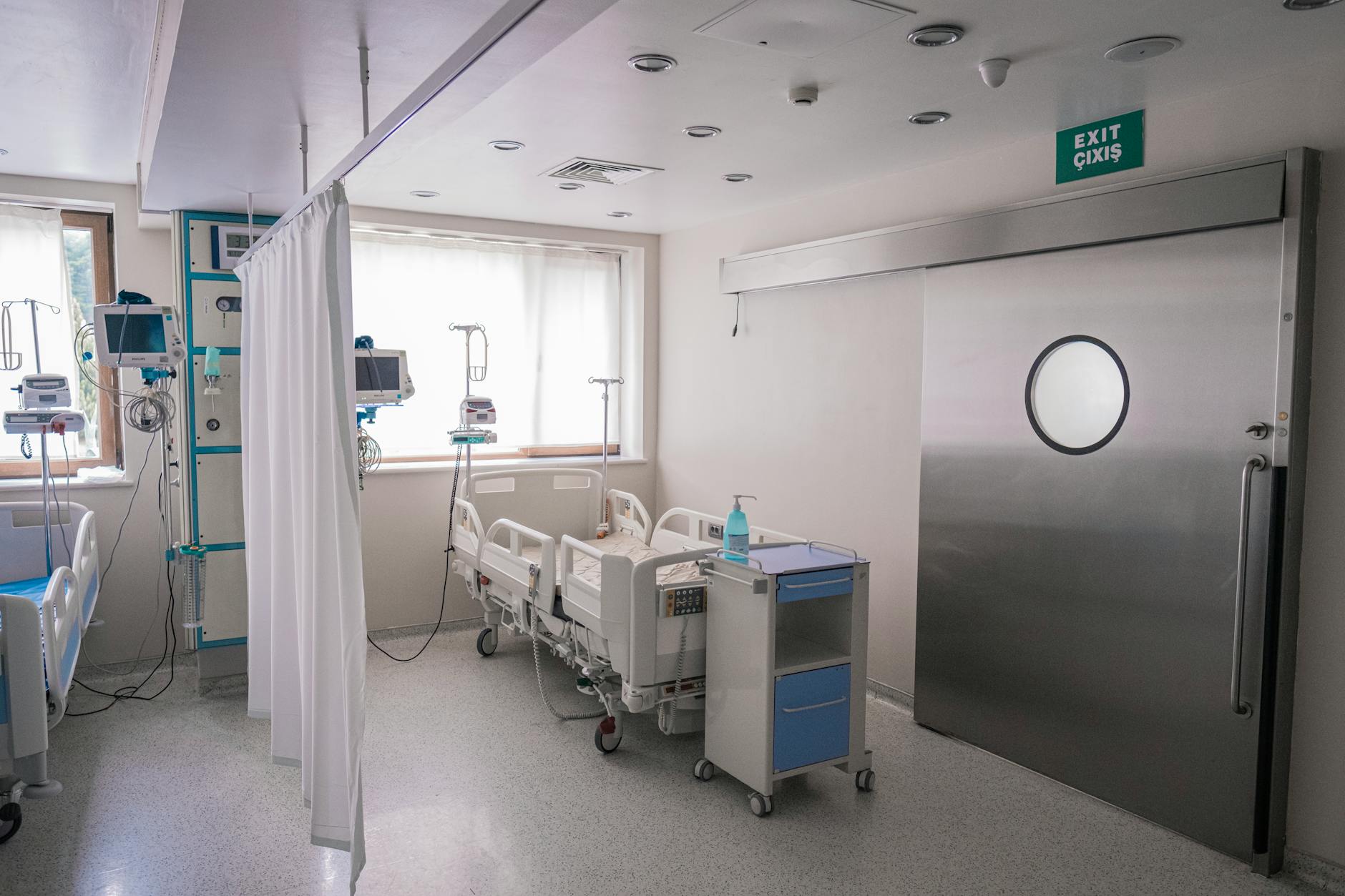
The primary site for clinical rotations is the Policlinico S. Orsola-Malpighi. It is not just a hospital; it is a “city within a city” located close to the historic center of Bologna.
- Size and Reputation: As one of the largest and most prestigious teaching hospitals in Italy, S. Orsola-Malpighi boasts over 1,500 beds and is a national center of excellence for transplants, oncology, and cardiovascular surgery.
- Strategic Locations: While S. Orsola is the hub, students also rotate at Ospedale Maggiore (known for trauma and emergency care), Ospedale Bellaria (specializing in neurosciences), and the Rizzoli Orthopaedic Institute, which is globally recognized for orthopedic excellence.
- Why It Matters for Indian Students: The sheer variety of cases ensures that students are not just reading about rare pathologies in textbooks but seeing them in real-time. This high-volume environment prepares students exceptionally well for global licensing exams like the USMLE or the NExT exam in India.
Clinical Rotation Schedule
Clinical rotations, or tirocini pratici, are scheduled separately from theoretical lectures. Students must attend at least 75% of their scheduled hours to receive a “pass” grade. Below is a breakdown of how these rotations progress through the years:
| Year | Rotation Focus | Typical Duration | Key Skills Learned |
|---|---|---|---|
| Year 3 | Intro to Clinical Practice, Cardiology, Pneumology | 1–2 Weeks per block | Physical examination, patient history taking, ECG interpretation |
| Year 4 | Neurology, Ophthalmology, ORL, Internal Medicine | 2–4 Weeks per block | Diagnostic reasoning, specialized sensory testing, chronic disease management |
| Year 5 | Pediatrics, OB-GYN, General Surgery, Oncology | 3–4 Weeks per block | Surgical scrubbing, assisting in deliveries, pediatric assessment |
| Year 6 | Emergency Med, Community Care, TPV (Qualifying Internship) | 4–8 Weeks per block | Acute care management, primary care, thesis preparation |
Specialties Covered During Clinical Training
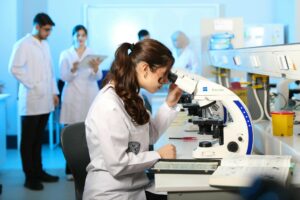
The University of Bologna ensures that every MBBS student gains a 360-degree view of the medical field. The rotations are not merely observant; as students progress, they are expected to participate in ward rounds and clinical discussions.
- Internal Medicine & Surgery: The backbone of the training, where students learn to manage complex multi-system disorders and understand pre- and post-operative care.
- Emergency Medicine: Focused on the high-pressure environment of the “Pronto Soccorso” (Emergency Room), teaching students how to triage and stabilize patients.
- Specialized Units: Unique rotations in Psychiatry, Neurology, and Oncology allow students to use advanced diagnostic tools and participate in multidisciplinary tumor boards.
Language in Clinical Settings
While the MBBS in Bologna is taught in English, the patients in the wards primarily speak Italian. This is a common concern for Indian parents and students.
Do you need Italian? Yes. To access clinical clerkships, the university requires students to reach at least a B1 level of Italian proficiency. The university provides free online resources and Italian language courses (CLA) to help international students adapt. In the wards, most professors and doctors speak English and can translate, but being able to converse with a patient in their native tongue is vital for accurate history-taking and building trust.
Research Opportunities During MBBS
Bologna is a research powerhouse. In the final year, students work on a mandatory experimental thesis. This isn’t just a paper; it involves active participation in research labs or clinical studies under the supervision of a professor.
- International Collaboration: Many students use international mobility programs like Erasmus+ to conduct part of their research or clinical training at other top European universities.
- Publications: It is not uncommon for dedicated students to have their names on peer-reviewed publications before they even graduate, which is a massive advantage for those aiming for competitive residency spots in the US or UK.
Patient Exposure vs Indian Medical Colleges — A Comparison
It is important to manage expectations regarding patient volume. While Indian government colleges are famous for their overwhelming patient loads, the Italian system offers a more structured, technology-driven approach.
| Factor | Bologna (Italy) | Top Indian Govt College | Average Indian Private College |
|---|---|---|---|
| Patient Volume | Moderate (High Quality) | Extremely High | Low to Moderate |
| Technology Access | State-of-the-art MRI, Robotics, AI | Basic to Advanced (Varies) | Moderate |
| Student-to-Patient Ratio | 1:1 or 1:2 (Individualized) | 1:10 (Often Crowded) | 1:2 |
| Documentation | Digital/Electronic Health Records | Mostly Manual | Mixed |
| Research Integration | Very High | Moderate | Low |
Career Impact of University of Bologna’s Clinical Training
Graduating from Bologna provides a degree that is recognized throughout the European Union and by the ECFMG in the United States. For Indian students, the practical training is highly beneficial for several reasons:
- FMGE/NExT Readiness: The clinical reasoning skills developed in Italy align perfectly with the clinical-case-based questions now appearing in Indian licensing exams.
- USMLE Preparation: The exposure to standardized protocols and evidence-based medicine makes the transition to the US medical system much smoother.
- EU Practice Rights: Upon graduation and completion of the TPV (qualifying internship), you are eligible to practice across Europe, providing a secure career fallback.
A Day in the Life: MBBS Clinical Year Student at Bologna
What does a typical Tuesday look like for a 4th-year student? It is a balance of professional duty and academic rigor.
- 08:00 – 13:00: Hospital Ward. You arrive at S. Orsola, change into your white coat, and join the “Giro” (ward rounds). You might assist a resident with a lumbar puncture or help take a patient’s history in the Neurology department.
- 13:00 – 14:00: Lunch. Quick break at the university canteen (Mensa), where you can get a full Italian meal for a subsidized price of €2–€5.
- 14:00 – 17:00: Lectures. Theoretical classes in the “Polo Murri” building, where professors discuss the latest clinical guidelines.
- 18:00 onwards: Study & Life. Heading to a library or a café in the student district to review for exams or catch up with friends from the Indian student community.
FAQs
Which is the main teaching hospital for the University of Bologna?
The primary teaching hospital is the Policlinico S. Orsola-Malpighi, located in Bologna. It is one of Italy’s largest hospitals and a leader in specialized care.
Is Italian mandatory for clinical rotations?
Yes, students must achieve a B1 level of Italian proficiency before starting their hospital-based clerkships to ensure they can communicate effectively with patients.
How long are the clinical rotations in Bologna?
Rotations typically last between 1 and 4 weeks per subject, depending on the academic year and the specific specialty being covered.
Can I do clinical clerkships abroad during my exchange?
Yes, the University of Bologna offers several mobility programs like Erasmus+ that allow students to carry out practical training at partner universities across Europe.
What is the TPV evaluation clerkship?
The TPV is a mandatory qualifying clinical internship during the 6th year that is required for professional licensing in Italy and the EU.
Are the clinical rotations graded?
No, clinical rotations are typically assessed on a “Pass/Fail” basis (Idoneo/Non Idoneo) rather than a numerical grade out of 30.
Will I get hands-on experience as an international student?
Yes, students are encouraged to be active participants. However, the level of hands-on involvement increases as you progress from Year 3 to Year 6.
Is the MBBS degree from Bologna recognized in India?
Yes, the degree is recognized, but Indian students must still clear the FMGE or the upcoming NExT exam to practice medicine in India.
Want to Train at Bologna? Get Admission Help
Securing a seat at the oldest university in the Western world requires more than just high marks; it requires a strategic approach to the IMAT and a clear understanding of the Italy student visa process. From calculating your MBBS in Italy fees to applying for scholarships in Italy, the process can be complex. At ISC, we specialize in helping Indian students navigate the MBBS in Italy journey. Whether you need a cost of living in Italy breakdown or help with your Bologna MBBS admission, our experts are here to guide you. Contact us today for a free consultation and take your first step toward a global medical career!