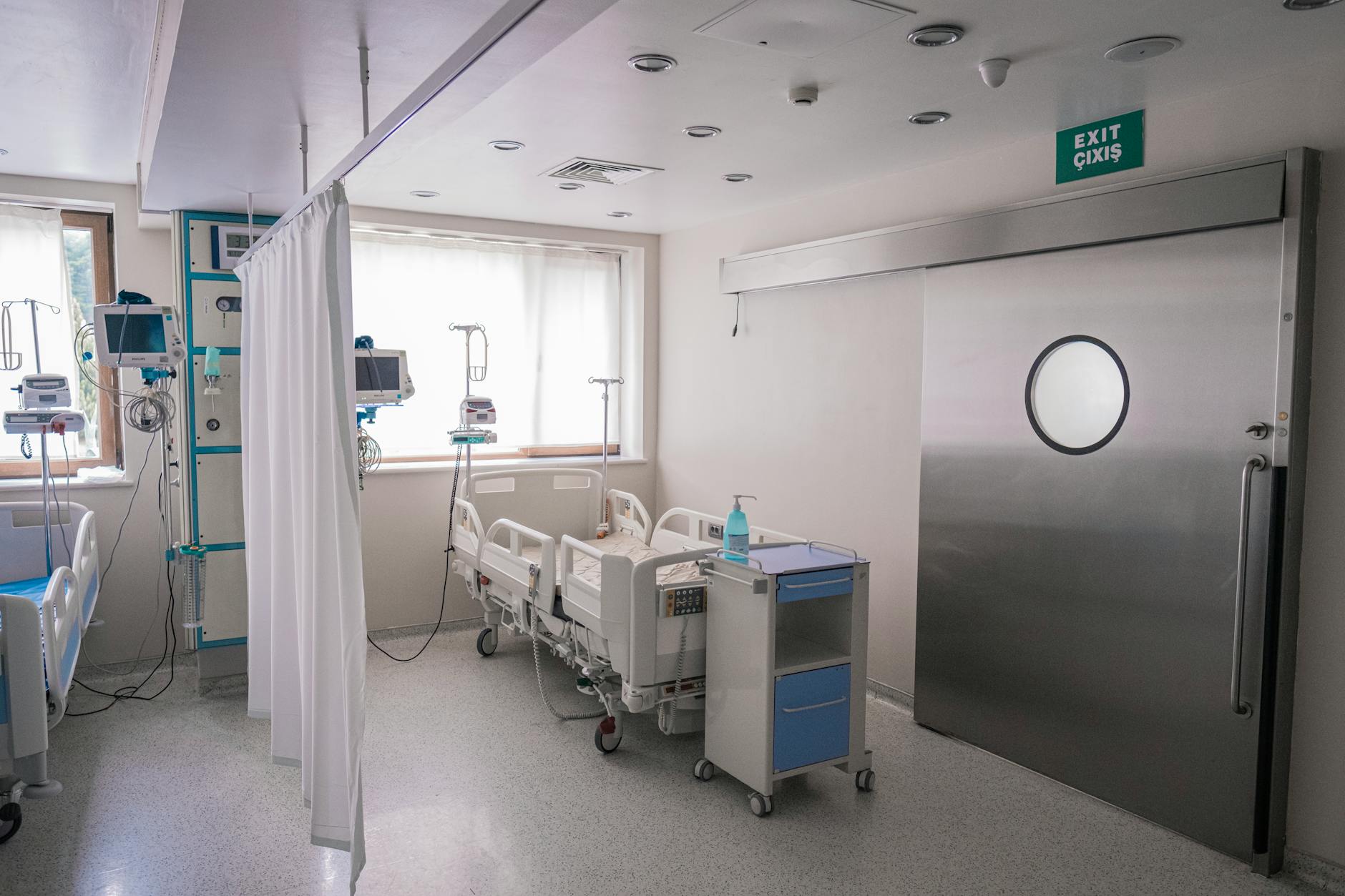
Clinical Training at University of Padua: Teaching Hospital, Rotations & What MBBS Students Experience
For Indian students aspiring to become world-class doctors, the University of Padua clinical training MBBS teaching hospital experience offers a prestigious gateway into European medicine. Established in 1222, the University of Padua (UniPd) is one of the world’s oldest and most respected centers for medical education. By blending centuries of tradition with cutting-edge technology, the university ensures that Indian students receive a holistic education that meets global standards. From the historic anatomical theaters to modern robotic surgery suites, the clinical journey at Padua is designed to transform students into competent, empathetic, and scientifically grounded physicians.
Overview — When Does Clinical Training Begin at University of Padua?
The MBBS in Padua follows a single-cycle 6-year structure. Unlike many traditional programs that keep students confined to classrooms for the first few years, Padua introduces clinical concepts early. However, the program is broadly divided into two distinct phases:
- Pre-clinical Phase (Years 1–3): The first three years focus on foundational sciences like anatomy, biochemistry, and physiology. Interestingly, students start “Introduction to Clinics” and professionalizing clerkships as early as the first year, focusing on basic patient interaction and nursing skills.
- Clinical Phase (Years 3–6): From the second semester of the third year through the sixth year, the focus shifts entirely to the hospital wards. This phase is characterized by intensive clinical rotations, diagnostic training, and therapeutic decision-making.
The Teaching Hospital — University of Padua’s Clinical Training Hub
The primary site for clinical excellence is the Azienda Ospedale Università Padova (Padua University Hospital). This sprawling medical complex is one of the largest and most advanced in Italy, serving as a regional center of excellence for the Veneto region.
- Size and Scale: The hospital houses over 1,600 beds and features dozens of specialized departments, ensuring that students encounter a vast variety of medical cases.
- Location: Strategically located near the city center and the University’s medical campus, it is easily accessible for students living in Padua or commuting from nearby areas.
- Research Reputation: As a hub for innovation, the hospital is famous for its work in oncology, organ transplantation, and cardiovascular surgery. Students train in an environment where groundbreaking research is translated into bedside care daily.
- Technology: The facility includes advanced simulation labs, high-tech diagnostic imaging centers, and suites for robotic surgery, giving students exposure to the future of global healthcare.
Clinical Rotation Schedule
The clinical training is meticulously structured to ensure a progressive buildup of skills. Students must complete a total of 60 ECTS credits (approximately 1,020 hours) of professionalizing activities and internships to qualify for the Italy student visa graduation requirements and medical licensing.
| Year | Rotation Focus | Duration | Key Skills Learned |
|---|---|---|---|
| Year 3 | Introduction to Clinical Methodology | 2–4 Weeks | Patient history taking, basic physical examination, and medical semiotics. |
| Year 4 | Core Medical & Surgical Rotations | Full Semester | Diagnostic imaging, cardiovascular, respiratory, and musculoskeletal pathologies. |
| Year 5 | Specialized Medicine | Full Semester | Pediatrics, Obstetrics & Gynecology, Oncology, and Organ Transplantation. |
| Year 6 | Advanced Practice + Thesis | Year-long | Emergency medicine, General Medicine internships, and clinical research for the final thesis. |
Specialties Covered During Clinical Training
Indian students at Padua rotate through a comprehensive list of medical and surgical specialties. This broad exposure is vital for students who plan to clear the MBBS in Italy exit exams or international licensing tests like USMLE.
- Internal Medicine: Focuses on chronic disease management and complex multi-organ pathologies.
- Surgery: Includes General Surgery, Plastic Surgery, and exposure to minimally invasive robotic techniques.
- Paediatrics & Neonatology: Training at the specialized Pediatric Clinic within the hospital complex.
- Obstetrics & Gynaecology: Hands-on experience in labor wards and prenatal care.
- Psychiatry & Neurology: Integrated rotations focusing on mental health and neurosciences.
- Emergency Medicine: High-pressure training in the ER to manage acute trauma and life-threatening conditions.
- Cardiology & Oncology: Learning from world-renowned experts in heart health and cancer treatment.
Language in Clinical Settings
While the MBBS program is taught in English, the hospital wards are a real-world Italian environment. This is a crucial point for Indian parents and students to understand:
- Patient Interaction: Most patients in Padua speak Italian. While many doctors and residents are fluent in English, communicating with patients requires Italian proficiency.
- Italian Language Requirement: The university typically requires students to reach a B1/B2 level of Italian by the third year. The university provides language courses to help international students adapt.
- Student Experience: Most Indian students find that by the time rotations start, living in Italy has given them enough “medical Italian” to manage histories and basic exams effectively.
Research Opportunities During MBBS
One of the biggest advantages of the University of Padua is its heavy emphasis on research. Students are not just practitioners; they are trained to be scientists.
- The Final Thesis: Every student must complete an original research thesis in their sixth year. This often involves working in hospital labs or participating in ongoing clinical trials.
- Research Centers: With 43 dedicated research centers, students can assist in projects ranging from genetics to regenerative medicine.
- Global Collaborations: Padua’s research is globally recognized, often leading to opportunities for students to co-author papers or present at international conferences.
Patient Exposure vs Indian Medical Colleges — A Comparison
Indian students often wonder how the “hands-on” experience in Italy compares to the high-volume patient flow in India. While Indian colleges offer sheer numbers, Padua offers depth and technology.
| Factor | University of Padua | Top Indian Govt College | Average Indian Private College |
|---|---|---|---|
| Patient Volume | Moderate (Focus on complex cases) | Very High (High clinical diversity) | Moderate to Low |
| Technology | Advanced (Robotics, AI, 3D Imaging) | Basic to Moderate | Variable |
| Teaching Method | Problem-Based Learning (PBL) | Lecture-heavy / Observation | Theory-focused |
| Student-Doctor Ratio | Low (Personalized mentorship) | Very High | High |
| Research Focus | Very High (Mandatory Thesis) | Variable (Often optional) | Low |
Career Impact of University of Padua’s Clinical Training
Graduating from a QS-ranked institution like Padua carries significant weight in the global medical community. The clinical training is designed to ensure students are ready for the next steps in their careers:
- FMGE/NExT Readiness: The systemic approach to pathology and clinical methodology aligns well with the requirements for the Indian medical licensing exam.
- USMLE/UKMLA Prep: The English-taught curriculum and exposure to Western clinical protocols provide a head start for students aiming for the USA or UK.
- EU Practice Rights: As an Italian degree, the Padua MBBS is recognized across the European Union, allowing graduates to apply for residencies in Germany, France, or Switzerland.
- Specialization: The diverse rotations help students identify their interest areas early, making them more competitive for scholarships in Italy for postgraduate studies.
A Day in the Life: MBBS Clinical Year Student at Padua
What does a typical day look like for an Indian student in their clinical years? It is a demanding but rewarding schedule:
- 08:30 AM – 12:30 PM: Ward Rounds. Students join the “Giro” (rounds) with the attending physician, discussing patient cases, reviewing imaging, and assisting in minor procedures.
- 12:30 PM – 01:30 PM: Lunch. Usually at the “Mensa” (university canteen), where a full healthy meal costs about €2–€5.
- 02:00 PM – 05:00 PM: Afternoon Lectures/Seminars. These are often “Problem-Based Learning” sessions where students solve clinical cases related to what they saw in the morning.
- 05:30 PM Onwards: Self-Study or Italian Class. Reviewing the day’s cases or preparing for the rigorous oral exams characteristic of the Italian system.
- Evening: Enjoying the vibrant student life in Padua’s squares or managing the cost of living in Italy by cooking dinner with fellow Indian students.
FAQs
Is the clinical training at Padua recognized in India?
Yes, the University of Padua is recognized by the National Medical Commission (NMC). Graduates are eligible to sit for the FMGE/NExT exam to practice in India.
Do I need to be fluent in Italian before starting the course?
No. The course is in English. However, you will need to learn Italian (usually B1/B2 level) by the third year to interact with patients during hospital rotations.
How expensive is the MBBS program at Padua?
Tuition is income-based. Depending on your family’s income, MBBS in Italy fees at Padua range from €156 to €2,945 per year.
Can Indian students get scholarships for clinical training?
Yes. Students can apply for regional DSU scholarships which cover tuition fees and provide a yearly stipend and discounted canteen meals.
What is the IMAT score required for Padua?
The IMAT exam is highly competitive. For Non-EU students, a score above 50 is generally targeted for a secure seat at Padua.
Do students get hands-on surgical experience?
During the final years, students assist in surgeries, practice suturing in labs, and observe advanced procedures like robotic and transplant surgeries.
Want to Train at Padua? Get Admission Help
Securing a seat at the University of Padua requires a strategic approach to the IMAT and a clear understanding of the Italian enrollment process. At ISC, we specialize in helping Indian students navigate everything from university selection to university rankings and visa documentation. Contact our expert counselors today for a free consultation and take your first step toward a medical career in the heart of Europe!