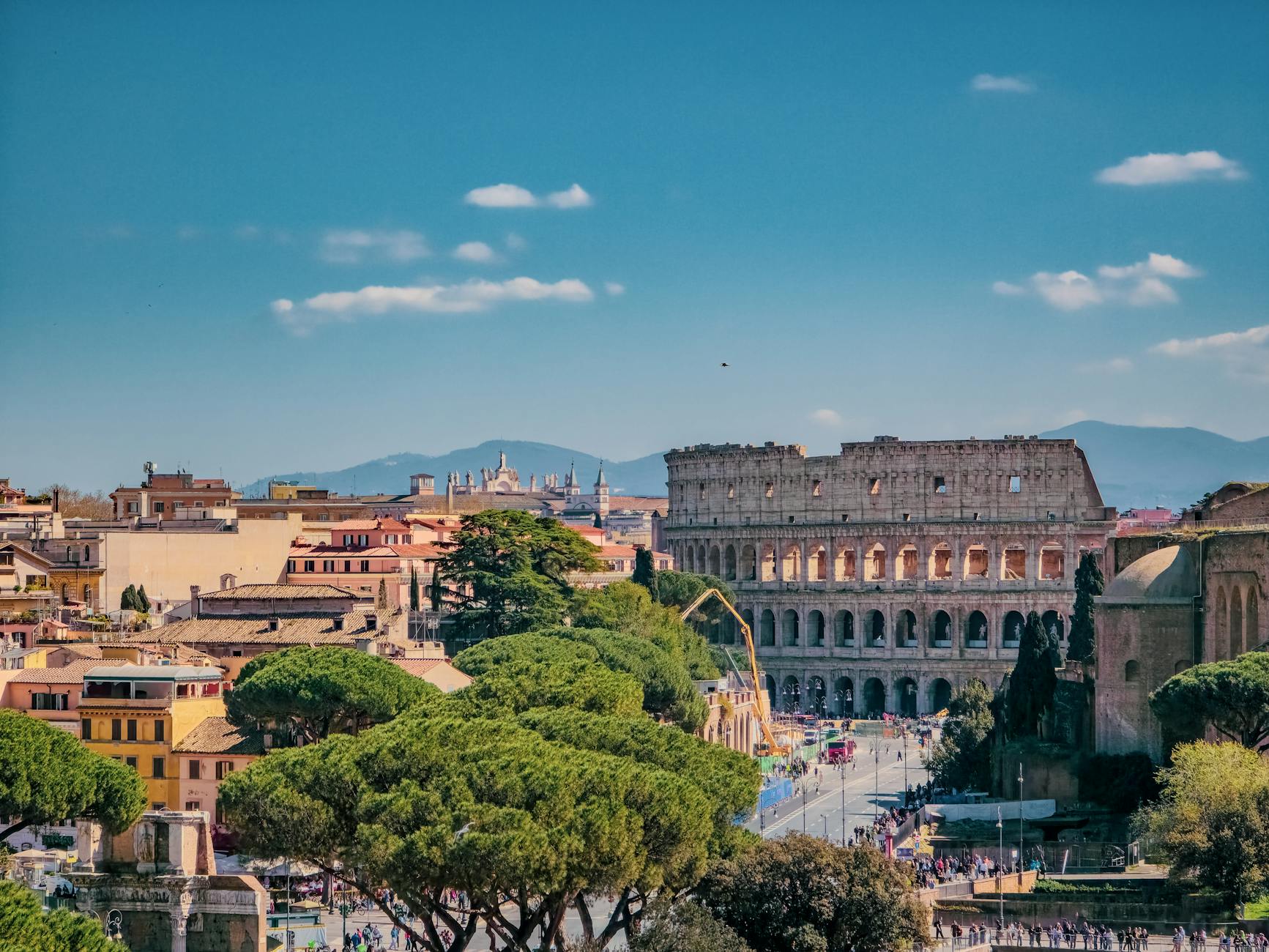
Cost of Living in Rome for Indian Students: Monthly Budget Breakdown 2026
Planning for higher education at the University of Rome Tor Vergata involves more than just academic preparation; understanding the cost of living in Rome for Indian students is essential for a stress-free experience. As a modern university campus located in Rome’s EUR district, Tor Vergata offers a quieter, more studious environment compared to central universities like Sapienza. While the city provides easy metro access to iconic landmarks and culture, managing your budget effectively is the key to balancing your studies with the vibrant Italian lifestyle.
Why Indian Students Choose Rome for Their Studies
Rome remains a top destination for Indian students pursuing an Tor Vergata MBBS guide or a specialized Tor Vergata engineering guide. The EUR district specifically caters to those who prefer a campus-style atmosphere that is less chaotic than the city center but still well-connected. Compared to Milan, Rome is generally more affordable for housing, though it remains slightly higher than southern cities like Naples or Bari.
Complete Monthly Cost Breakdown
| Category | Budget EUR | Budget INR | Comfortable EUR | Comfortable INR |
|---|---|---|---|---|
| Accommodation | €400 | ₹36,000 | €700 | ₹63,000 |
| Food & Groceries | €200 | ₹18,000 | €350 | ₹31,500 |
| Transport | €35 | ₹3,150 | €50 | ₹4,500 |
| Utilities | €70 | ₹6,300 | €120 | ₹10,800 |
| Mobile/Internet | €15 | ₹1,350 | €30 | ₹2,700 |
| Health Insurance | €12 | ₹1,080 | €12 | ₹1,080 |
| Entertainment | €50 | ₹4,500 | €150 | ₹13,500 |
| Miscellaneous | €50 | ₹4,500 | €100 | ₹9,000 |
| TOTAL | €832 | ₹74,880 | €1,512 | ₹136,080 |
Accommodation in Rome
Housing is the most significant factor in the cost of living in Rome for Indian students. Prices vary based on proximity to the metro and the city center.
LazioDisco University Residence
This is the most economical option, with costs ranging from €250 to €450 per month. However, availability is limited and often tied to securing Italy scholarships such as the DSU. Early application is critical for these spots.
Shared Apartment (most popular with Indian students)
Most Indian students choose a single room in a shared flat. In the Tor Vergata or EUR area, expect to pay between €450 and €600. Sharing a room with another student can bring this down to €350–€400.
Private Studio
For those seeking complete independence, private studios in Rome start at €850 and can exceed €1,300 in central areas. For students, this usually accounts for over 50% of the monthly budget.
Reliable platforms to find housing include Immobiliare.it, Idealista, and HousingAnywhere. Facebook groups specifically for Indian students in Rome are also excellent for finding verified roommates.
Food & Groceries for Indian Students in Rome
Cooking at home is the best way to maintain a low cost of living Italy. Monthly groceries typically cost between €200 and €300. Budget supermarkets like Lidl, Eurospin, and Conad offer the best value for staples like pasta, bread, and milk.
Indian students can find familiar spices and lentils at stores near the Vittorio Emanuele metro station. For days when you don’t want to cook, the university canteen offers subsidized meals for €2 to €5 for students with a valid ISEE certificate.
Transport in Rome
Rome has an integrated system of buses, trams, and metro lines. A monthly student pass costs approximately €35 and offers unlimited travel. Since Tor Vergata is slightly outside the center, being near a Metro C station is highly beneficial. Many students also use cycling or electric scooters for shorter commutes around the EUR district.
Top 6 Money-Saving Tips for Indian Students in Rome
- Apply for the DSU scholarship early to get free canteen meals and housing stipends.
- Always carry your student ID to get discounts at museums, cinemas, and for the annual transport pass.
- Shop at local street markets for fresh produce toward the end of the day for better prices.
- Use VOIP apps or student-specific mobile plans like Iliad or PosteMobile for cheap international calling.
- Avoid “tourist-trap” cafes in central Rome; a coffee standing at a local bar is much cheaper.
- Open an online bank account like Revolut or Wise to avoid high currency conversion fees from Indian banks.
Part-Time Work in Rome
Under a valid student visa and residence permit, Indian students are legally allowed to work up to 20 hours per week. Common jobs include English tutoring, retail roles, or working in the hospitality sector. Average wages range from €7 to €12 per hour, which can significantly help offset your monthly expenses.
Rome vs Milan vs Bologna Cost Comparison
| City | Shared Rent EUR | Food EUR | Transport EUR | Total EUR | Total INR |
|---|---|---|---|---|---|
| Rome | €500 | €250 | €35 | €1,100 | ₹99,000 |
| Milan | €650 | €300 | €40 | €1,350 | ₹121,500 |
| Bologna | €450 | €220 | €30 | €950 | ₹85,500 |
FAQs
Is €1,000 per month enough for a student in Rome?
Yes, €1,000 is a standard budget that allows for a comfortable life in a shared apartment, including groceries, transport, and occasional dining out.
Can I find Indian groceries easily in Rome?
Yes, there are several international and Indian grocery stores, particularly around the Esquilino neighborhood, providing all necessary spices and dals.
How much does a student visa for Italy cost?
The visa fee is approximately €50, but you must also factor in VFS service charges and the mandatory health insurance required for the application.
Is the University of Rome Tor Vergata expensive?
Public university fees in Italy are based on family income (ISEE). For many Indian students, annual fees range from €190 to €2,800, making it very affordable.
Should I live in the city center or near Tor Vergata?
Living near the campus in the EUR district or along Metro Line C is recommended to save on commute time and benefit from lower rent prices.
What is the minimum bank balance required for the Italy student visa?
Italian authorities typically require proof of approximately €6,100 per year, though it is safer to show a higher balance to cover initial settling-in costs.
Ready to Study in Rome?
Navigating the costs and admission requirements for Italian universities can be complex. We are here to help you every step of the way. Book free consultation today to discuss your academic future in Rome!