Transport Guide for Indian Students in Bologna: Buses, Bikes & Getting Around
Mastering the local transit system is one of the first challenges you will face after securing your Italy student visa. For those moving from India, navigating a European city like Bologna can feel vastly different from the bustling streets of Mumbai or Delhi. However, understanding the nuances of transport in Bologna for students India is the key to managing your monthly budget and enjoying your time at the prestigious University of Bologna. Whether you are heading to a lecture or exploring the Emilia-Romagna region, this guide provides a comprehensive roadmap for all your travel needs.
Is Bologna Easy to Navigate for Indian Students?
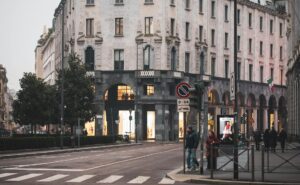
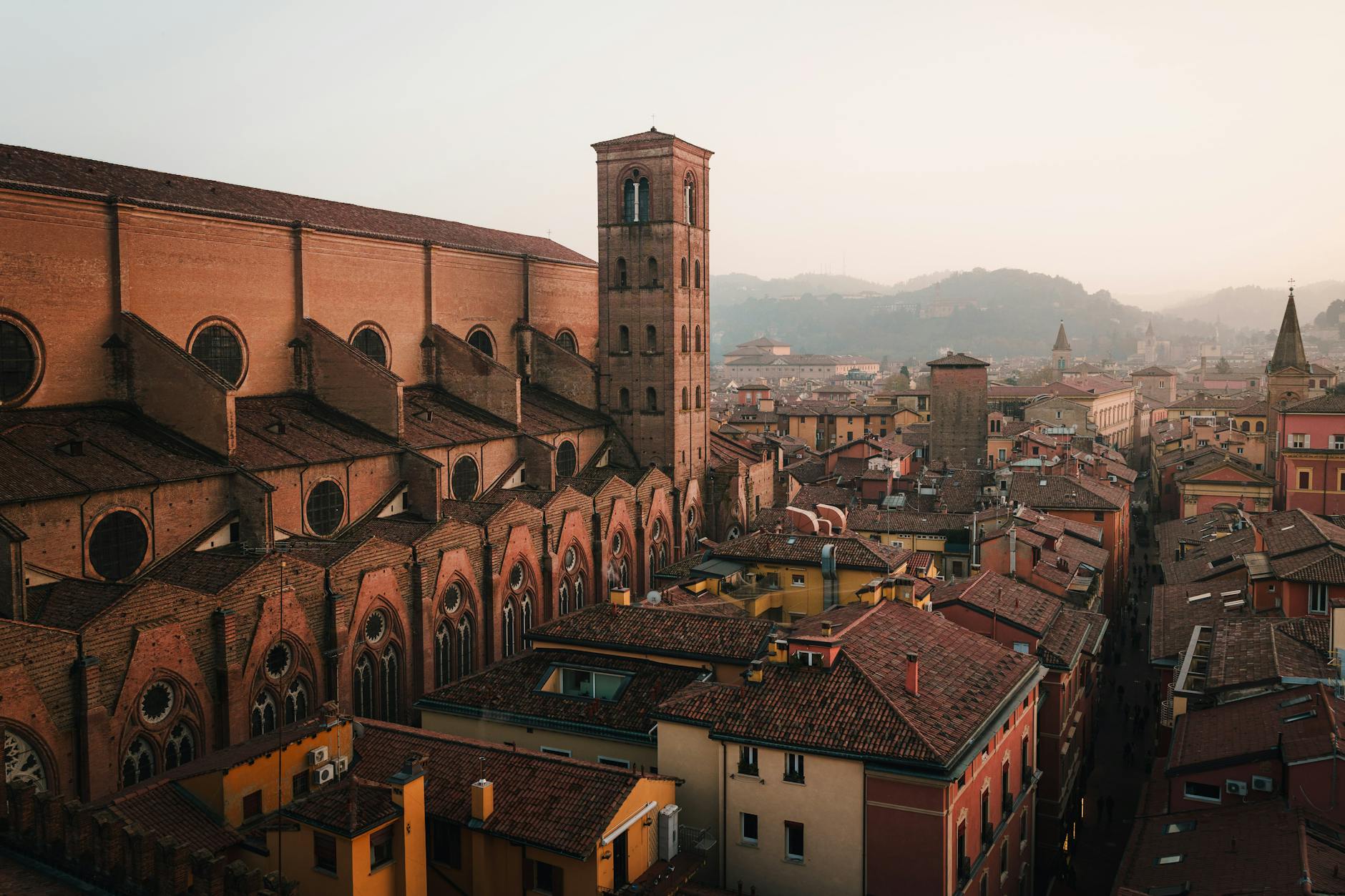
Bologna is widely considered one of the most student-friendly cities in Europe due to its compact size and highly integrated transit infrastructure. Unlike larger metropolises like Milan or Rome, the historic center of Bologna is relatively small and can be crossed on foot in about 30 minutes. For Indian students, the transition is usually smooth because the city is designed around the university. Most faculties, libraries, and student hubs are located within or just outside the medieval city walls, making “commute times” much shorter than what you might be used to in Indian cities.
The city’s famous porticoes—nearly 40 kilometers of covered walkways—are a lifesaver for students. They provide shelter from the summer sun and winter rain, allowing you to walk comfortably between classes regardless of the weather. Furthermore, the city is mostly flat, which makes it an ideal environment for cycling, a mode of transport that is both sustainable and incredibly cheap. While there is no metro system, the robust bus network managed by TPER effectively covers every corner of the city and its outskirts.
Public Transport Options in Bologna
The backbone of public transport in Bologna is its extensive bus network. While the city currently lacks a metro or tram system, the TPER (Trasporto Passeggeri Emilia-Romagna) buses are frequent and reliable. A new tram system is currently under construction, with the first line expected to be operational by 2026, which will further enhance connectivity for students at the University of Bologna.
| Mode | Monthly Pass (EUR) | Single Ticket | Student Discount | Best For |
|---|---|---|---|---|
| City Bus | €27 (Under 27) | €1.50 | Reduced annual rates | Daily commuting and night travel |
| Metro | N/A | N/A | N/A | Not available in Bologna |
| Tram | TBD (Post-2026) | TBD | TBD | Major city arteries |
| Regional Train | Varies by route | Starts at €1.80 | Under 26 discounts | Nearby towns (Imola, Rimini) |
It is important to note that single bus tickets cost €1.50 if purchased at a “Tabaccheria” or through apps like Roger or Muver, but the price rises to €2.00 if bought directly on the bus using the red ticket machines. Always remember to validate your ticket upon boarding to avoid steep fines, which can range from €60 to €200.
Cycling in Bologna — A Student’s Best Friend
If you want to live like a local and minimize your cost of living in Italy, get a bicycle. Bologna’s bike culture is vibrant, and the city is increasingly investing in dedicated bike lanes. For many Indian students, cycling becomes the primary mode of transport within the first month of arrival.
- Bike Culture: The city is flat and compact, making it perfect for two wheels. You will see everyone from professors to students pedaling through the “ZTL” (Limited Traffic Zones).
- Annual Pass: For those who don’t want to own a bike, the “RideMovi” bike-sharing service is ubiquitous. However, the most affordable long-term option is the TPER subsidized bike pass, which in some years has been offered for as low as €10 for students.
- Buying a Bike: You can find second-hand bikes at the weekly market in Piazza VIII Agosto or through student Facebook groups for €50–€100. Always invest in a high-quality “U-lock,” as bike theft is common in the university district.
- Safety: While Bologna is safe, always use lights at night and follow the direction of traffic. Most of the historic center is pedestrian-priority, but keep an eye out for buses in the main corridors like Via Indipendenza.
Walking — Bologna’s Compact Layout
Bologna is a walker’s paradise. The city was built long before cars, and its architecture reflects a scale that is inherently human. For many Indian students, walking is not just a way to save money, but a way to soak in the beauty of the “Red City.”
- Campus to Accommodation: Most student housing in areas like San Vitale or Bolognina is within a 15–20 minute walk of the main university buildings.
- Campus to Teaching Hospital: For those pursuing an MBBS in Bologna, the Sant’Orsola-Malpighi Polyclinic is located just outside the city walls, easily reachable by a short walk or a quick bus ride from the university center.
- City Centre Proximity: No matter where you are in the university district, the central Piazza Maggiore is rarely more than a 10-minute walk away.
Intercity Travel — Trains to Other Italian Cities
Bologna is the most important railway hub in Italy. Located at the crossroads of the North-South and East-West lines, it is the perfect base for Indian students who wish to explore Europe. Whether you are traveling for leisure or heading to another city for a Bologna engineering guide workshop, the train is your best option.
High-speed trains like Frecciarossa (Trenitalia) and Italo connect Bologna to Milan in 60 minutes, Florence in 35 minutes, and Rome in about 2 hours. Prices vary significantly based on how early you book; a ticket to Milan can range from €15 to €40. Indian students should take advantage of “Young” offers (for those under 30), which provide discounts of up to 70% on base fares. Regional trains are a slower but much cheaper alternative for visiting nearby gems like Parma, Modena, or the beaches of Rimini.
Getting from Airport to Bologna City Centre
The Bologna Guglielmo Marconi Airport (BLQ) is very close to the city center, and there are three primary ways to make the journey:
- Marconi Express: This is a high-tech electric monorail that connects the airport to the Bologna Centrale train station in just 7 minutes. A single ticket costs €12.80. It is the fastest and most frequent option, running every 7–15 minutes.
- Airport Bus (Line 944/949): A more budget-friendly option is the airport shuttle bus. Line 944 goes to the station, while the 949 electric bus goes directly to the heart of the city (Piazza Malpighi) for €9.80.
- Taxi: A taxi to the city center usually costs between €20 and €30. This is often the best choice if you are arriving with heavy luggage or in a group of three or more students, as the cost per person becomes comparable to the bus.
Monthly Transport Budget for Indian Students
Planning your finances is crucial. Depending on your lifestyle and where you choose to live, your transport costs can vary from nearly zero to a significant monthly expense.
| Scenario | Monthly Cost (EUR) | Monthly Cost (INR) |
|---|---|---|
| Cycling only (Second-hand bike) | €5 (Maintenance) | ₹450 |
| Bus pass + occasional cycling | €27 | ₹2,450 |
| Regular bus user (Under 27) | €27 | ₹2,450 |
| Occasional train traveller | €60 – €80 | ₹5,500 – ₹7,300 |
Most Indian students find that a combination of cycling and a subsidized annual bus pass provides the best value. This allows for free daily movement while keeping the bus as a “Plan B” for rainy days or late nights. Also, don’t forget to check for scholarships in Italy, as some regional grants include transport subsidies.
FAQs
Is public transport in Bologna free for students?
Public transport is not free, but it is heavily subsidized. Students at the University of Bologna can apply for an annual bus pass at a significantly reduced rate compared to the standard price.
Can I use Indian driving license in Bologna?
You can use a valid Indian driving license accompanied by an International Driving Permit (IDP) for up to one year. However, driving in the city center is difficult due to narrow streets and ZTL restrictions.
What is the “Roger” app?
Roger is the official mobility app for the Emilia-Romagna region. You can use it to buy bus tickets, plan routes, and even pay for parking directly from your smartphone.
Is it safe to cycle in Bologna at night?
Yes, Bologna is generally very safe. However, ensure your bike has working front and back lights, and stick to well-lit porticoed streets or main avenues.
How do I get a student discount on trains?
You should register for the “Trenitalia for Young” or “Italo Piu” programs using your passport and student ID. These programs offer significant discounts for travelers under 30.
Are there night buses in Bologna?
Yes, Bologna has a “Night Bus” service (N-lines) that operates on weekends and holidays, connecting the outskirts to the city center after the regular lines stop running.
Planning Your Move to Bologna?
Navigating a new country is a major milestone, and having the right support can make all the difference. From choosing the right neighborhood to understanding the complexities of Italian bureaucracy, our experts are here to guide you every step of the way. If you are ready to begin your journey at the University of Bologna, let us help you move with confidence. Contact us today for a personalized consultation on your study abroad plans!