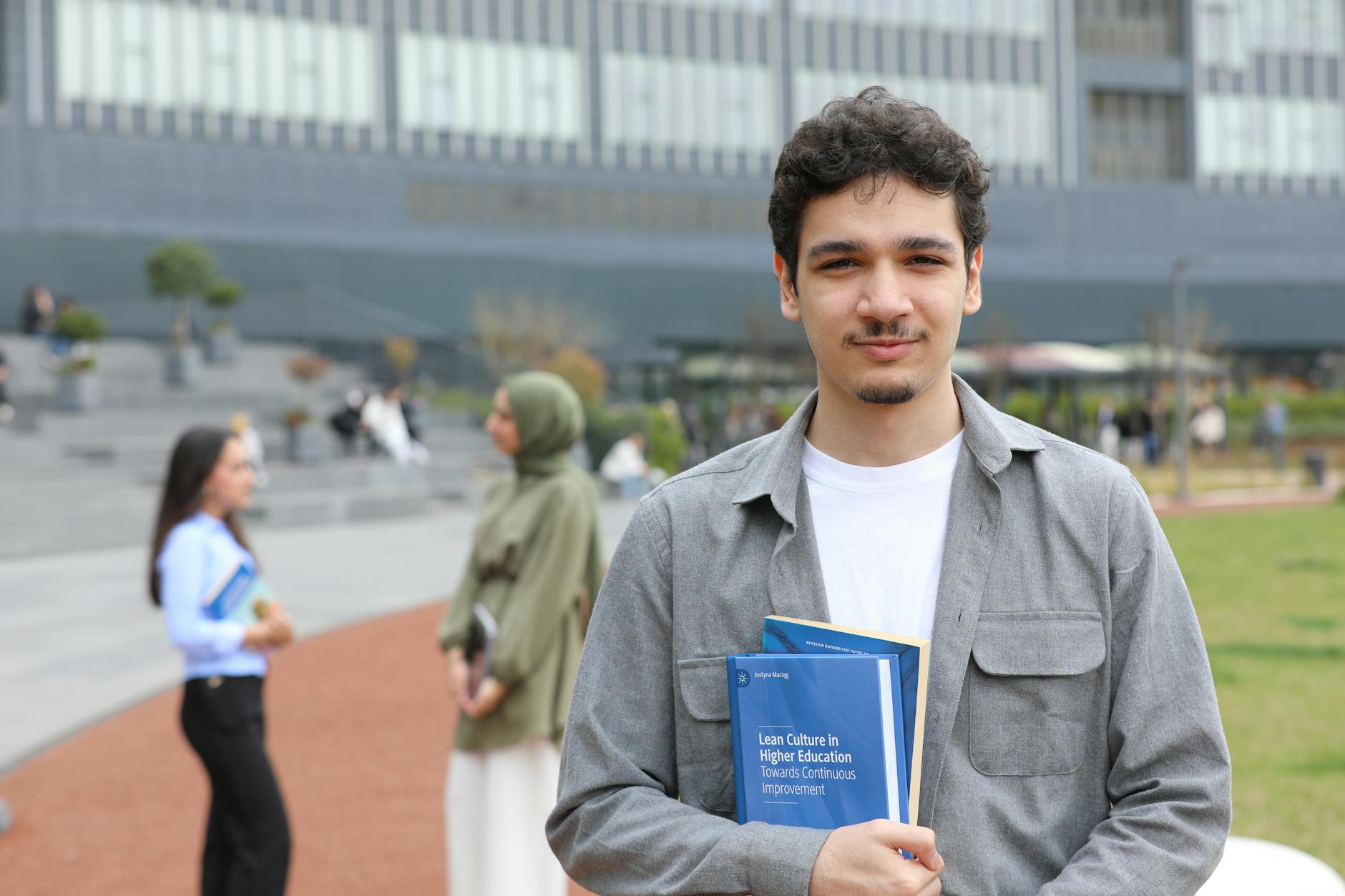
Indian Student Community at Sapienza University of Rome: Life, Culture & What to Expect
Planning to study at one of the world’s oldest and most prestigious institutions? The Indian students at Sapienza University of Rome Rome experience is one of academic excellence, vibrant culture, and personal growth. As a university ranked #132 globally by QS, Sapienza attracts thousands of international learners every year to the heart of the Eternal City. For Indian students and parents, understanding the community support, local lifestyle, and cultural nuances is essential for a smooth transition from India to Italy. In this guide, we explore everything from finding familiar food to navigating the unique academic landscape of Rome.
How Many Indian Students Study at Sapienza University of Rome?
The Indian student population at Sapienza has seen a significant upward trend over the last five years. Currently, hundreds of Indian students are enrolled across various faculties, making it one of the largest concentrations of desis in an Italian university. This growth is fueled by the availability of world-class Italian universities and generous scholarships in Italy that often cover both tuition and living expenses.
The split generally leans towards two major streams:
- Engineering & Technology: A vast majority of Indian students are enrolled in English-taught Masters in Engineering, Data Science, and AI. Programs like engineering in Sapienza are highly sought after due to the university’s research output.
- Medicine (MBBS): With the rise of the IMAT exam, the number of Indians pursuing MBBS in Sapienza is growing annually, attracted by the clinical exposure offered in Rome’s historic hospitals.
- Economics & Humanities: A smaller but dedicated group of students pursues degrees in Economics, Finance, and Classical Studies.
The Indian Student Community in Rome
Arriving in a new country can be daunting, but the Indian student community in Rome is exceptionally proactive in helping newcomers. You are never truly alone when you step off the plane at Fiumicino.
Digital Support Networks
The primary mode of connection is through WhatsApp and Facebook groups. Groups like “Indians in Rome” or “Indian Students at Sapienza” are lifesavers for finding accommodation, understanding the Italy student visa stay permit (Permesso di Soggiorno) process, or even finding a second-hand bike. These communities provide real-time advice on everything from which VFS center is fastest in India to which Roman neighborhood is safest for students.
Student Associations and Clubs
While there isn’t a singular “Indian-only” club at the university level, Indian students are heavily involved in:
- ESN (Erasmus Student Network) Roma: A massive organization that hosts parties, city tours, and cultural exchange nights. It is the best place to meet students from across Europe.
- InterNations Rome: For those looking to connect with professionals and long-term Indian expats, this network hosts monthly meetups in upscale Roman venues.
- Sapienza International Student Office (Hello): The official university touchpoint that organizes welcome weeks and orientation sessions specifically for non-EU students.
Indian Food & Grocery Shopping in Rome
One of the biggest concerns for parents is whether their children will find “Ghar ka khana” in Italy. Fortunately, Rome has a thriving South Asian presence that ensures you are never far from dal, chawal, and masala.
| Item Category | Availability in Rome | Top Locations/Districts |
|---|---|---|
| Spices & Masalas | High (Everest, MDH brands) | Esquilino Market (Piazza Vittorio) |
| Rice & Atta | High (Basmati, Chakki Atta) | Asia Supermarket, Selli International |
| Fresh Vegetables | Medium (Okra, Bitter Gourd) | Esquilino Market, Trionfale Market |
| Ready-to-Eat | Medium (MTR, Haldiram) | Dookan (Online), Indian Dookan |
Top Grocery Stores
The Esquilino district (near Termini Station) is the “Little India” of Rome. The Nuovo Mercato Esquilino is a must-visit for fresh cilantro (coriandolo), green chilies, and specialized Indian vegetables. Stores like Selli International and Asia Supermarket stock bulk bags of Aashirvaad Atta and India Gate Basmati rice.
University Canteen Options
The “Mensa” (University Canteen) at Sapienza is very affordable, with meals costing between €2 to €5. While they don’t serve Indian food, they always have vegetarian options like pasta with tomato sauce, risotto, and salads. For an authentic Indian meal out, restaurants like Gandhi 2 or Himalaya’s Kashmir are popular student favorites for weekend treats.
Festivals & Cultural Events
Being an Indian student at Sapienza doesn’t mean missing out on festivals. The community makes a concerted effort to celebrate major occasions.
- Diwali: Often celebrated with large community dinners organized by Indian associations or at the Sanatan Dharma Mandir in Lavinio (near Rome). Students often host small potluck dinners in their shared apartments with diyas and sweets.
- Holi: While large public “color runs” happen occasionally, students usually gather in parks like Villa Borghese or Villa Ada for a more traditional celebration.
- International Student Nights: Sapienza frequently hosts “International Days” where Indian students set up stalls with Henna (Mehendi), traditional clothing, and snacks to showcase Indian culture to European peers.
Culture Shock — and How to Handle It
The cost of living in Italy is manageable, but the “cost” of cultural adjustment requires patience. Here are the four main areas where Indian students experience shock:
Language Barrier (Italian in daily life)
While Sapienza offers many degrees in English, the city of Rome runs on Italian. From the person at the grocery counter to the official at the Questura (police station), English is not always spoken.
Tip: Always carry a translation app and learn basic phrases like “Vorrei questo” (I would like this) and “Dove si trova…” (Where is…).
Different Academic Culture
In India, written exams are the norm. In Italy, the Oral Exam (Esame Orale) is king. You will often sit in front of a professor and a panel of students to explain your thesis or answer questions out loud.
Tip: Focus on conceptual understanding rather than rote learning. Attendance isn’t always mandatory, but self-study discipline is vital.
Food Adjustment
Italians take their food seriously. “Pasta with ketchup” or “Chicken tikka pizza” are considered cultural crimes here.
Tip: Embrace the local “Aperitivo” culture—a social hour where you buy a drink and get access to a buffet of snacks. It’s the cheapest way to socialize.
Social Life Differences
The pace of life in Rome is “Piano, Piano” (slowly, slowly). Shops might close for a few hours in the afternoon (riposo), and bureaucracy can be frustratingly slow.
Tip: Adjust your expectations. Everything in Rome takes twice as long as you think it will, but the beauty of the city makes the wait worthwhile.
Learning Italian — Is It Necessary?
Technically, you can survive your degree with only English, but you won’t truly “live” the Roman experience without Italian. Learning the language is the difference between being a tourist for three years and becoming a local.
Sapienza University offers free Italian language courses for international students through its linguistic centers. These fill up fast, so apply early! Additionally, apps like Duolingo are great for vocabulary, but “Language Exchange” meetups in bars around San Lorenzo (the student district) are where you will actually learn to speak. Proficiency in Italian also opens up 10x more part-time job opportunities in cafes and retail.
Day-to-Day Life Tips for Indian Students in Rome
To help you settle in, here are some practical tips every Indian parent and student should know:
- SIM Card: Get an Iliad or Ho Mobile SIM at the airport or Termini. They offer 100GB+ data for around €10/month.
- Transport: Buy the “Metrebus Roma” annual pass. For students under 26, it is heavily subsidized and covers all buses, trams, and metro lines.
- Banking: Revolut or Wise are great for initial days, but for your stay permit, you might need a local account like Intesa Sanpaolo (which has student-friendly “XME” accounts).
- Pharmacy: Look for the “Farmacia” with the green cross. Unlike India, most medicines require a doctor’s prescription (ricetta).
- Codice Fiscale: This is your Italian tax ID. You need it for everything—from renting a house to getting a SIM card. Get it from the Italian Embassy in India before you leave!
- Emergency: Dial 112 for all emergencies. It is the universal European emergency number.
FAQs
How many Indian students are at Sapienza?
While exact numbers fluctuate, there are currently over 500 Indian students enrolled across various undergraduate, postgraduate, and PhD programs at Sapienza University of Rome.
Is Rome safe for Indian students?
Yes, Rome is generally very safe. Like any major capital, petty crimes like pickpocketing occur near tourist spots (Colosseum, Termini). Indian students are well-regarded and rarely face any serious safety issues.
Can I find Indian vegetarian food easily?
Absolutely. Rome is a very vegetarian-friendly city. Between the many Indian grocery stores in Esquilino and the standard Italian focus on fresh vegetables and pasta, vegetarians have plenty of options.
Is it hard to find accommodation near Sapienza?
The Roman housing market is competitive. Students should look in areas like San Lorenzo, Piazza Bologna, or along the Metro B line for easier commutes to the main campus (Città Universitaria).
Can I work part-time while studying at Sapienza?
Yes, your student visa allows you to work up to 20 hours per week. While English-only jobs exist (like delivery or English tutoring), knowing basic Italian will help you find better roles in hospitality.
What is the average monthly budget for an Indian student?
Excluding tuition, a student can live comfortably on €800 to €1,200 per month, depending on whether they share a room or have a private studio.
Ready to Join the Community at Sapienza?
The journey from India to the historic halls of Sapienza is an adventure of a lifetime. While the paperwork and cultural shifts can seem overwhelming, the reward is a world-class education in the most beautiful city on earth. At ISC, we specialize in helping Indian students navigate the entire process—from university applications and visa guidance to finding your first apartment in Rome.
Don’t leave your future to chance. Contact our expert counselors today for a free consultation and start your Sapienza success story!