A Day in the Life of an MBBS Student at University of Naples Federico II: Real Indian Student Experience
Choosing to study medicine abroad is a monumental decision for any family. For those considering Italy, understanding the MBBS student life University of Naples Federico II Naples daily routine is essential to envisioning your future. As one of the oldest and most prestigious institutions in the world, the University of Naples Federico II offers a unique blend of rigorous academic tradition and vibrant Mediterranean culture. For Indian students, life here is a transition from the high-pressure coaching centers of India to a self-directed, clinical-heavy European curriculum. Whether you are navigating the IMAT exam or already holding an admission letter, this guide provides a realistic look at the daily grind and the rewards of studying MBBS in Italy at Naples.
First Impressions — What Indian Students Say About University of Naples Federico II
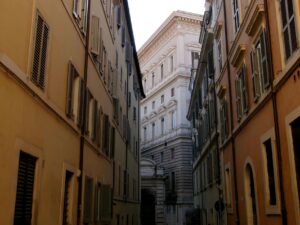
The first thing Indian students notice about Naples is its character. Unlike the structured, often clinical feel of northern European cities, Naples is “vibrant and chaotic,” much like some of India’s most bustling metros. For many, this makes the transition easier—the warmth of the people and the passion for life feel familiar. The University itself, founded in 1224, carries a weight of history that is immediately apparent when you step onto the medical campus at the Policlinico.
Indian students often praise the “international” feel of the classroom. Federico II is unique because it often reserves more seats for Non-EU students (25) than for EU students (15). This creates a classroom dynamic where you are surrounded by peers from around the globe, yet you will always find a strong contingent of fellow Indians to celebrate Diwali or share a home-cooked meal with. The professors are highly respected researchers, and while the “Italian way” of administration can be a bit slow, the quality of medical training is world-class.
Pre-Clinical Years (Year 1–3) — A Typical Day
In the initial years, your focus is on building a rock-solid scientific foundation. The curriculum is integrated, meaning you don’t just study anatomy in isolation; you study how it relates to physiology and biochemistry simultaneously. This phase is intense but sets the stage for your future as a doctor.
Morning (7:00–12:00) — Lectures & labs
A typical day starts early. Most Indian students living in shared apartments near the Policlinico or the Metro Line 1 station will grab a quick breakfast—perhaps transitioning from chai to a traditional Neapolitan “cappuccino e cornetto.” Lectures generally begin around 8:30 AM or 9:00 AM at Edificio 6. You’ll spend these hours in large lecture halls covering core subjects like Molecular and Cellular Biology, Human Anatomy, and Medical Physics. Laboratory sessions, such as Histology or Biochemistry labs, are woven into the morning schedule, where you’ll get hands-on experience with microscopy and chemical analysis.
Afternoon (12:00–14:00) — Lunch, canteen culture
Lunch is a social highlight. The Policlinico has its own “Mensa” (canteen), where students can get a full Italian meal—pasta, a main course, and fruit—for a subsidized price, often as low as €2 to €5 depending on your scholarship status. It’s a great time to catch up with friends. Many Indian students also choose to carry tiffins to save on the cost of living Italy, finding a sunny spot on campus to eat together.
Afternoon (14:00–17:00) — Practicals / seminars
Post-lunch sessions usually involve more interactive learning. This might include “esercitazioni” (group exercises), seminars on bioethics, or additional laboratory work. Unlike many programs where clinical exposure is delayed, Federico II introduces “Basis of Clinical Medicine” early on, helping you connect the dots between the classroom and the hospital ward. You might also attend Scientific English classes during these hours.
Evening (17:00–22:00) — Self-study, library, social
By 5:00 PM, formal classes usually wrap up. This is when the real work begins. The University of Naples Federico II has extensive library facilities where students settle in for deep study. Because Italian exams are largely oral, you’ll see students practicing explaining complex physiological processes to each other. After study sessions, evenings are for grocery shopping at local markets or a quick “Aperitivo” in the city center before heading home to cook dinner and prep for the next day.
Clinical Years (Year 3–6) — A Typical Day
Transitioning into the clinical years is where the MBBS student life University of Naples Federico II Naples daily routine truly evolves. You move from being a student in a classroom to a junior member of a medical team.
Early Morning — Ward round prep
Clinical students often start their day even earlier, around 7:30 AM. You’ll head straight to your assigned department at the Policlinico Federico II. Before the official rounds begin, you might check on the patients you’ve been assigned to shadow, reviewing their charts and noting any changes in their condition overnight. This is where your Italy student visa journey pays off—you are finally in the heart of a European hospital.
Morning — Hospital rotations at Policlinico Federico II
From 8:30 AM to 12:30 PM, you are immersed in “Tirocini” (rotations). You’ll rotate through departments like Internal Medicine, General Surgery, Pediatrics, and Cardiology. Under the guidance of residents and professors, you’ll observe surgeries, participate in physical examinations, and learn the art of patient history-taking. Because you are in Naples, learning basic Italian by this stage is crucial for communicating with patients.
Afternoon — Departmental lectures
After a quick lunch at the hospital canteen, the afternoon is dedicated to specialized lectures. These are often held by the same surgeons or specialists you worked with in the morning. The focus shifts to Pathological Anatomy, Pharmacology, and specific disease management. These sessions are highly practical, often revolving around real case studies from the wards.
Evening — Case review, FMGE prep, social
Evenings for clinical students involve reviewing the day’s cases and studying for upcoming “integrated” exams. Many Indian students also begin their FMGE (Foreign Medical Graduate Examination) or USMLE preparation during these years, utilizing online resources and group study. However, it’s not all work—Naples’ social life, from world-class pizza in the “Centro Storico” to walks by the Lungomare, provides the perfect escape from the academic pressure.
Weekly Schedule — Pre-Clinical Year
The pre-clinical schedule is characterized by a heavy load of theoretical classes and basic science labs.
| Day | Morning (9:00 – 13:00) | Afternoon (14:00 – 17:00) | Evening (17:00 – 21:00) |
|---|---|---|---|
| Monday | Human Anatomy I Lecture | Chemistry Lab | Self-study: Anatomy Atlas |
| Tuesday | Molecular Biology | Physics Seminar | Group Discussion: Biology |
| Wednesday | Medical Statistics | Human Histology Lab | Italian Language Class |
| Thursday | Bioethics & Forensic Med | Anatomy Practical | Library: Exam Prep |
| Friday | Biochemistry Lecture | Scientific English | Social: Pizza Night |
| Saturday | Catch-up Study / Revision | Free Time / Exploration | Grocery & Meal Prep |
| Sunday | Rest / Cultural Visit | Review Weekly Notes | Prep for Monday Lectures |
Weekly Schedule — Clinical Year
In the clinical years, the morning shift moves to the hospital wards for practical training.
| Day | Morning (8:00 – 13:00) | Afternoon (14:00 – 17:00) | Evening (17:00 – 21:00) |
|---|---|---|---|
| Monday | Internal Medicine Rotation | Pathology Lecture | Case Review / Study |
| Tuesday | General Surgery Rotation | Pharmacology Seminar | FMGE / USMLE Prep |
| Wednesday | Pediatrics Rotation | Clinical Methodology | Hospital Documentation |
| Thursday | Cardiology Ward Rounds | Surgical Anatomy | Library: Research Thesis |
| Friday | Emergency Medicine | Integrated Case Study | Social: Weekend Trip Prep |
| Saturday | Specialty Clinic Shadowing | Free Time | Review Departmental Notes |
| Sunday | Rest / Beach Day | Self-study: Pharmacology | Prep for Ward Rounds |
Academic Culture at University of Naples Federico II
The academic culture in Naples is a significant shift for Indian students accustomed to the MCQ-based NEET system. Here, the emphasis is on oral exams and deep conceptual understanding.
- Italian Oral Exam System: Most exams have a written component (often a qualifying hurdle) followed by an oral exam with a professor. You must be able to articulate complex medical concepts clearly, showing not just what you know, but how you think.
- Attendance Expectations: Federico II strictly enforces attendance. You are typically required to attend at least 75% of lectures and 100% of practical/clinical sessions to be eligible for the exam.
- Self-Directed Study: Unlike Indian coaching centers that provide concise notes, Italian professors expect you to read extensive textbooks and research papers. You are treated as an independent scholar.
- Adapting from NEET: Indian students must pivot from memorizing facts for speed to understanding mechanisms for explanation. This transition is challenging but ultimately produces more confident clinicians.
Social Life in Naples as an MBBS Student
Naples offers one of the best social environments for students in Europe. It is the birthplace of pizza, and the cost of social activities is much lower than in Milan or Rome.
- International Mix: You’ll make friends with Italians, other Europeans (through the Erasmus program), and students from across Asia and the Americas. This multicultural environment is incredibly enriching.
- ESN Events: The Erasmus Student Network (ESN) organizes frequent parties, language exchanges, and trips to places like Pompeii, the Amalfi Coast, and Capri.
- Indian Community: There is a growing and supportive Indian student community. You’ll find groups for everything from playing cricket on weekends to organizing Diwali and Holi celebrations.
- Weekend Activities: With a beach right by the city and historical sites at every corner, your weekends can be as relaxing or adventurous as you like.
Mental Health & Wellbeing Support
The pressure of medical school, combined with living thousands of miles from home, can be taxing. The University of Naples Federico II and the city of Naples offer various support systems.
Homesickness is common, especially in the first year. The University provides international student support services that can help with everything from administrative hurdles to psychological counseling. Indian student groups often act as an informal support network—sharing meals and experiences can significantly ease the pressure. It’s important to maintain a healthy work-life balance; Neapolitans are masters of “dolce far niente” (the sweetness of doing nothing), and learning to take an evening off to walk by the sea is a vital skill for your mental health.
FAQs
Is the MBBS program at University of Naples Federico II taught entirely in English?
Yes, the “Medicine and Surgery” program is taught entirely in English. However, you will need to learn Italian for your clinical rotations to communicate with patients effectively.
How expensive is it for an Indian student to live in Naples?
Naples is one of the most affordable major cities in Italy. Indian students can typically manage on a budget of €600 to €800 per month, covering rent, food, and transport, especially if they secure scholarships in Italy like the DSU.
Do Indian students find it difficult to adapt to the oral exam system?
Initially, yes, as it is very different from India’s MCQ-based exams. However, most students adapt within the first year and find that oral exams help them develop better communication skills and confidence.
What are the hospital facilities like at Policlinico Federico II?
The Policlinico is a massive, well-equipped university hospital. It houses various specialized departments, research labs, and simulation centers, providing students with extensive and diverse clinical exposure.
Is Naples safe for Indian international students?
Naples is generally safe for students. Like any large city, it has areas to avoid and requires basic precautions against pickpockets, but most students find it a welcoming and vibrant place to live.
Can I work part-time while studying MBBS in Naples?
Yes, your student visa allows you to work up to 20 hours per week. However, the medical curriculum is very demanding, so most students find it difficult to work more than a few hours a week.
Are there many Indian restaurants or grocery stores in Naples?
While there are fewer than in Milan, Naples does have several Indian restaurants and international grocery stores where you can find spices, lentils, and other staples from home.
Want to Experience Life at Naples Federico II?
The journey to becoming a doctor at one of Europe’s oldest universities is as challenging as it is rewarding. If you’re ready to take the next step toward your medical career in Italy, we can help. From choosing between MBBS in Naples and other cities to managing your MBBS in Italy fees, our experts provide end-to-end support. Contact us today for a personalized consultation and start your journey to the University of Naples Federico II!