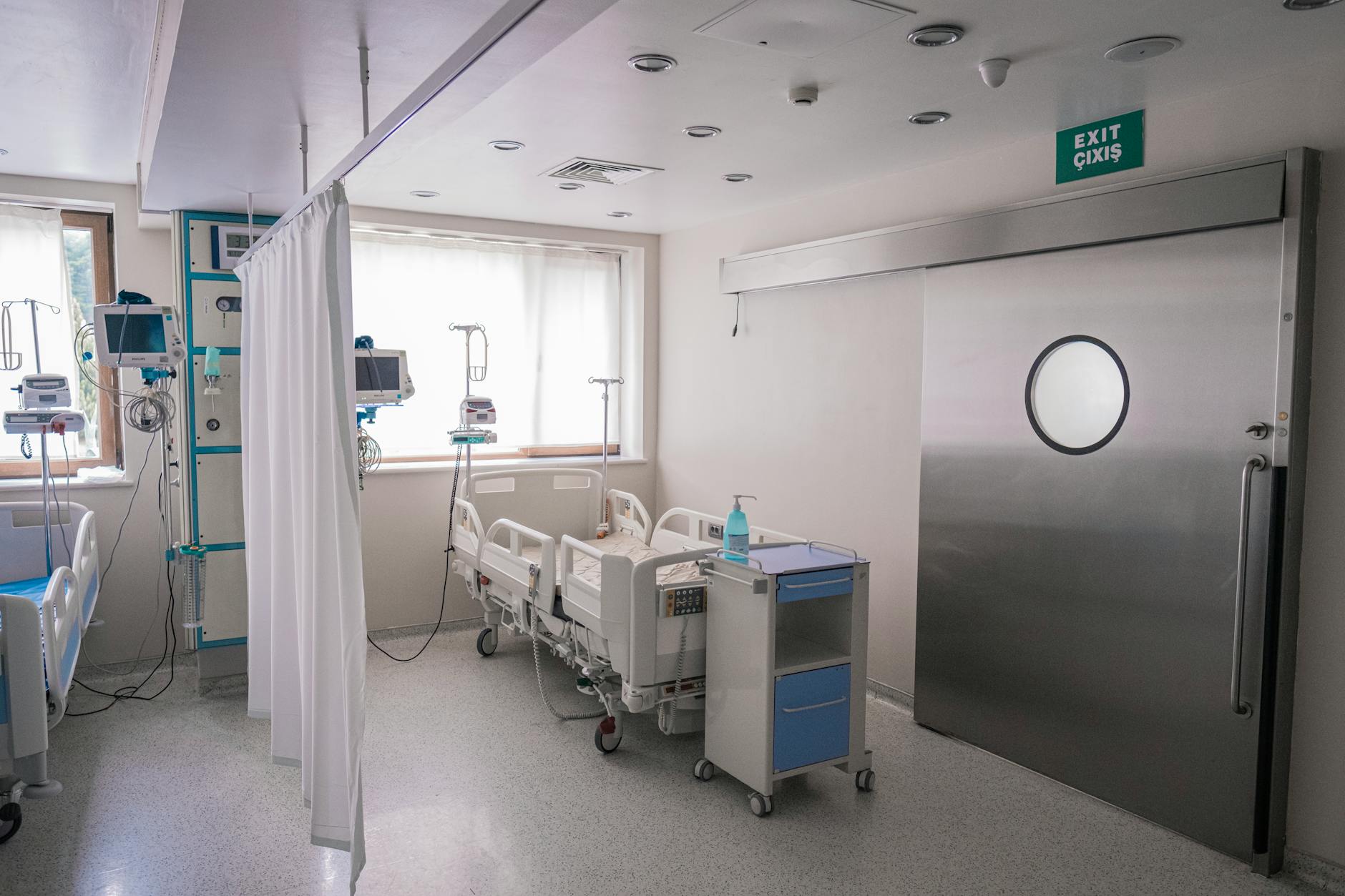
Clinical Training at University of Florence: Teaching Hospital, Rotations & Patient Exposure
For Indian students aspiring to become global doctors, the quality of hospital exposure is as critical as the medical degree itself. The University of Florence clinical training MBBS teaching hospital system offers a world-class environment where theoretical knowledge meets advanced medical practice. Recognized by the NMC and WHO, the University of Florence provides Indian medical students with a robust clinical foundation at the Azienda Ospedaliero-Universitaria Careggi, one of Italy’s largest and most prestigious healthcare facilities. This guide explores how the clinical phase at Florence prepares students for international licensing exams and a successful medical career.
When Does Clinical Training Begin at University of Florence?
The MBBS program at the University of Florence (known as Laurea Magistrale in Medicina e Chirurgia) follows a 6-year structure designed to transition students from foundational sciences to independent clinical practice.
- Pre-clinical Phase (Years 1–3): The first three years focus on building a strong foundation in basic sciences such as Anatomy, Physiology, Biochemistry, and Pathology. While students spend most of their time in lecture halls and laboratories, early clinical observation often begins by the end of the second year to familiarize students with the hospital environment.
- Clinical Phase (Years 3–6): Extensive clinical training begins in the third year. From this point forward, the curriculum shifts toward hospital-based learning. Students rotate through various departments, applying their pre-clinical knowledge to real-world patient cases under the supervision of senior attending physicians and residents.
Teaching Hospital — Azienda Ospedaliero-Universitaria Careggi
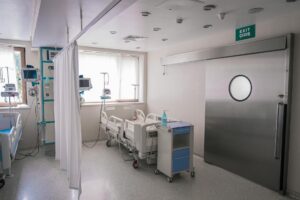
The crown jewel of medical education in Florence is the Azienda Ospedaliero-Universitaria Careggi. Established in 1924, Careggi is not just a hospital but a massive “health city” that integrates patient care, education, and cutting-edge research.
- Hospital Profile: Careggi is the primary teaching hospital for the University of Florence. It features over 1,100 patient beds and manages approximately 100,000 emergency room visits and millions of outpatient procedures annually.
- Location & Specialties: Located conveniently near the university campus, it houses specialized centers for traumatology (CTO), heart and vascular diseases, and neurosciences.
- Research Reputation: As a leading research hub in the National Health Service, Careggi allows students to observe advanced medical technologies and participate in international clinical trials.
- Value for Indian Students: For Indian students, training at a facility of this scale is invaluable. The high patient volume and diversity of medical conditions ensure that graduates are well-prepared for the busy environment of Indian government hospitals.
Year-by-Year Clinical Rotation Schedule
The clinical years are structured to provide progressive responsibility. Students move from basic diagnostics to specialized medical and surgical care.
| Year | Phase | Rotation / Subject | Duration | Key Clinical Skills Developed |
|---|---|---|---|---|
| Year 3 | Introductory | Semeiotics & Basic Diagnostics | 4-6 Weeks | Patient history taking, physical examination, and basic vital signs. |
| Year 4 | Core Specialties | Internal Medicine, General Surgery, Oncology | 8-12 Weeks | Understanding systemic diseases, surgical procedures, and diagnostic imaging. |
| Year 5 | Advanced Specialties | Pediatrics, OBGYN, Neurology, Psychiatry | 12-16 Weeks | Specialized care for children and women, mental health, and neurological disorders. |
| Year 6 | Finalization | Electives, Emergency Medicine, Thesis | Ongoing | Clinical autonomy, emergency response, and completion of the research thesis. |
Specialties Covered in Clinical Rotations
The University of Florence ensures that Indian students receive a comprehensive education across all major branches of medicine. Mandatory rotations include:
- Internal Medicine: Management of chronic conditions and complex multi-system disorders.
- General Surgery: Exposure to minimally invasive and robotic surgery at Careggi.
- Paediatrics: Specialized training at the Meyer Children’s Hospital, one of Europe’s oldest pediatric centers.
- Obstetrics & Gynaecology: Prenatal care, delivery, and maternal health.
- Cardiology & Oncology: Access to advanced cardiac labs and specialized cancer treatment protocols.
- Emergency Medicine: High-intensity training in the DEA (Emergency and Admission) department.
Language in the Clinical Setting
While the MBBS program is taught in English, the clinical phase requires interaction with Italian-speaking patients. This is a crucial aspect of training for Indian students.
- Italian Language Proficiency: Students are expected to reach a B1 or B2 level of Italian by their third year. Communication is key to performing physical exams and taking medical histories.
- University Support: The University of Florence provides language support and courses to help international students integrate into the clinical setting.
- Coping Mechanisms: Indian students often find that many residents and senior doctors speak English, facilitating a smoother transition. However, fluency in Italian significantly enhances the hands-on experience and patient rapport.
Research & Thesis Opportunities
Italy’s medical education system emphasizes research. Every student must complete an original research thesis to graduate with their MD degree.
- Thesis Project: Starting in the fifth or sixth year, students choose a specialty and a supervisor to conduct research, which can be clinical or laboratory-based.
- Publication Pathways: Students at Florence often have the opportunity to co-author papers in international medical journals due to the high research output of the Careggi staff.
- Global Collaboration: The university maintains partnerships with medical schools worldwide, allowing students to explore international research standards.
University of Florence Clinical Training vs Indian Medical Colleges
Understanding the differences between the Italian and Indian medical systems helps parents and students make an informed decision.
| Factor | Florence (Careggi) | Top Government College (India) | Average Private College (India) |
|---|---|---|---|
| Patient Diversity | High (Global/EU standards) | Very High (Domestic cases) | Moderate to High |
| Infrastructure Quality | World-Class/Advanced Tech | Moderate (Budget dependent) | High but often underutilized |
| Clinical Autonomy | Guided/Supervised | High (Student-led) | Variable |
| Research Access | Excellent/Integrated | Moderate | Limited |
| Global Recognition | High (EU/WHO/NMC) | High (NMC/Global) | Moderate |
How University of Florence’s Clinical Training Prepares Indian Students for FMGE/NExT
For Indian students, clearing the FMGE (or the upcoming NExT) is the final hurdle to practicing in India. The clinical training at Florence is highly beneficial for these exams:
- Syllabus Overlap: The European medical curriculum closely aligns with the standards set by the NMC.
- Practical Knowledge: Exams like NExT Step 1 and 2 focus heavily on clinical scenarios. Exposure to diverse cases at Careggi helps students solve these clinical vignettes more easily.
- Quality of Instruction: Training under seasoned attending physicians ensures that fundamental clinical concepts are deeply ingrained, reducing the need for rote memorization.
A Realistic Clinical Year Day at Florence
A typical day for a medical student in the clinical phase is demanding but rewarding:
- 08:00 AM – 01:00 PM: Hospital Ward Rounds. Students join the medical team, observe patient examinations, and discuss diagnostic plans.
- 01:00 PM – 02:00 PM: Lunch break at the hospital or university canteen.
- 02:00 PM – 05:00 PM: Afternoon lectures or specialized seminars held at the medical school.
- Evening: Self-study, thesis research, or attending Italian language classes to improve patient interaction skills.
FAQs
Is the MBBS degree from the University of Florence recognized in India?
Yes, the degree is fully recognized by the National Medical Commission (NMC) and the World Health Organization (WHO), allowing graduates to appear for the FMGE or NExT exam.
Do I need to learn Italian for clinical rotations?
Yes. While lectures are in English, patient interaction is in Italian. Reaching a B1 or B2 level is essential for a meaningful clinical experience.
Can Indian students do their internship in India?
According to current NMC guidelines, students must complete their entire 6-year program, including clinical training, in Italy to be eligible for licensing. Always check the latest visa and NMC regulations.
What is the teaching hospital for the University of Florence?
The primary teaching hospital is the Azienda Ospedaliero-Universitaria Careggi, one of Italy’s largest public hospitals.
Are there scholarship opportunities for medical students in Florence?
Yes, Indian students can apply for DSU scholarships based on financial need, which can cover tuition fees and provide a stipend for cost of living.
How competitive is it to get into the clinical phase?
The clinical phase is part of the standard 6-year curriculum. Once you pass the IMAT exam and secure admission, you are guaranteed a spot in the clinical rotations provided you pass your exams.
Train at Florence — Apply with Our Guidance
Securing a seat at the University of Florence requires navigating the IMAT exam, visa procedures, and documentation. Our experts specialize in helping Indian students achieve their dream of studying medicine in Italy. Contact us today for personalized counseling and end-to-end admission support.