Clinical Training at University of Turin: Teaching Hospital, Rotations & Patient Exposure
For Indian students aspiring to become world-class doctors, the University of Turin clinical training MBBS teaching hospital experience offers a unique blend of historical academic excellence and cutting-edge medical practice. Located in the heart of Italy’s Piedmont region, the University of Turin (UniTo) provides a 6-year Medicine and Surgery program taught entirely in English, specifically designed to meet global standards. Understanding the clinical landscape is vital for parents and students, as this phase transforms theoretical knowledge into life-saving skills.
Choosing to study MBBS in Turin means entering one of Europe’s most robust healthcare systems. The clinical training here is not merely an add-on; it is the cornerstone of the curriculum, ensuring that graduates are ready for the MBBS in Italy journey and beyond, including international pathways like USMLE or the NExT exam in India.
Pre-Clinical vs Clinical Years at University of Turin
The medical journey at UniTo is divided into two distinct yet integrated phases. This structure ensures that students first build a “scientific soul” before assuming the “clinical heart” of a physician.
- Year 1–3 (Pre-clinical): During these initial years, the focus is on the foundational sciences. Students dive deep into Anatomy, Physiology, Biochemistry, and Pathology. While primarily classroom and lab-based, UniTo introduces early clinical exposure through simulation and interprofessional clerkships, ensuring students don’t lose sight of the patient.
- Year 3–6 (Clinical Transition): The shift occurs midway through the third year. This transition is marked by a move from the main university campus to the hospital wards. From the fourth year onwards, lectures are typically held in the afternoon, leaving the mornings free for hands-on clinical rotations and traineeships.
Teaching Hospital — Molinette Hospital (Città della Salute e della Scienza di Torino)
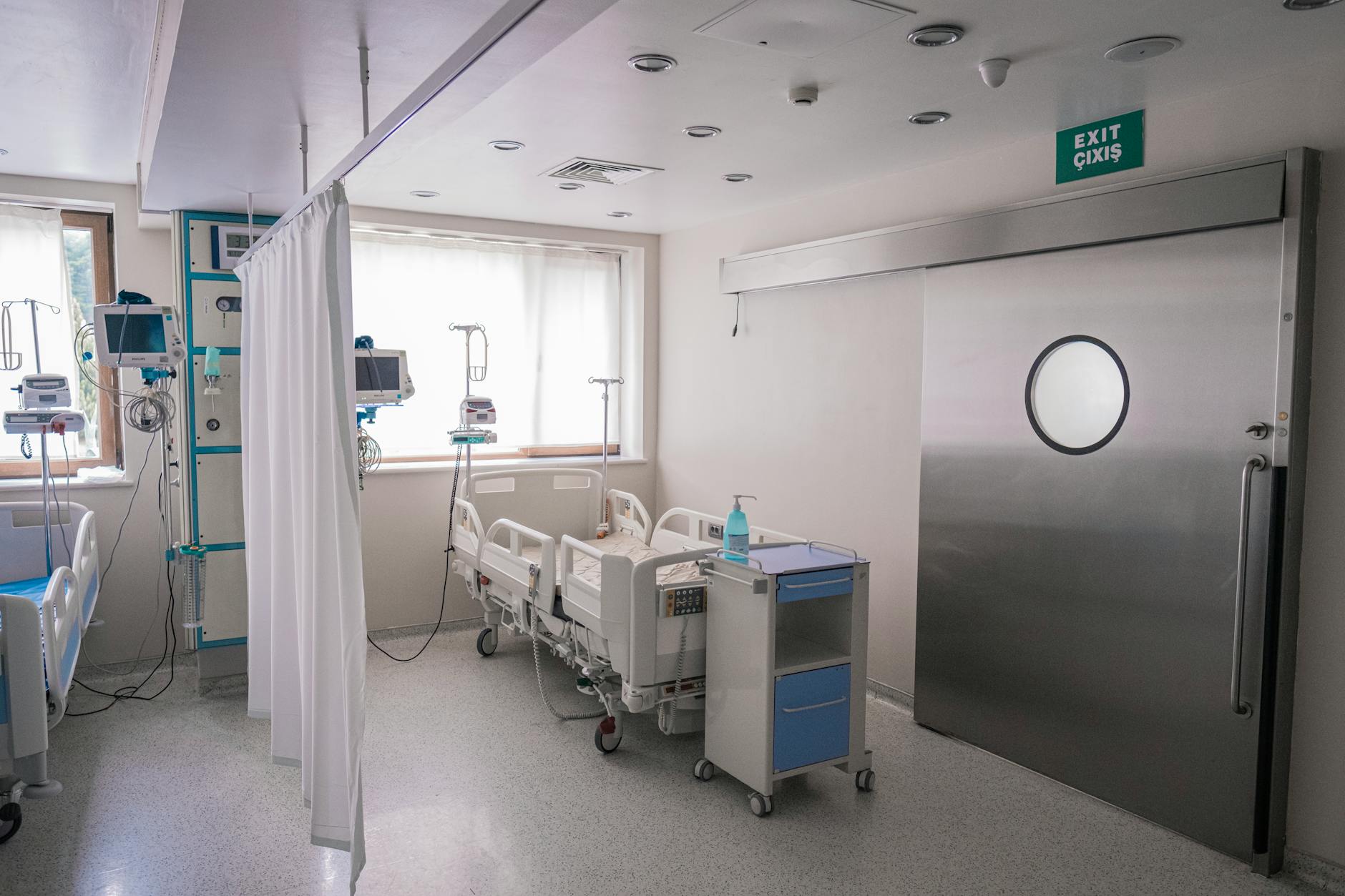
The “Molinette” (part of the Città della Salute e della Scienza complex) is the primary University of Turin clinical training MBBS teaching hospital. It is one of the largest and most prestigious medical complexes in Italy and Europe.
- Hospital Profile: With over 1,000 beds and dozens of specialized departments, Molinette is a “City of Health.” It is located conveniently near the city center and is easily accessible via the Turin Metro (Nizza or Carducci-Molinette stations).
- Specialties: It is a national referral center for organ transplants, oncology, cardiology, and complex neurosurgery.
- Significance: For an Indian student, training at Molinette means exposure to high-tech diagnostics, robotic surgery, and rare clinical cases that are often only read about in textbooks. The volume of patients ensures that students see a diverse range of pathologies, which is critical for developing diagnostic intuition.
Year-by-Year Clinical Rotation Schedule
The clinical progression is designed to increase in complexity as the student matures. The following table outlines the typical journey from observer to active clinical participant.
| Year | Phase | Rotation/Subject | Duration | Key Skills |
|---|---|---|---|---|
| Year 3 | Introduction | Semeiotics & Internal Medicine | 4-6 Weeks | Patient history taking, physical examination, basic diagnostics. |
| Year 4 | Core Specialties | Cardiology, Respiratory, GI, Surgery | 8-10 Weeks | Interpreting ECGs, imaging, surgical scrubbing, ward management. |
| Year 5 | Advanced | Pediatrics, OB/GYN, Neurology, Psychiatry | 12-14 Weeks | Managing specialized patient groups, emergency response, mental health. |
| Year 6 | Thesis + Finals | General Surgery, ER, Internal Med | 16+ Weeks | Clinical autonomy, thesis research, preparing for the State Exam. |
Specialties Covered During Clinical Training
The University of Turin ensures a comprehensive “360-degree” medical education. During the rotations, students are integrated into various departments including:
- Internal Medicine & Cardiology: Learning to manage chronic lifestyle diseases and acute cardiac events using advanced imaging.
- Surgery: Students don’t just watch; they learn the sterile protocols and assist in procedures ranging from general laparoscopy to specialized transplant surgery.
- Paediatrics & Ob-Gyn: Focus on maternal-fetal health and developmental medicine, areas highly relevant for the Indian clinical context.
- Emergency Medicine: High-pressure training at the ER, teaching rapid triage and life-support skills.
Language in Clinical Settings
While the degree is in English, the patients at the hospital naturally speak Italian. This is a common concern for Indian families, but it is handled systematically by the university.
- Role of Italian: To effectively take a patient’s history or explain a procedure, a basic level of Italian (B1/B2) is essential by the third year.
- Language Support: UniTo offers free Italian language courses during the first two years. Most Indian students find that daily life in Turin helps them pick up the language quickly enough for ward communication.
- The Student Role: Residents and professors often speak English and act as bridge-builders between the international student and the local patient.
Research Opportunities for MBBS Students
A hallmark of the Italian medical system is the mandatory research thesis. At the University of Turin, clinical training is deeply intertwined with scientific inquiry.
- Year 6 Thesis: Every student must complete an original research project to graduate. This often involves clinical trials or laboratory research within the hospital complex.
- Research Labs: Students have access to the Neuroscience Institute, Molecular Biotechnology Center, and various oncology research hubs.
- Global Recognition: Participating in research at a QS-ranked institution significantly boosts a student’s CV for future residency applications in the UK, USA, or Germany.
University of Turin Clinical Training vs Indian Medical Colleges
When comparing European training to the Indian system, there are distinct differences in methodology and focus.
| Factor | University of Turin (Italy) | Top Govt College (India) | Average Private College (India) |
|---|---|---|---|
| Patient Exposure | High quality, diverse pathologies | Extreme volume, high procedural load | Variable, depends on patient flow |
| Infrastructure | State-of-the-art, digital health focus | Often aged, high patient-to-bed ratio | Modern but often under-utilized |
| Clinical Autonomy | Supervised, evidence-based focus | High autonomy early on | Moderate to low autonomy |
| Research Access | Integrated and mandatory | Limited for undergraduates | Very limited |
| Global Recognition | High (EU/US/UK friendly) | High (via alumni networks) | Variable |
Career Impact of University of Turin’s Clinical Training
The training received at the University of Turin clinical training MBBS teaching hospital provides a solid foundation for several career pathways:
- NExT/FMGE: The clinical focus aligns well with the clinical vignettes now common in Indian licensing exams.
- USMLE/UK-PLAB: The emphasis on diagnostic reasoning and medical ethics is highly valued in Western healthcare systems.
- EU Practice: Graduates can practice across the European Union once they meet local language requirements.
A Day in Clinical Year at Turin
What does a typical Tuesday look like for a 4th-year student?
08:30 – 12:30: Ward Rounds at Molinette. Observing bedside procedures, reviewing patient charts with the “Primario” (Head Physician).
12:30 – 14:00: Lunch at the “Mensa” (University Canteen) with fellow Indian and international students.
14:00 – 17:00: Afternoon Lectures. Transitioning back to the classroom for theoretical modules on Cardiovascular or Respiratory diseases.
17:00 onwards: Self-study at the Medical Library or Italian language practice.
FAQs
Where do clinical rotations take place in Turin?
Most rotations occur at the Molinette Hospital (Città della Salute e della Scienza), though students may also attend specialized centers like the San Luigi Gonzaga Hospital or the CTO for orthopedics.
Do I need to pass an exam to enter clinical years?
Yes, students must clear their preclinical exams (Anatomy, Physiology, etc.) to be eligible for clinical clerkships. This ensures you have the necessary knowledge to be in a hospital setting.
Is the clinical training recognized by the Medical Council of India (NMC)?
Yes, the University of Turin is a recognized institution. Graduates must follow NMC guidelines, including the NExT exam, to practice in India.
Can I choose my clinical specialties for the rotations?
While core rotations are mandatory for everyone, students have elective “ADE” (Elective Educational Activities) credits where they can choose wards of specific interest, such as Plastic Surgery or Urology.
How do Indian students manage the language barrier with patients?
Indian students usually take the university’s free Italian courses. By the time they reach clinical years, most have reached a B1 level, which is sufficient for basic medical communication.
Is the teaching hospital equipped with modern technology?
Absolutely. Molinette is a leader in robotic surgery, advanced radiotherapy, and digital pathology, providing students with exposure to 2026-level medical technology.
Want to Train at Turin? Apply with Our Help
Navigating the IMAT exam, the Italy student visa, and the nuances of the cost of living in Italy can be complex. At Indian Students Community, we specialize in helping students secure seats at the University of Turin. From document legalization to finding Italy scholarships that cover your living costs, we are with you at every step. Ready to start your medical career in Italy? Contact us for a free consultation today.