A Day in the Life of an MBBS Student at University of Turin: Real Indian Student Experience
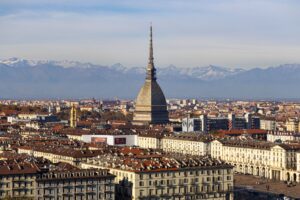
Choosing to study medicine abroad is a monumental decision for any Indian family. While the MBBS in Italy program is gaining massive popularity, understanding the ground reality of the MBBS student life University of Turin Turin daily routine is essential for setting the right expectations. Turin, located at the foot of the Alps, offers a unique blend of rigorous academic standards and a high quality of life that is often more affordable and manageable than Milan. For Indian students, the University of Turin (UniTo) represents a prestigious gateway to a global medical career, combining centuries of tradition with modern clinical simulation.
First Impressions — What Indian Students Say About University of Turin
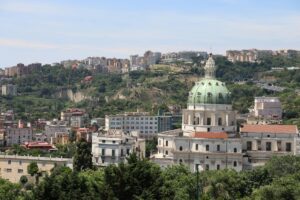
For many Indian students arriving from the high-pressure environment of NEET coaching, the first impression of the University of Turin is its sheer historical scale. Founded in 1404, the university is integrated into the city’s fabric. Students often mention the “campus feel” of the San Luigi Gonzaga University Hospital in Orbassano, where the English-taught medicine program is based. Unlike the crowded urban campuses in India, the Turin medical school offers a dedicated environment where classrooms, labs, and the hospital coexist, fostering a tight-knit community of international scholars.
Parents are often impressed by the university’s global standing (QS #260) and the transparency of the tuition fees, which are calculated based on family income (ISEE). This makes a world-class education accessible for as little as €156 to €3,500 per year, a fraction of the cost of private medical colleges in India.
Pre-Clinical Years (Year 1–3) — A Typical Day
The first three years are focused on building a rock-solid scientific foundation. The transition from the MCQ-heavy Indian system to the comprehensive Italian curriculum can be challenging but rewarding.
Morning (7:00–12:00) — Lectures & labs
A typical day begins early. Most students live in student-friendly neighborhoods like Vanchiglia or San Salvario and commute to the Orbassano campus via public transport. Lectures usually start around 8:30 or 9:00 AM. In the pre-clinical phase, the focus is on “Cells, Molecules, and Genes,” Anatomy, and Physiology. These are not just monologues; the university utilizes interactive teaching methods to ensure students grasp the clinical relevance of basic sciences from day one.
Afternoon (12:00–14:00) — Lunch, canteen culture
Lunch is a social highlight. Students head to the university canteen (Mensa), where a full Italian meal—pasta, a main course, and salad—costs between €2 and €5. For many Indian students, this is a time to bond with peers from all over the world, sharing experiences and navigating the nuances of Italian life together.
Afternoon (14:00–17:00) — Practicals / seminars
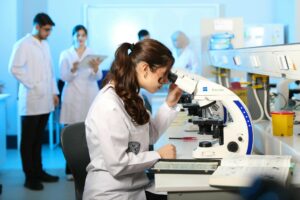
Post-lunch sessions are often dedicated to laboratory work or seminars. This includes histology, microbiology, and early exposure to the Advanced Medical Simulation Centre. Here, students use virtual simulators and anatomical tables to practice before they ever step into a real ward. This hands-on approach ensures that the IMAT exam preparation they did translates into practical skill.
Evening (17:00–22:00) — Self-study, library, social
After the commute back to the city center, evenings are reserved for self-directed study. The Italian system places a high value on independent learning. Students often gather in the university’s medical library or local cafes to review notes. However, it’s not all work; Turin’s “Aperitivo” culture offers a great way to unwind, where the price of a drink includes access to a buffet—a budget-friendly dinner option for many.
Clinical Years (Year 3–6) — A Typical Day
From the third year onwards, the focus shifts toward patient care and hospital immersion.
Early Morning — Ward round prep
Clinical students often start their day even earlier, reaching the hospital by 8:00 AM. This time is used to review patient charts and prepare for morning rounds with the attending physicians.
Morning — Hospital rotations at Molinette Hospital
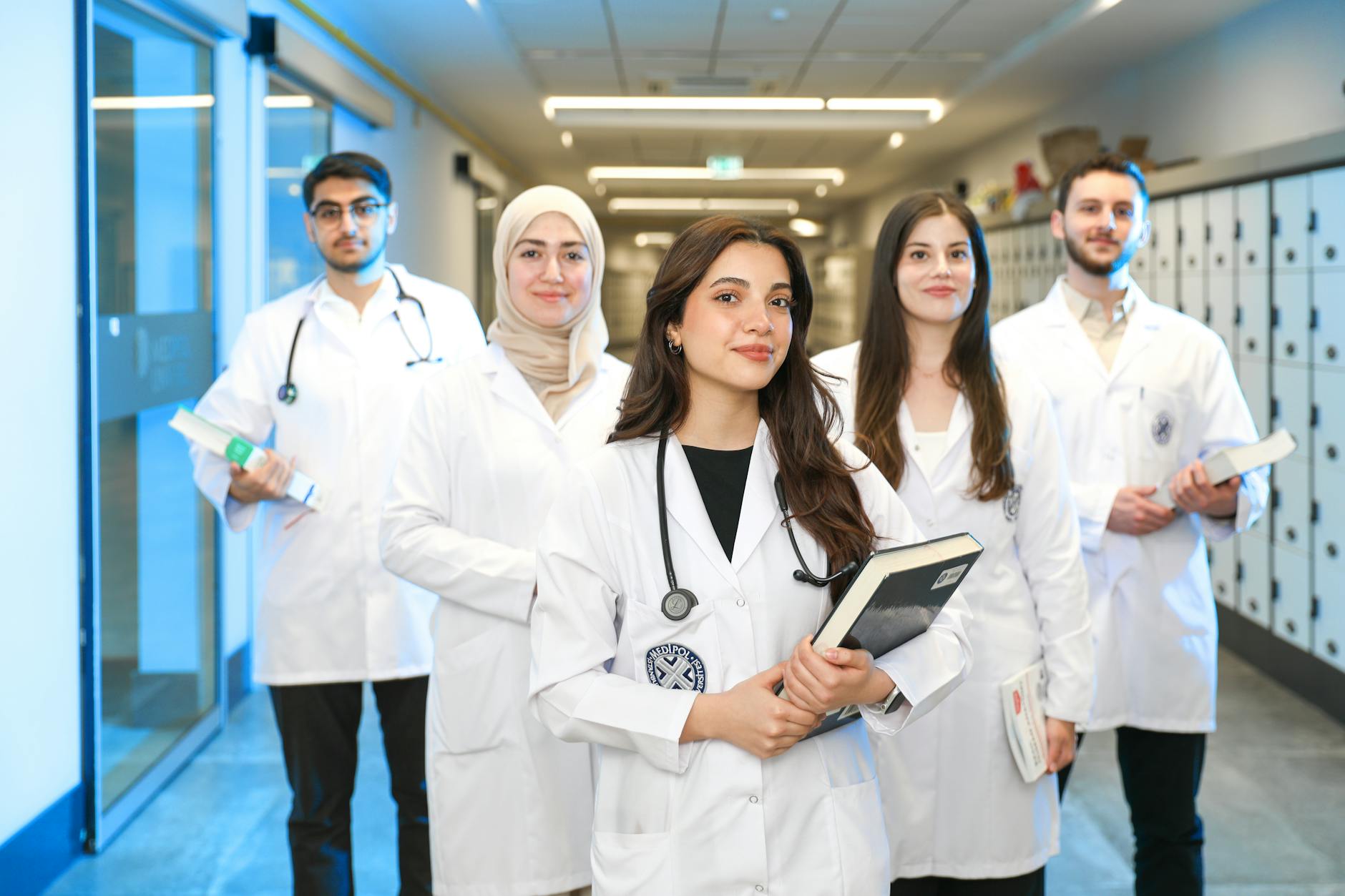
Rotations take place at the major hospital complexes, including Molinette (Città della Salute e della Scienza) and San Luigi Gonzaga. Under supervision, Indian students conduct patient interviews and physical examinations. Since patients primarily speak Italian, reaching a B1/B2 level of Italian proficiency by this stage is crucial for effective communication.
Afternoon — Departmental lectures
After a quick lunch, the afternoon is spent in departmental lectures focused on specialized fields like Cardiology, Respiratory Diseases, or Surgery. These lectures are designed to integrate clinical findings with theoretical knowledge.
Evening — Case review, FMGE prep, social
For Indian students, evenings in the later years often involve a dual focus: preparing for Italian oral exams and starting early preparation for the FMGE (Next) exam for those planning to return to India. Group study remains a vital support system during this high-pressure phase.
Weekly Schedule — Pre-Clinical Year
| Day | Morning | Afternoon | Evening |
|---|---|---|---|
| Monday | Anatomy Lecture | Histology Lab | Self-study / Library |
| Tuesday | Biochemistry | Physiology Seminar | Italian Language Class |
| Wednesday | General Pathology | Simulation Centre | Gym / Sports |
| Thursday | Cells & Molecules | Anatomy Dissection | Group Study |
| Friday | Physics & Stats | Student Association Meet | Social / Aperitivo |
| Saturday | Self-study | Grocery Shopping | Weekend Relaxation |
| Sunday | Rest | Exam Prep | Meal Prep for Week |
Weekly Schedule — Clinical Year
| Day | Morning | Afternoon | Evening |
|---|---|---|---|
| Monday | Internal Medicine Ward | Cardiology Lecture | Case Review / FMGE Prep |
| Tuesday | General Surgery Rotation | Surgical Seminars | Library Research |
| Wednesday | Pediatrics Ward | Gastroenterology | Social / Dinner out |
| Thursday | Emergency Medicine | Neurology Lecture | Thesis Research |
| Friday | OB/GYN Rotation | Clinical Case Quiz | Weekend Trip Planning |
| Saturday | Hospital Volunteering | Self-study | City Events |
| Sunday | Rest | Exam Revision | Preparation for Monday |
Academic Culture at University of Turin
The academic culture in Italy is significantly different from the Indian model. The most notable difference is the oral exam system. After passing a written qualifying exam, students must face a professor for a 20-30 minute oral dialogue. This tests not just memory, but deep understanding and communication skills. Attendance is strictly monitored (usually 66% to 75% required), and there is no continuous assessment like monthly tests—your entire grade often depends on one final exam session.
Indian students, used to the NEET-prep MCQ style, must adapt to this “monologue and dialogue” system. It encourages a holistic understanding of medicine, moving away from rote memorization toward critical clinical reasoning.
Social Life in Turin as an MBBS Student
Turin is a vibrant, “young” city with over 79,000 students. The social life for an MBBS student is a mix of Indian traditions and international exposure. The Erasmus Student Network (ESN) organizes frequent events, from city tours to international dinners. Indian students often form their own communities, celebrating festivals like Diwali and Holi, which helps mitigate homesickness. The city’s location is also perfect for weekend trips; the Alps are less than an hour away for hiking and skiing, and Milan is a short train ride away.
Mental Health & Wellbeing Support
The rigors of medical school, combined with living in a new country, can be taxing. The University of Turin offers dedicated international student support services to help with administrative hurdles and mental wellbeing. Academic pressure is real, but the collaborative nature of the student body—where seniors often share notes and “surveys” of exam questions—provides a strong safety net. Balancing the 20-hour weekly work allowance with studies is another way many students manage their cost of living Italy while staying productive.
FAQs
Is the University of Turin good for Indian medical students?
Yes, it is highly prestigious and offers a globally recognized 6-year English MBBS degree. The focus on simulation and clinical research makes it an excellent choice for those looking for European or US residency.
How much does it cost to live in Turin as a student?
On average, students spend between €800 and €1,200 per month. This includes rent (approx. €400-€600 for a private room), food, and transport. It is generally more affordable than Milan.
Do I need to learn Italian for the MBBS program?
While the lectures are in English, learning Italian to at least a B2 level is mandatory for clinical rotations starting in the third year to interact with patients effectively.
Are there scholarships available at UniTo?
Yes, Indian students can apply for the EDISU Piemonte scholarship, which can provide a tuition waiver, free canteen meals, and a yearly stipend based on financial need.
How do I apply for the Italy Student Visa?
After passing the IMAT exam and securing a seat, you must apply through the Italy student visa process via VFS Global, which requires proof of funds and health insurance.
What is the IMAT cutoff for the University of Turin?
The non-EU cutoff varies each year but typically ranges between 45 and 55 points. It is competitive, so early preparation is key.
Want to Experience Life at Turin?
Navigating the journey to the University of Turin requires careful planning, from IMAT prep to the visa process. Our team at Indian Students Community specializes in helping students transition smoothly into the Italian medical system. Whether you need help with document legalization or finding the right accommodation in Turin, we are here to support you. Book a free consultation today and take the first step toward your medical career in Europe.