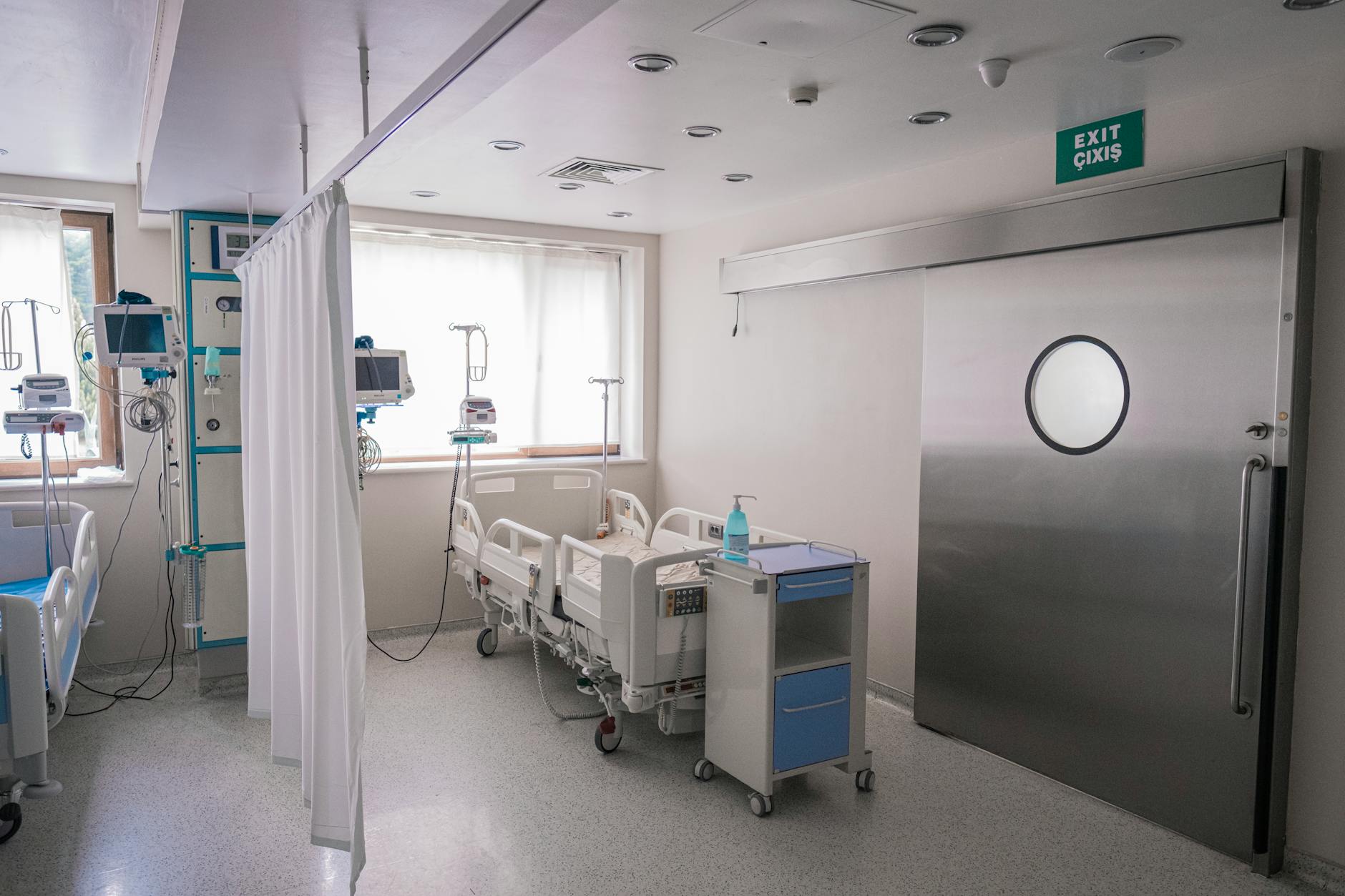
Clinical Training at University of Pisa: Teaching Hospital, Rotations & Patient Exposure
For Indian students aspiring to become world-class doctors, the University of Pisa clinical training MBBS teaching hospital experience offers a prestigious gateway into European medical standards. Ranked #328 in the QS World University Rankings, the University of Pisa provides a robust 6-year MBBS in Pisa program that balances rigorous scientific theory with extensive bedside learning. This guide explores how the clinical phase at Pisa prepares Indian graduates for global success and the MBBS in Italy journey.
When Does Clinical Training Begin at University of Pisa?
The medical curriculum at the University of Pisa is structured into two distinct phases to ensure students have a strong theoretical foundation before entering the wards.
- Pre-clinical Years (1–3): The first two and a half years focus on “Basic Sciences.” Students cover subjects like Human Anatomy, Biochemistry, Physiology, and Microbiology. While primarily lecture-based, students still engage in laboratory work and early clinical methodology simulations.
- Clinical Years (3–6): Clinical immersion officially begins in the second semester of the third year. From this point forward, students transition from lecture halls to the hospital environment, spending their mornings in various departments of the university’s teaching hospital network.
Teaching Hospital — Azienda Ospedaliero-Universitaria Pisana
The primary site for University of Pisa clinical training MBBS teaching hospital rotations is the Azienda Ospedaliero-Universitaria Pisana (AOUP). This is one of the largest and most specialized hospital complexes in Italy.
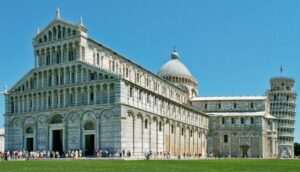
- Hospital Profile: AOUP operates across two main sites: the historic Santa Chiara hospital near the Leaning Tower and the modern Cisanello complex. With over 1,100 beds and approximately 5,000 employees, it serves as a tertiary referral center for the entire Tuscany region.
- Specialties & Reputation: The hospital is globally recognized for its excellence in endocrinology (specifically thyroid surgery), organ transplants, and robotic surgery. It also houses a Level II DEA (Department of Emergency and Acceptance), providing high-level trauma care.
- Benefits for Indians: For Indian students, training at AOUP means exposure to advanced medical technologies and diverse pathologies rarely seen in private Indian colleges. The hospital’s emphasis on evidence-based medicine and patient-centric care provides a significant advantage when applying for residency or returning to practice via the NExT/FMGE pathway.
Year-by-Year Clinical Rotation Schedule
The University of Pisa ensures a systematic progression of clinical skills through a structured rotation schedule.
| Year | Phase | Rotation / Subject | Duration | Key Clinical Skills Developed |
|---|---|---|---|---|
| Year 3 | Introductory | Semiotics, Imaging, Clinical Methodology | 1 Semester | Physical examination, history taking, and interpretation of basic diagnostic imaging. |
| Year 4 | Core Specialties | Internal Medicine, General Surgery, Pharmacology | Full Year | Diagnostic reasoning, pharmacological management, and understanding systemic diseases. |
| Year 5 | Advanced Specialties | Paediatrics, OB-GYN, Neurology, Psychiatry, Oncology | Full Year | Specialized patient care, surgical assisting, and multidisciplinary treatment planning. |
| Year 6 | Final Internship | Emergency Medicine, Primary Care, Thesis Research | Full Year | Clinical autonomy, acute care management, and scientific research methodology. |
Specialties Covered in Clinical Rotations
During their time at the University of Pisa, students rotate through a comprehensive range of medical and surgical departments, including:
- Internal Medicine & Cardiology: Managing chronic conditions and cardiovascular health.
- General Surgery: Exposure to minimally invasive and robotic surgical techniques.
- Paediatrics & Obstetrics/Gynaecology: Maternal and child healthcare.
- Psychiatry & Neurology: Mental health and complex neurological disorders like Parkinson’s and Alzheimer’s.
- Emergency Medicine: High-pressure training in the Level II Trauma Center.
- Oncology & Radiology: Advanced cancer treatments and nuclear medicine.
Language in the Clinical Setting
While the MBBS program is taught in English, the clinical setting is naturally Italian-speaking. Effective communication is vital for patient safety and learning.
- Patient Interaction: Indian students must interact with local patients in Italian. The university expects students to achieve B1/B2 proficiency by the start of the third year.
- Support Systems: The University of Pisa offers Italian language courses specifically designed for medical students to help them master clinical terminology.
- Coping Mechanisms: Most Indian students find that their vocabulary grows rapidly once they are on the wards. Doctors and residents often speak English and can assist during complex discussions, but the patient-student bond is built through Italian.
Research & Thesis Opportunities
The University of Pisa is a research powerhouse, closely linked with the National Research Council (CNR). In the final year, students must complete a mandatory research thesis (15 CFU).
- Publication Pathways: Many students collaborate with professors to publish findings in international journals.
- Innovation Centers: Access to cutting-edge research in oncology, neuroscience, and biomedical engineering.
- Global Mobility: Students can utilize Erasmus+ programs to conduct part of their research or rotations at partner universities across Europe.
University of Pisa Clinical Training vs Indian Medical Colleges
| Factor | University of Pisa (Italy) | Top Govt College (India) | Average Private College (India) |
|---|---|---|---|
| Patient Diversity | High (European & immigrant pathologies) | Very High (Tropical & infectious diseases) | Moderate (Limited by cost) |
| Infrastructure | Advanced (Robotics, PET-CT, high-end labs) | Varies (High patient load, older tech) | Good (Modern but often profit-driven) |
| Clinical Autonomy | Supervised & progressive | High (Early hands-on due to volume) | Low (Observational mainly) |
| Research Access | Excellent (Integrated with CNR) | Moderate | Minimal |
| Global Recognition | High (EU Degree, WHO/NMC recognized) | High (Reputation based) | Varies |
How University of Pisa’s Clinical Training Prepares Indian Students for FMGE/NExT
The clinical training at Pisa is highly compatible with the requirements of the National Exit Test (NExT) in India. The focus on clinical reasoning and evidence-based protocols directly aligns with the clinical vignettes featured in modern licensing exams. Exposure to high-quality IMAT exam standards ensures that students maintain a high level of academic discipline, which is essential for clearing the FMGE with high scores.
A Realistic Clinical Year Day at Pisa
What does a typical day look like for an Indian medical student in Pisa? It is a demanding yet rewarding routine:
- 08:00 AM – 01:00 PM: Hospital rotations. This includes ward rounds, assisting in the outpatient clinic, or observing surgeries in the Cisanello complex.
- 01:00 PM – 02:00 PM: Lunch at the university canteen (mensa), often discussing cases with international peers.
- 02:00 PM – 05:00 PM: Afternoon lectures or seminars on systematic pathology and advanced clinical subjects.
- Evening: Self-study, Italian language practice, or research work for the graduation thesis.
FAQs
Is the University of Pisa degree recognized in India?
Yes, the degree is recognized by the National Medical Commission (NMC). Graduates are eligible to sit for the FMGE/NExT to practice in India.
Do I need to know Italian for clinical rotations?
Yes, while the lectures are in English, patient interactions are in Italian. You should aim for B2 level proficiency by the third year.
What is the primary teaching hospital for the University of Pisa?
The Azienda Ospedaliero-Universitaria Pisana (AOUP), specifically the Cisanello and Santa Chiara hospitals.
Can I do clinical rotations in other countries?
Yes, through the Erasmus+ program, students can spend a semester or a year at other top European medical schools.
What is the IMAT score required for Pisa?
Cutoff scores vary annually but usually range between 45–55 for Non-EU students. Check our visa guide for more details.
Is the clinical training hands-on?
Yes, especially in the final years, students perform physical exams and assist in procedures under strict supervision.
How expensive is the cost of living in Pisa for students?
Pisa is relatively affordable. Check our cost of living guide for a detailed budget breakdown.
Train at Pisa — Apply with Our Guidance
Navigating the admission process for the University of Pisa can be complex. From IMAT preparation to securing scholarships in Italy, our experts provide end-to-end support for Indian families. Contact us today to start your journey toward becoming a doctor in Italy.