Weather & Lifestyle in Pavia for Indian Students: Seasons, Clothing & Adapting
For many Indian families, the dream of studying abroad often begins with choosing the right course and university. However, understanding the day-to-day reality of living in a new country is equally vital for success. If you are planning to study at the University of Pavia, one of your primary considerations should be how to navigate the weather Pavia Italy Indian students lifestyle. Unlike the tropical or subtropical climates most Indians are used to, Pavia offers a distinct four-season experience that influences everything from your monthly budget to your social life. This guide provides a comprehensive breakdown of what to expect, how to pack, and how to settle into the charming rhythm of this historic Italian city.
Pavia is located in the Lombardy region, nestled in the Po Valley. This location means the city experiences humid summers and cold, foggy winters. For an Indian student, the transition from a climate where the main variations are “hot,” “hotter,” and “monsoon” to a place where the temperature can drop below freezing requires both mental and physical preparation. Whether you are coming for MBBS in Pavia or pursuing engineering in Pavia, mastering the local climate is the first step toward a comfortable and productive academic journey.
Pavia Climate vs India — Key Differences
The Italian seasons follow a strict calendar, and the weather changes are quite predictable compared to the unpredictable monsoon shifts in India. Understanding these cycles helps you manage your cost of living in Italy, especially regarding seasonal utility spikes.
| Season | Months | Temp Range °C | What to Expect | Clothing Needed |
|---|---|---|---|---|
| Spring | March–May | 8°C – 23°C | Pleasant days, blooming flowers, occasional light rain. | Light jackets, sweaters, cotton layers. |
| Summer | June–August | 18°C – 31°C | Hot and humid, clear skies, very long days (sunsets at 9 PM). | Light cottons, linens, sunglasses, sunscreen. |
| Autumn | September–November | 7°C – 20°C | Cooling down, beautiful fall colors, increasing fog and rain. | Trench coats, waterproof jackets, warm layers. |
| Winter | December–February | -1°C – 8°C | Cold, crisp air, frequent fog, rare snowfall. | Heavy woolens, thermal wear, down jackets, gloves. |
Winter in Pavia — What Indian Students Must Know
Winter is perhaps the most significant adjustment for students arriving from India. From late November to February, the temperatures frequently hover near freezing. While the sight of a frost-covered Ticino river is beautiful, the cold is “wet” due to the humidity of the Po Valley, which makes it feel sharper than dry cold. You must secure your Italy student visa well in advance to ensure you arrive before the peak winter settles in, allowing you time to buy local winter essentials.
Heating and Utilities: Unlike India, where fans or ACs are the main appliances, Italian homes rely on “Riscaldamento” (heating). Most apartments use gas-powered radiators. Heating bills can spike significantly, ranging from €80 to €150 per month depending on the apartment’s energy class and your usage. It is crucial to understand whether your rent includes heating (“spese incluse”) or if it is “autonomo” (independent), where you control the thermostat and pay the full bill. Some modern apartments use heat pumps, which are more energy-efficient but can be expensive to run if used incorrectly.
Seasonal Health: Many Indian students experience “Winter Blues” or Seasonal Affective Disorder (SAD) during their first year. The sun sets as early as 4:30 PM in December, which can be jarring. To combat this, ensure you maintain a social life, take Vitamin D supplements after consulting a doctor, and keep your living space well-lit. Understanding the scholarships in Italy available to you can also ease the financial stress that often compounds seasonal low moods.
- Winter Essentials: Invest in high-quality thermal innerwear (Uniqlo’s Heattech is a student favorite).
- Layering: The secret to Italian winter is layering—a thermal, a shirt, a sweater, and a heavy coat.
- Radiators: Do not block radiators with furniture, as this prevents heat circulation and increases your bills.
Summer — Exam Season Coincides with Heat
Summer in Pavia can be surprisingly intense. Temperatures often reach 30°C or higher, and the humidity can make it feel quite oppressive. This period is particularly challenging because the main summer exam session falls in June and July. Unlike in many Indian cities, air conditioning is not universal in Italian student housing. Many older buildings are designed to keep the heat out with thick walls and shutters, but you may still need a good electric fan.
This is also the peak season for part-time work. With tourists flocking to nearby Milan and the local population heading to the coast for holidays, many service sector jobs become available. However, most Indian students find that July is best spent in the university library, which is usually well-air-conditioned and provides a quiet refuge for study. If you are staying in Pavia during the summer break, be aware that many small shops and family-run restaurants close for two weeks in August (Ferragosto).
Clothing & What to Pack from India
Parents often worry about packing enough clothes. While it is tempting to fill suitcases with heavy sweaters from India, it is often better to buy heavy winter gear in Italy. The materials used in European winter wear are specifically designed for the local temperatures.
- Bring from India:
- A good supply of cotton t-shirts and light jeans for spring and summer.
- A few sets of traditional Indian wear for festivals like Diwali or Holi celebrated by the student community.
- A lightweight windcheater or raincoat for the transition months.
- Comfortable walking shoes (you will walk a lot more than you do in India).
- Buy in Italy:
- Heavy down jackets or wool coats (brands like Decathlon or OVS offer affordable options).
- Waterproof boots for rainy or slushy days.
- High-quality umbrellas (cheap ones will break in the first Pavia windstorm).
- Formal attire for presentations or interviews (Milan is the fashion capital, and sales happen in January and July).
Seasonal Utility Costs
Budgeting is a core part of the university experience. In Pavia, your utility costs will vary drastically between seasons. It is wise to set aside a “buffer” fund during the mild spring months to cover the heavier winter gas bills.
| Season | Heating/Cooling Add-on (EUR/month) | Total Utilities Est. (including WiFi/Waste) |
|---|---|---|
| Spring | €0 – €20 | €60 – €80 |
| Summer | €20 – €50 (Fan/AC usage) | €80 – €110 |
| Autumn | €30 – €60 | €90 – €120 |
| Winter | €80 – €150 | €140 – €220 |
Lifestyle Differences — India vs Pavia
Daily Rhythm
The daily schedule in Pavia is quite different from the typical 9-to-5 or early-dinner culture in many parts of India. Italians value their “pausa pranzo” (lunch break), where many shops close between 1:00 PM and 3:30 PM. Dinner is a late affair, rarely starting before 8:00 PM. Before dinner, the “Aperitivo” culture is king. Between 6:30 PM and 8:30 PM, students head to bars in Piazza della Vittoria to enjoy a drink and a buffet of snacks. For the price of one cocktail (€8-€12), you often get access to enough food to serve as a light dinner—a great hack for students on a budget.
Social Norms
Adapting to Italian social etiquette is part of the fun. Handshakes are standard for first meetings, but among friends, two light kisses on the cheeks (left then right) are common. In shops and cafes, always greet the staff with a “Buongiorno” (morning) or “Buonasera” (evening); it is considered rude to start an order without a greeting. Queue etiquette is generally respected, but it can feel more chaotic than in some Western countries—don’t be afraid to assert your place politely. Tipping is not mandatory in Italy, as a service charge (“coperto”) is usually added to your restaurant bill.
Weekend Culture
Pavia is a quintessential university town, meaning the weekends are designed for relaxation and exploration. On Saturday mornings, the local markets near the Castello Visconteo are the best places to find fresh, affordable produce. Sunday is a quiet day where most locals take a “passeggiata” (slow walk) along the Strada Nuova or the riverside. Indian students often organize cricket matches in the parks or community potlucks. Because Pavia is so well-connected, many students also use weekends for day trips to explore the wider region of Lombardy and beyond.
Best Day Trips from Pavia for Indian Students
One of the biggest advantages of living in Pavia is its strategic location. Using your student railcard, you can explore some of Italy’s most iconic sites for the price of a few pizzas.
- Milan: Just 30 minutes by regional train (€4.10). Explore the Duomo, the Galleria, and the world-class shopping districts.
- Vigevano: A 40-minute bus or train ride. It boasts one of Italy’s most beautiful Renaissance squares, the Piazza Ducale.
- Genoa: Reach the Italian coast in about 1.5 hours (€10-€15). Perfect for seeing the sea and enjoying authentic pesto.
- Lake Como: Take a train to Milan and then to Como (total 1.5 hours, approx. €10). Experience the breathtaking Alpine lake scenery made famous by Hollywood.
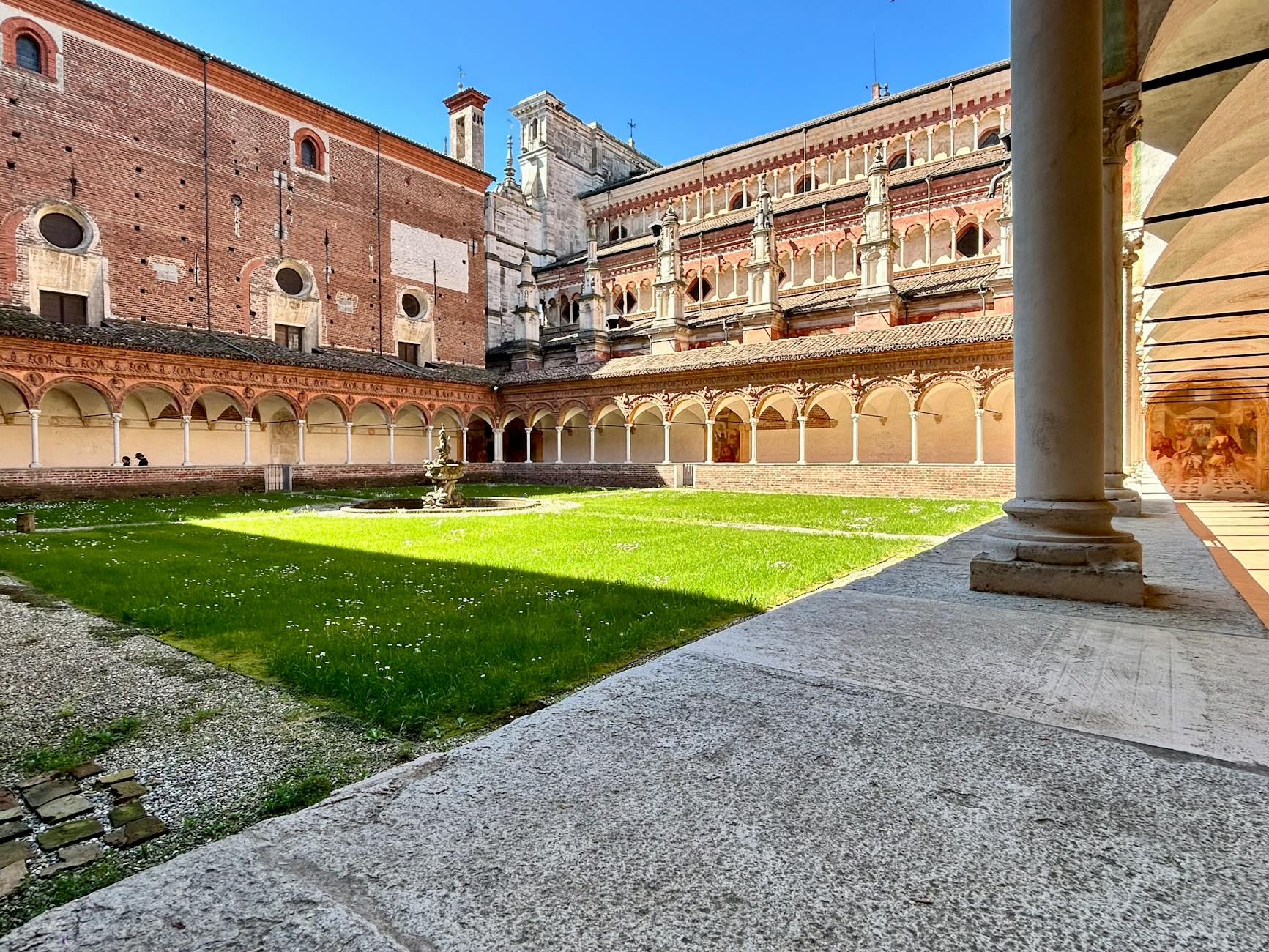
- Certosa di Pavia: Only 8km from the city center. This stunning monastery is reachable by a quick bus or a pleasant bike ride through the countryside.
FAQs
Is it very difficult for Indians to adjust to Pavia’s weather?
The first winter is usually the biggest challenge. However, with proper layering and high-quality winter clothing purchased locally, most Indian students adapt within a few months. The summers are actually quite similar to the milder summer months in North India.
How expensive is heating in Pavia?
Heating is the largest seasonal expense. In a shared apartment, expect to pay between €40 and €75 per person during the peak winter months (December to February). Always check if your rent is “all-inclusive” to avoid surprises.
What should I pack from India for the weather?
Focus on light cotton layers, one good raincoat, and enough innerwear. Avoid bringing heavy woolens from India as they are often not windproof or waterproof enough for the Italian “wet cold.”
Do I need an air conditioner in Pavia during summer?
Most student accommodations do not have AC. A powerful standing fan and keeping your shutters closed during the day (the Italian way) are usually sufficient to manage the heat.
How does the weather affect student social life?
In spring and summer, social life revolves around the piazzas and the riverside. In winter, it shifts indoors to cozy cafes, libraries, and student kitchens for “spaghetti dinners.”
Are there many Indian festivals celebrated in Pavia?
Yes! The Indian student community at the University of Pavia is vibrant. Diwali and Holi are celebrated with great enthusiasm, often with the support of the local international student office.
Ready for Life in Pavia?
Navigating a new climate and culture is a journey of growth. If you have more questions about moving to Italy or need assistance with your university applications and visa process, we are here to help. Contact us today for expert guidance on your study abroad journey!