A Day in the Life of an MBBS Student at University of Florence: Real Indian Student Experience
Choosing to study medicine in Italy is a life-changing decision. For many of us, the MBBS student life University of Florence Florence daily routine is a blend of intense academic rigor, breathtaking Renaissance architecture, and the practical challenges of living far from home. As a public institution ranked globally at #296, the University of Florence (UniFi) offers a world-class MBBS in Italy that is both affordable and globally recognized.
Whether you are just starting your IMAT exam preparation or have already secured your seat, understanding the day-to-day reality of a medical student in Florence is essential for both students and parents.
First Impressions — What Indian Students Really Say About University of Florence
When you first arrive in Florence, the beauty of the city is overwhelming. However, as an Indian student, the academic shift is the first thing you notice. Unlike the rote learning often found in India, the University of Florence emphasizes a deep, conceptual understanding of medical sciences.
Students often highlight:
- The stunning historical campuses integrated into the city fabric.
- The high standards of the Azienda Ospedaliero-Universitaria Careggi, the main teaching hospital.
- The initial “culture shock” of the Italian oral exam system.
- The warmth of the local community once you break the language barrier.
Pre-Clinical Years (Year 1–3) — A Typical Day
The first three years of the Laurea Magistrale in Medicina e Chirurgia focus on the foundational sciences. Your schedule is packed with theory, but the university ensures early exposure to the medical environment.
07:00–12:00 — Morning Lectures (Anatomy, Physiology, Biochemistry)
My day usually starts early. Most lectures begin at 8:30 or 9:00 AM. In the pre-clinical years, we spend most of our mornings in large lecture halls. Professors at UniFi are often leading researchers in their fields. The primary keyword “MBBS student life University of Florence Florence daily routine” truly comes alive here, where you are surrounded by international peers discussing complex biochemical pathways before your first espresso.
12:00–14:00 — Lunch Break (canteen, piazza, or home cooking)
Lunch is a vital part of the Italian day. Most students use their “Studente della Toscana” card to access university canteens (Mensa), which offer balanced meals at a very low cost. Sometimes, we grab a quick panino in a nearby piazza or head home to cook a quick Indian meal to save on the cost of living in Italy.
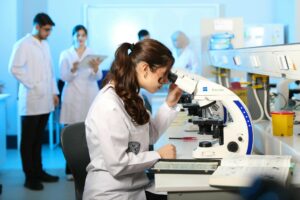
14:00–17:00 — Lab Practicals / Seminars
Afternoons are usually reserved for practical work. This includes histology labs, dissection sessions (where available), or small-group seminars. These sessions are crucial for building the hands-on skills required for the MBBS in Florence.
17:00–22:00 — Self-Study, Library, Social Time
The library at Viale Morgagni is a second home for many. Since Italian exams are primarily oral, you spend hours explaining concepts to your “study buddies.” Evening is also the time to catch up with the Indian student community or attend an ESN (Erasmus Student Network) event.
Clinical Years (Year 3–6) — A Typical Day at Azienda Ospedaliero-Universitaria Careggi
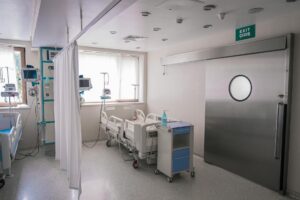
In the second half of the program, the focus shifts entirely to the hospital. The Azienda Ospedaliero-Universitaria Careggi is one of the largest and most advanced hospitals in Italy.
06:30–08:00 — Ward Round Preparation
Clinical days start earlier. By 7:30 AM, we are usually at the hospital, reviewing patient charts and preparing for the morning rounds with the attending physicians.
08:00–13:00 — Clinical Rotations / Bedside Teaching
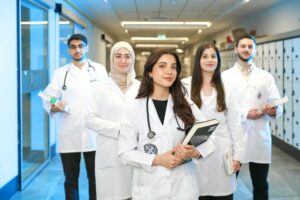
This is where the real learning happens. We rotate through various departments like Internal Medicine, Surgery, Pediatrics, and Cardiology. Bedside teaching is intensive, and while the program is in English, learning basic Italian is essential to communicate with patients.
13:00–15:00 — Departmental Lecture or Case Discussion
Lunch is often a quick bite at the hospital canteen followed by a specialized lecture or a case presentation where students discuss interesting patient cases encountered during the morning.
15:00–22:00 — Case Review, FMGE Prep, Social
For Indian students, the evening often includes a few hours dedicated to FMGE/NExT preparation, ensuring we stay on track for medical licensing back home.
Weekly Schedule — Pre-Clinical Year
| Day | Morning | Afternoon | Evening |
|---|---|---|---|
| Monday | Anatomy Lecture | Histology Lab | Library / Review |
| Tuesday | Physiology Lecture | Biochemistry Seminar | Indian Community Meetup |
| Wednesday | Anatomy Lecture | Physics Practical | Self-Study |
| Thursday | Biochemistry Lecture | Physiology Lab | Sports / Gym |
| Friday | General Pathology | Elective Course | Social Event |
| Saturday | Self-Study | City Walk | Relax / Household Chores |
| Sunday | FMGE Prep | Meal Prep | Call Home / Relax |
Weekly Schedule — Clinical Year
| Day | Morning | Afternoon | Evening |
|---|---|---|---|
| Monday | Surgery Rotation | Case Discussion | Study for Oral Exam |
| Tuesday | Internal Medicine | Departmental Lecture | NExT/FMGE Prep |
| Wednesday | Pediatrics Rotation | Clinical Skills Lab | Self-Study |
| Thursday | Cardiology Rotation | Research Meeting | Library Session |
| Friday | Emergency Medicine | Patient Follow-up | Evening in the City |
| Saturday | Optional Ward Round | Academic Review | Social / Travel |
| Sunday | Personal Study | Self-Care | Preparation for Week |
Academic Culture at University of Florence — What Surprises Indian Students
The Italian medical education system has several unique features that can be surprising:
- The Oral Exam Tradition: Most exams are oral, requiring you to speak fluently and confidently about medical topics in front of a committee.
- Attendance Expectations: Attendance is strictly monitored (usually 66-75% required) to sit for exams.
- Self-Directed Learning: While professors provide the framework, the depth of your knowledge depends on your independent reading of standard textbooks.
Social Life in Florence as an MBBS Student
Living in Florence is not just about the universities; it’s about the experience. As an MBBS student, you will:
- Join Indian student groups for Diwali and Holi celebrations.
- Participate in ESN events to meet students from across Europe.
- Enjoy weekend trips to the Tuscan countryside or nearby cities like Pisa and Rome via the efficient Italian rail network.
Mental Health & Wellbeing
Moving to Italy on a student visa can be stressful. The University of Florence provides dedicated psychological support services for international students. Managing homesickness and exam pressure is easier when you lean on the strong Indian student community in Florence.
FAQs
1. Is the MBBS degree from University of Florence recognized in India?
Yes, the degree is recognized by the NMC (formerly MCI) and WHO, making you eligible for the FMGE/NExT exam.
2. Do I need to learn Italian for the English-taught program?
While the lectures are in English, learning Italian is mandatory for clinical rotations to interact with patients.
3. What is the average monthly budget for an Indian student in Florence?
Including rent, food, and transport, the cost is approximately €700 to €900 per month, though scholarships in Italy can significantly reduce this.
4. Can I work part-time while studying MBBS?
Italian law allows students to work 20 hours per week, but the medical curriculum is very demanding.
5. How is the hospital training at Careggi?
Azienda Ospedaliero-Universitaria Careggi is a top-tier teaching hospital providing excellent clinical exposure and research opportunities.
6. Are there Indian restaurants in Florence?
Yes, there are several Indian restaurants and grocery stores where you can find familiar spices and ingredients.
Want This Life? Apply to Florence MBBS
Ready to start your medical journey in one of the most beautiful cities in the world? We help Indian students navigate the entire process—from IMAT coaching to visa assistance.