Clinical Training at University of Bari Aldo Moro: Teaching Hospital, Rotations & Patient Exposure
Choosing the right institution for medical studies is a pivotal decision for Indian students. The University of Bari Aldo Moro clinical training MBBS teaching hospital system offers a unique Mediterranean experience that combines rigorous academic standards with extensive practical exposure. Located in the vibrant heart of Puglia (Apulia), this university provides a gateway for Indian aspirants to gain world-class medical education within the MBBS in Italy framework.
For parents and students researching the best options, understanding the clinical phase is crucial. Unlike many domestic programs, the University of Bari (UniBa) integrates students into one of Southern Italy’s largest hospital networks, ensuring that graduates are not just theoretically sound but clinically proficient. Whether you are still preparing for the IMAT exam or have already secured your seat, this guide breaks down the clinical journey at UniBa.
Practical training here is deeply rooted in the Italian tradition of “clerkships,” where students transition from the classroom to the wards of the Policlinico di Bari. This exposure is essential for meeting international standards and ensuring a smooth transition for those planning to return to India or practice globally.
Clinical Training Structure at University of Bari Aldo Moro
The Medicine and Surgery program at UniBa, specifically the Bari English Medical Curriculum (BEMC), follows a six-year single-cycle master’s degree structure. This timeline is broadly divided into two primary phases:
- Pre-clinical Phase (Years 1–3): The focus is on building a solid foundation in basic sciences such as Anatomy, Physiology, and Biochemistry. While the early years are lecture-heavy, UniBa has recently introduced integrated courses like “Nursing Sciences” in the first year to familiarize students with healthcare roles early on.
- Clinical Phase (Years 3–6): This phase involves an intensive immersion in patient care. Starting from the second semester of the third year, the focus shifts toward “Professionalizing Educational Activities” (AFP) and clinical rotations.
Indian students should note that attendance is strictly mandatory, often requiring 67% to 75% presence in lectures and clerkships. This discipline ensures that by the time you reach the final year, you are ready for the mandatory “Tirocinio Pratico Valutativo” (TPV)—a practical internship required for graduation and immediate medical licensing within the EU.
Teaching Hospital — Policlinico di Bari
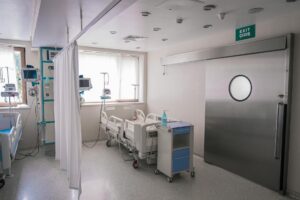
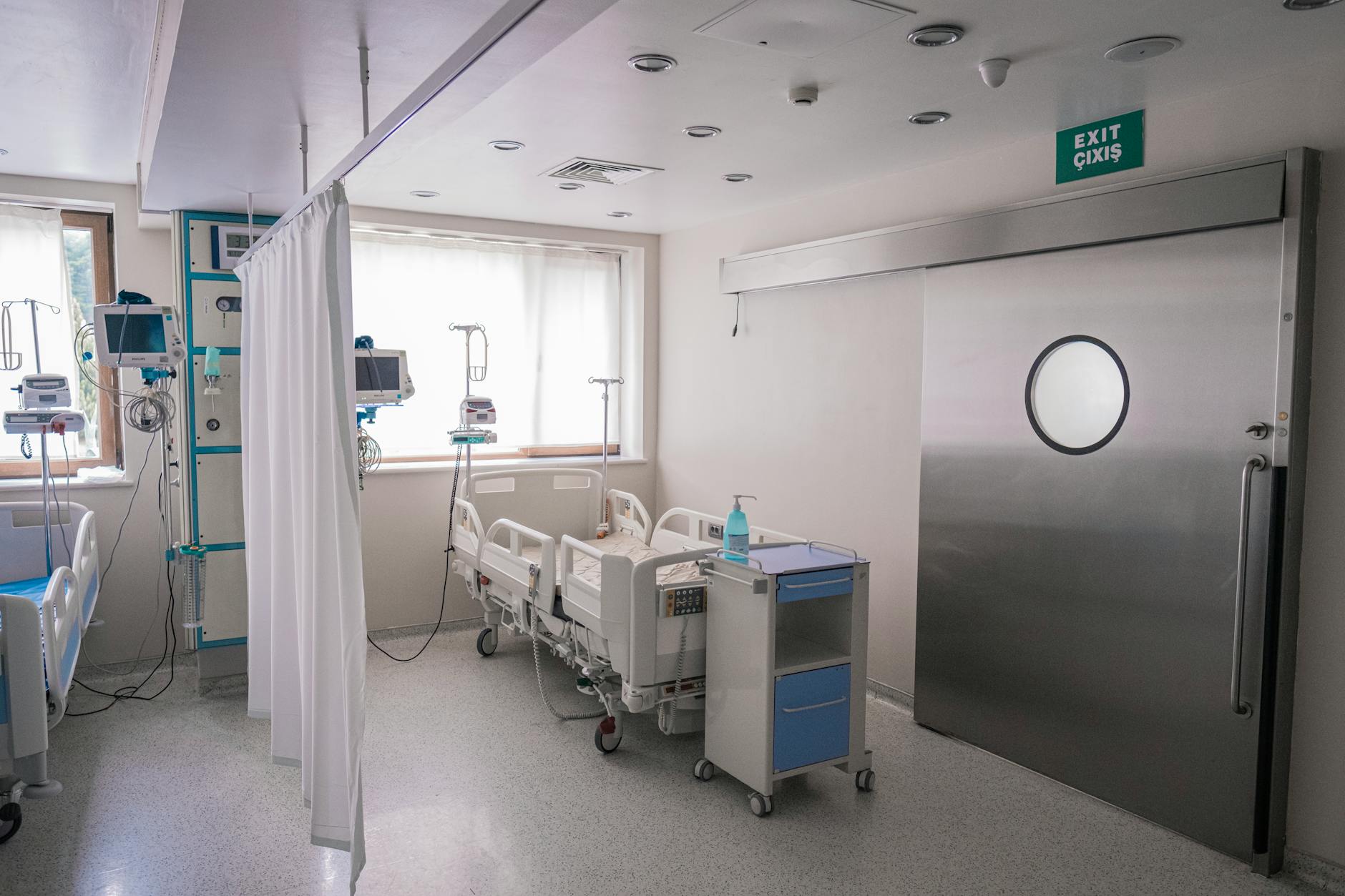
The cornerstone of the University of Bari Aldo Moro clinical training MBBS teaching hospital experience is the Policlinico di Bari. This is not just a hospital but a massive “hospital city” located in the Picone district, right next to the university campus.
- Hospital Profile: Established as a primary teaching hub, it features over 1,500 beds and more than 30 specialized pavilions. It serves as a major referral center for the entire Mediterranean basin.
- Significance: Serving the diverse population of Puglia (Apulia), the hospital offers a high case load. This provides Indian students with exposure to a wide variety of medical conditions, from common lifestyle diseases to rare genetic disorders.
- Specialized Centers: The complex includes the Giovanni XXIII Pediatric Hospital, a dedicated center for pediatric excellence, ensuring students get specialized training in child health.
- Research Reputation: The hospital is affiliated with the European Reference Networks (ERNs) for rare diseases and maintains collaborations with institutions like Harvard Medical School.
Living in this region also offers a high quality of life. Indian students often find the cost of living in Italy, specifically in Bari, to be more affordable than in northern Italian cities, with shared apartments near the Policlinico ranging from €200 to €400 per month.
Year-by-Year Rotation Schedule
The clinical journey is structured to gradually increase the student’s responsibility. The following table outlines the typical progression for a student at UniBa.
| Year | Phase | Rotation/Department | Duration | Key Skills |
|---|---|---|---|---|
| Year 3 | Intro to Clinics | Semeiotics & Medical-Surgical Methodology | ~238 hours | History taking, physical examination, and interpreting clinical signs. |
| Year 4 | Core Specialties | Cardiology, Respiratory, Neurology, Oncology | ~340 hours | Diagnostic imaging interpretation and ward-based patient management. |
| Year 5 | Advanced Clinicals | Paediatrics, Ob-Gyn, Internal Medicine, Psychiatry | ~400+ hours | Specialized diagnostic reasoning and surgical assistance. |
| Year 6 | TPV & Thesis | Emergency Medicine, Family Medicine, Electives | 300+ hours | Clinical autonomy, emergency response, and thesis research. |
Specialties Covered
The curriculum at UniBa is designed to be comprehensive, ensuring that Indian students are prepared for global licensing exams. During your clinical years, you will rotate through:
- Internal Medicine & Surgery: Comprehensive management of adult diseases and surgical interventions.
- Paediatrics: Specialized training at the Giovanni XXIII Pediatric Hospital.
- Ob-Gyn: Focus on maternal and reproductive health.
- Psychiatry & Neurology: Exposure to mental health and nervous system disorders at the specialized Neuroscience departments.
- Emergency Medicine: Hands-on training in the high-tech “Asclepios” emergency block.
- Cardiology & Oncology: Access to cutting-edge diagnostic and treatment technologies in these high-demand fields.
Language in Clinical Settings at Policlinico di Bari
While the MBBS in Bari English track is taught in English, the clinical setting introduces a vital new element: the Italian language.
Patients in Puglia (Apulia) primarily speak Italian. To effectively interact during rotations, Indian students are required to achieve a B1/B2 level of Italian by the start of the third year. While departmental teaching and scientific discussions are in English, bedside interaction is the “real-world” test. Indian students typically adapt well by taking advantage of university language courses and daily immersion in the local community.
Research Opportunities at University of Bari Aldo Moro
Research is a fundamental pillar of the UniBa experience. The university is known for its excellence in Human Genetics, Infectious Diseases, and Metabolic Disorders.
- Year 6 Thesis: Every student must complete an original research thesis for graduation. Many Indian students choose to conduct clinical research within the Policlinico’s labs.
- Research Labs: Access to the Bioinformatics & Genomics Lab and the Digital Anatomy Suite provides students with tools that are often unavailable in standard medical programs.
- Publications: Faculty members often encourage students to participate in regional health research programs, leading to opportunities for co-authoring scientific papers.
University of Bari Aldo Moro Clinical Training vs Indian Medical Colleges
For Indian parents comparing Bari to options at home, the following comparison highlights the structural differences.
| Factor | Bari (Puglia (Apulia)) | Top Govt College India | Average Private India |
|---|---|---|---|
| Patient Diversity | High (Mediterranean/EU demographic) | Very High (Massive volume) | Moderate to High |
| Infrastructure | Advanced (High-tech simulation/MRI) | Variable (Often overloaded) | Good to Excellent |
| Clinical Autonomy | Supervised (Focus on protocol) | High (Due to patient volume) | Moderate |
| Research Access | High (EU funding/Networks) | Moderate | Low to Moderate |
| NMC Recognition | Fully Recognized (Schedule IV) | Primary Standard | Standard |
FMGE/NExT Readiness from UniBa’s Clinical Training
One of the biggest concerns for Indian students is returning to practice in India. The clinical training at UniBa is well-aligned with the requirements of the FMGE (Foreign Medical Graduate Examination) and the upcoming NExT (National Exit Test).
The emphasis on clinical semeiotics (signs and symptoms) and evidence-based medicine at UniBa mirrors the clinical vignettes now common in Indian licensing exams. Furthermore, because the degree is recognized throughout Europe and complies with EC directives, the transition for those who have secured their Italy student visa and completed their degrees is legally sound under NMC regulations.
Students are encouraged to stay updated on MBBS in Italy fees and scholarship opportunities like DSU, which can cover tuition and living costs, making the path to FMGE readiness financially viable.
A Realistic Clinical Year Day at Bari
What does a day look like for a medical student in Bari?
- 08:00 AM – 01:00 PM: Hospital rotations. You are on the wards, observing procedures, taking patient histories in Italian, and discussing cases with residents.
- 01:00 PM – 02:00 PM: Lunch at the university “Mensa” (canteen), offering subsidized Mediterranean meals.
- 02:00 PM – 05:00 PM: Afternoon lectures or specialized seminars in the BEMC teaching hub.
- Evening: Self-study at the Biomedical Library or Italian language practice with local friends.
FAQs
Is the clinical training at the University of Bari recognized in India?
Yes, the University of Bari Aldo Moro is a public institution recognized by the NMC (National Medical Commission). Graduates are eligible to appear for the FMGE/NExT exam provided they meet the standard residency and duration requirements.
Do I need to be fluent in Italian to study MBBS in Bari?
The course is taught in English. however, for clinical rotations starting in the third year, you need B1/B2 level Italian to communicate with patients. The university provides resources to help you learn.
How many beds does the Policlinico di Bari have?
The Policlinico di Bari complex, including its various specialized pavilions, has over 1,500 beds, making it one of the largest healthcare facilities in Southern Italy.
Are there scholarships available for Indian students in Bari?
Yes, Indian students can apply for scholarships in Italy, specifically the DSU (Right to Study) grants which are based on family income.
Can I practice in the UK or USA after graduating from UniBa?
Yes, because the degree is EU-recognized and the university is WHO-listed, you can apply for the PLAB (UK) or USMLE (USA) pathways after graduation.
How do clinical rotations at UniBa differ from those in India?
In Bari, there is a stronger emphasis on medical technology, research integration, and standardized protocols, whereas Indian colleges often provide higher sheer volume of patients.
Where do most Indian students live in Bari?
Most students live in the Picone district, which is within walking distance of the Policlinico hospital and the medical faculty.
Apply to Bari MBBS — We’ll Guide You
Navigating the admission process for the top universities in Italy can be complex. From IMAT preparation to securing your visa and finding the right MBBS in Bari program, our team is here to support you at every step.
Don’t miss your chance to study at a world-renowned teaching hospital in the heart of Puglia. **Contact us today for a free consultation!**