Weather & Lifestyle in Rome for Indian Students: Seasons, Clothing & Adapting
Navigating the transition from the Indian subcontinent to the Mediterranean heart of Italy involves more than just academic preparation; it requires a deep understanding of the weather Rome Italy Indian students lifestyle patterns. For those enrolled at the University of Rome Tor Vergata, located in the modern EUR district, the experience is uniquely balanced between a focused, studious campus atmosphere and the vibrant, historic pulse of central Rome. Understanding the seasonal shifts and local social norms is essential for Indian students aiming to excel in their MBBS or engineering degrees while enjoying the high quality of life Lazio offers.
Rome Climate vs India — Key Differences
The climate in Rome is significantly different from the tropical or subtropical weather found in most parts of India. While India experiences extreme monsoons and intense heat, Rome follows a Mediterranean pattern with distinct four seasons and moderate rainfall throughout the year.
| Season | Months | Temp °C | What to Expect | Clothing Needed |
|---|---|---|---|---|
| Spring | March – May | 9°C – 24°C | Mild, pleasant days with occasional rain showers. | Light layers, sweaters, and a waterproof jacket. |
| Summer | June – August | 17°C – 32°C | Hot, dry, and humid; very sunny with long daylight hours. | Breathable cottons, sunglasses, and hats. |
| Autumn | September – November | 8°C – 25°C | Crisp air, changing leaves, and the start of the rainy season. | Medium jackets, scarves, and sturdy boots. |
| Winter | December – February | 3°C – 14°C | Cool and damp; rarely snows but can be windy. | Heavy woolens, thermals, and waterproof coats. |
Winter in Rome — What Indian Students Must Know
Winter in Rome is rarely as harsh as in Northern Europe, but for students arriving from India, the damp cold can be a significant adjustment. From December to February, temperatures often hover around 4°C at night. Unlike many Indian homes, Italian apartments rely heavily on central heating.
- Heating Bills: Most student accommodations in Rome include heating in the rent, but if you are in a private flat, be prepared for gas bills between €100 and €180 per month during peak winter.
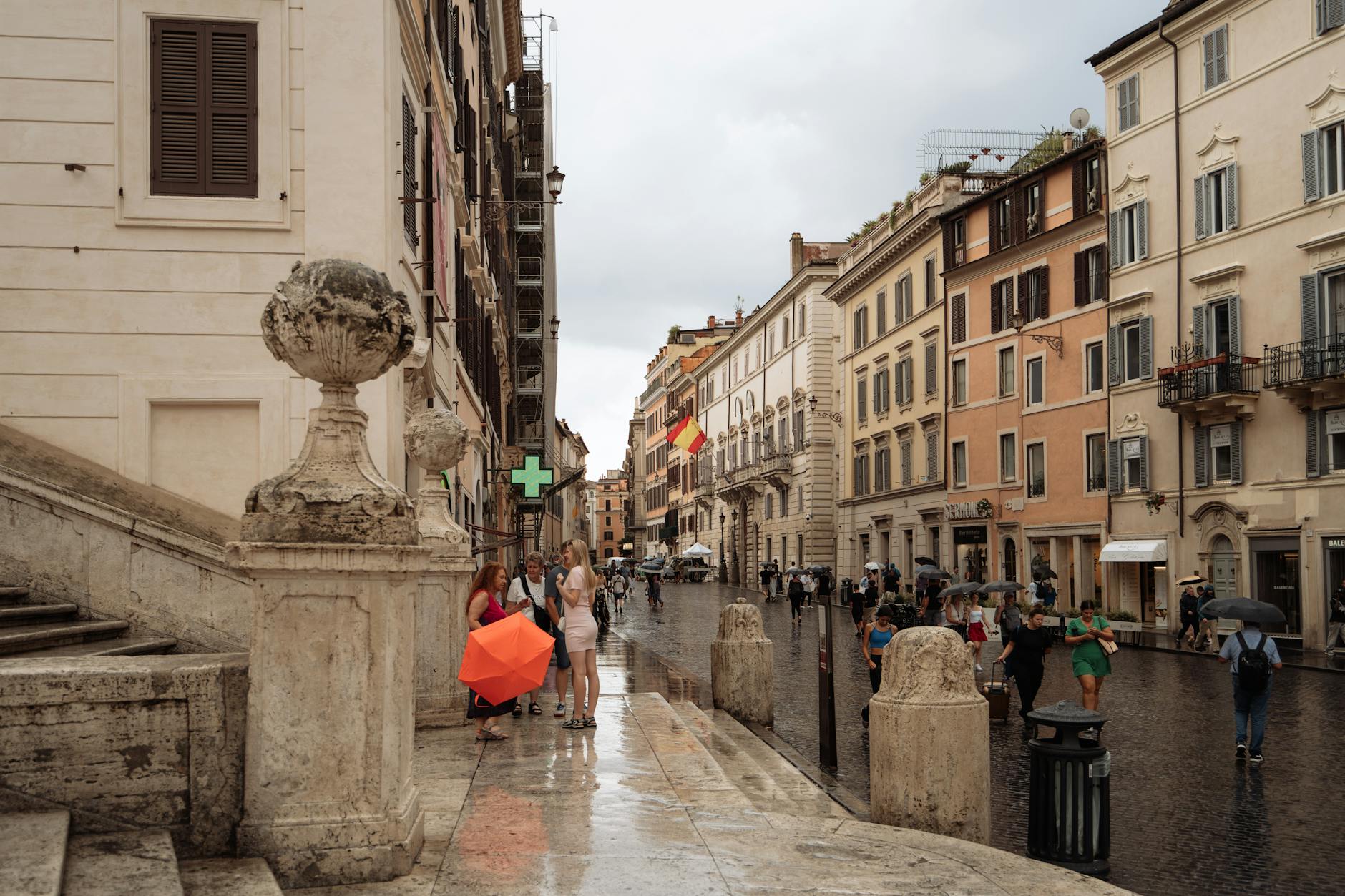
- Warm Clothing Checklist: Invest in high-quality thermals, a windproof heavy coat, and waterproof shoes to navigate the cobblestone streets during rainy days.
- Seasonal Adjustment: The sun sets early (around 4:30 PM) in December. It is important to stay active and maintain a social life at Tor Vergata to combat seasonal blues.
Summer — Exam Season + Lazio, Rome Heat
Summer in Rome can be stifling, with temperatures occasionally hitting 35°C or higher in July and August. This period coincides with the final exam sessions for many engineering and medical programs.
The humidity in the city can make studying difficult if your accommodation lacks air conditioning. Many students prefer the Tor Vergata library or central air-conditioned study halls during this time. August is also the peak for part-time work in the tourism sector, though many local shops close as Romans head to the coast for their own vacations.
Clothing & Packing Guide from India
When preparing your luggage, the rule of thumb is to bring essentials from India but buy heavy winter gear in Italy.
- Bring from India: High-quality cotton clothes, traditional wear for festivals like Diwali, and a few pairs of comfortable walking shoes.
- Buy Locally: Heavy winter jackets, raincoats, and professional leather boots. Brands like OVS, Decathlon, and local Roman markets offer affordable, stylish options suited for the local climate.
- Versatility: Layering is key. The temperature can fluctuate significantly between a sunny afternoon and a cool evening.
Seasonal Utility Costs
Utility costs in Italy are among the highest in the EU, and Indian students should budget carefully for seasonal spikes.
| Season | Heating/Cooling EUR/month | Total Utilities (Avg) |
|---|---|---|
| Winter | €120 – €180 (Heating) | €200 – €250 |
| Spring/Autumn | €0 (Minimal) | €80 – €120 |
| Summer | €50 – €100 (AC/Fans) | €130 – €180 |
Lifestyle Differences — India vs Rome
Adapting to the Roman lifestyle is a journey of embracing a slower, more deliberate pace of life known as “La Dolce Vita.”
Daily Rhythm
In Rome, the day starts later than in most Indian cities. Most shops open around 9:00 AM and may close for a few hours in the afternoon (the “riposo”). Dinner is typically served after 8:00 PM. For Indian students, adjusting to this later dining culture and the specific “Lazio pace” is part of the cultural integration.
Social Norms
Italians value “Bella Figura”—presenting oneself well in public. While casual, student attire is usually neat and stylish. Socializing often revolves around the “Aperitivo,” a pre-dinner drink and snack that is a great way for international students to make local friends.
Weekend Culture in Rome
Weekends are for exploring. While the Tor Vergata campus is quieter, the metro provides easy access to central Rome. Students often spend Sundays visiting free museums (on the first Sunday of the month) or relaxing in parks like Villa Borghese.
Best Day Trips from Rome for Indian Students
One of the perks of studying in Rome is its central location. Using your student transport pass, you can explore the Lazio region and beyond quite affordably.
- Tivoli (40 mins): Visit Villa d’Este and Hadrian’s Villa. Cost: ~€3 (train) + entry fees.
- Ostia Antica (30 mins): Often called the “better Pompeii,” these massive ruins are accessible via the local metro-train for just €1.50.
- Frascati (30 mins): A hilltop town in the Castelli Romani famous for its views and local food. Train: ~€2.10.
- Florence (1.5 hours): Use the high-speed Frecciarossa or the more affordable Italo train. Tickets can be found for as low as €15 if booked in advance.
FAQs
Is Rome’s weather similar to any Indian city?
Rome is most comparable to hill stations in North India during their spring/autumn, but with much drier summers and more consistent winter rain.
How do I handle the winter if I am from South India?
Invest in “thermal wear” (base layers) and a good wool scarf. Keeping your neck and chest warm is the Italian secret to avoiding winter colds.
Do I need to carry an umbrella every day?
In Spring and Autumn, yes. Roman rain can be sudden, though it usually doesn’t last as long as an Indian monsoon downpour.
Is it expensive to maintain a stylish lifestyle in Rome?
Not necessarily. Many students use seasonal sales (Saldi) in January and July to buy high-quality Italian brands at 50-70% discounts.
How do utilities work in student shared flats?
Most “Spese Condominiali” (building fees) are fixed, but electricity and gas are usually “a consumo” (based on usage). Always check if utilities are included in your rent contract.
What is the best way to travel around Rome as a student?
The monthly “Abbonamento” (pass) for students costs about €35 and covers all buses, trams, and metro lines within the city limits.
Ready for Life in Rome?
Moving to Italy is a major life decision for any student. At International Student Counsel (ISC), we specialize in helping Indian students navigate everything from the Italy student visa process to finding the best scholarships in Italy. Whether you are aiming for an MBBS at Tor Vergata or looking to join their prestigious engineering departments, our expert counselors are here to guide you.
Contact us today for a free consultation and start your journey to Rome!