Clinical Training at University of Naples Federico II: Teaching Hospital, Rotations & Patient Exposure
For Indian students aspiring to become global doctors, the quality of hospital experience is as vital as theoretical knowledge. The University of Naples Federico II clinical training MBBS teaching hospital system provides a world-class environment where tradition meets modern medical technology. Established in 1224, the University of Naples Federico II is one of the oldest state-funded institutions in the world, offering a 6-year Medicine and Surgery degree entirely in English. This program is specifically designed to prepare students for international careers, integrating rigorous academic standards with hands-on patient care at the renowned Policlinico Federico II.
Choosing to study MBBS in Naples offers Indian students a unique advantage. Unlike many traditional programs that separate theory from practice, Federico II follows a translational medical approach. This means students are introduced to clinical reasoning early on, ensuring that by the time they reach their final years, they are comfortable in a high-pressure hospital setting. With a degrees recognized by the WFME and listed in the World Directory of Medical Schools, graduates are well-positioned to clear the FMGE/NExT in India or pursue residency in the USA or UK.
Pre-Clinical vs Clinical Years at University of Naples Federico II
The 6-year program at Federico II is divided into two distinct but integrated phases. This structure ensures that students build a “science-first” foundation before assuming responsibilities in the hospital wards.
Year 1–3: The Pre-clinical Foundation
During the first three years, the focus is on the foundational sciences. Students spend their time in lecture halls and modern laboratories at the “Edificio 6” building on the Policlinico campus. Subjects include Human Anatomy, Biochemistry, Physiology, and Microbiology. While the focus is theoretical, the university introduces “Basis of Clinical Medicine” as early as the first year. This early exposure allows students to observe surgeries and clinical procedures if they seek permission from their professors, bridging the gap between textbooks and real-world application.
Year 3–6: The Clinical Transition
From the second semester of the third year, the curriculum shifts heavily toward clinical clerkships. Students move from the classroom to the wards of the University of Naples Federico II clinical training MBBS teaching hospital. Here, they apply their knowledge in Medical and Surgical Methodology. The final three years are almost entirely hospital-based, focusing on specialized medicine, emergency care, and the completion of a mandatory 18-month clinical thesis.
Teaching Hospital — Policlinico Federico II
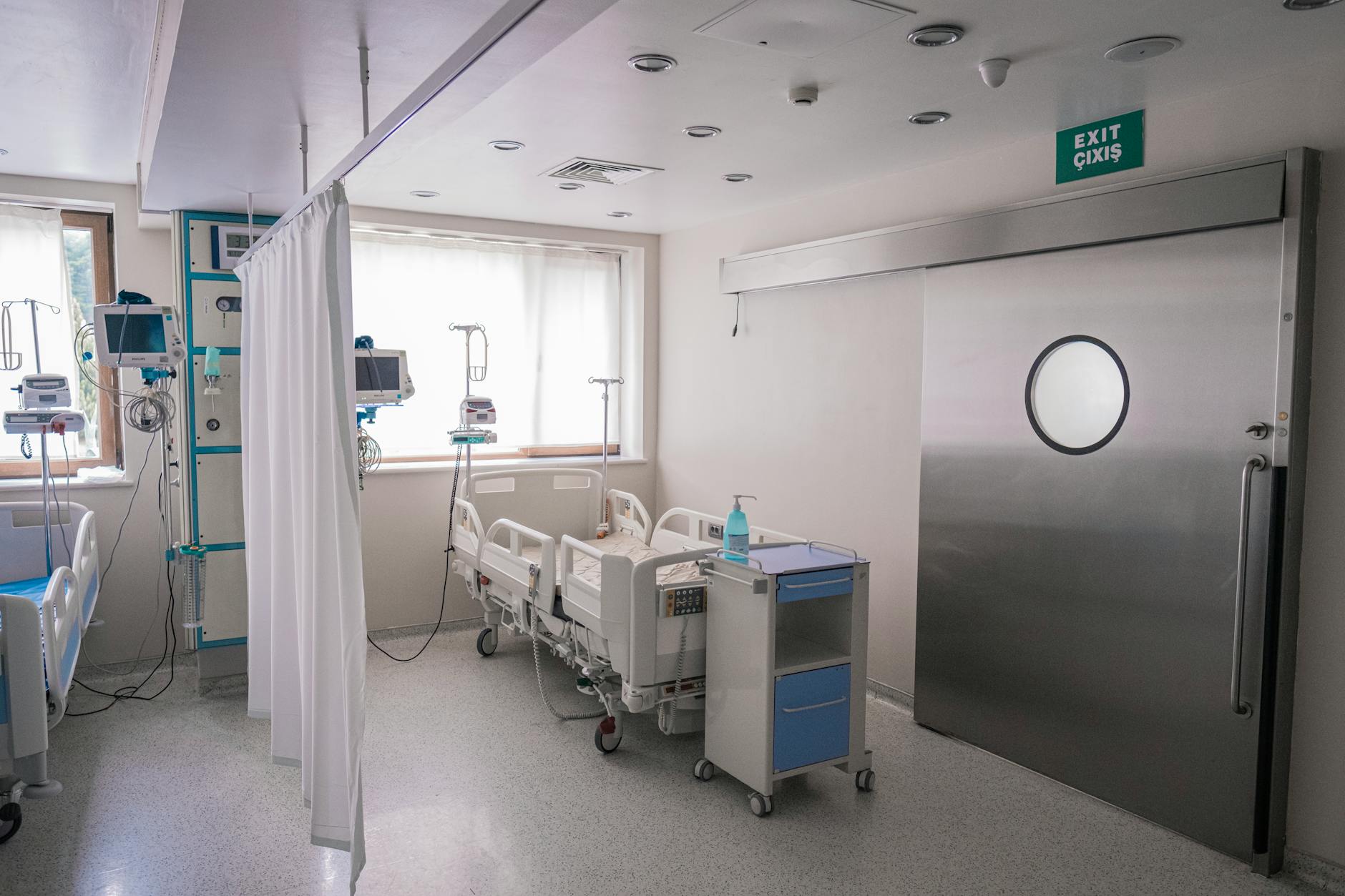
The primary site for clinical education is the Azienda Ospedaliera Universitaria (AOU) Federico II, commonly known as the Policlinico. It is one of the largest and most prestigious university hospitals in Southern Italy.
- Hospital Profile: The Policlinico is a massive complex with over 1,000 beds, organized into various specialized buildings connected by a dedicated metro stop (“Policlinico” on Line 1).
- Specialties: It serves as a regional referral center for complex diseases, including oncology, cardiology, neurology, and rare liver diseases. It is also a member of the European Reference Network (ERN) for neuromuscular disorders.
- Significance: For Indian students, training here is significant because of the high patient volume and the diversity of cases. As a state-funded hospital, it provides care to a wide demographic, ensuring students encounter everything from common ailments to rare genetic conditions.
Year-by-Year Clinical Rotation Schedule
The rotation schedule is designed to gradually increase the student’s responsibility and exposure to specialized medical fields.
| Year | Phase | Rotation/Subject | Duration | Key Skills |
|---|---|---|---|---|
| Year 3 | Introduction | Medical & Surgical Methodology, General Pathology | 2 Semesters | Patient interviewing, physical examination, basic lab diagnostics. |
| Year 4 | Core Specialties | Pharmacology, Systemic Pathology, Cardiology, Respiratory | 2 Semesters | Diagnostic reasoning, drug interactions, managing chronic diseases. |
| Year 5 | Advanced | Neurology, Psychiatry, Oncology, Imaging Diagnostics | 2 Semesters | Advanced imaging interpretation, neurological exams, cancer staging. |
| Year 6 | Thesis + Finals | General Surgery, Pediatrics, Ob-Gyn, Emergencies | 2 Semesters | Surgical assisting, neonatal care, acute triage, thesis defense. |
Specialties Covered During Clinical Training
The University of Naples Federico II clinical training MBBS teaching hospital system covers every major medical vertical required for global licensing. Students rotate through:
- Internal Medicine & Cardiology: Managing lifestyle diseases and advanced cardiovascular interventions.
- Surgery: Observing and assisting in General, Cardiovascular, and Neurosurgery units.
- Paediatrics & Ob-Gyn: Specialized training at the Paediatric Liver Unit and high-risk pregnancy wards.
- Emergency Medicine: Training in the trauma center to handle acute medical and surgical emergencies.
- Oncology & Hematology: Exposure to modern radiotherapy and chemotherapy protocols.
Language in Clinical Settings
While the MBBS program is taught in English, the patients at the Policlinico primarily speak Italian. This is a crucial aspect for Indian students to manage.
During clinical rotations, the role of Italian is vital for taking patient histories and communicating in the wards. However, the university and senior students provide significant support. Most Indian students find that by the third year, their basic Italian proficiency (often acquired through university-offered courses) is sufficient for clinical interaction. Professors and residents often assist in translation, and the “language of medicine” is largely universal, which helps students adapt quickly. Learning Italian is not just a requirement; it is an opportunity to integrate into the local culture and enhance patient-centered care skills.
Research Opportunities for MBBS Students
Federico II is a powerhouse for medical research, ranking within the top 200 globally for many scientific disciplines. For Indian students, this opens doors to international publications and higher residency chances.
- Year 6 Thesis: Every student must complete an 18-month degree internship under a tutor. This often involves original research in fields like biotechnology, gene therapy, or clinical trials.
- Research Labs: Students have access to the CEINGE Institute of Molecular Medicine, which collaborates closely with the medical school on translational research.
- Global Collaborations: The university’s involvement in European Reference Networks (ERN) allows students to participate in multi-center international studies.
University of Naples Federico II Clinical Training vs Indian Medical Colleges
| Factor | Naples Federico II | Top Govt College India | Average Private India |
|---|---|---|---|
| Patient Exposure | High (Regional Referral Center) | Very High | Moderate to Low |
| Infrastructure | Advanced (EU Standards) | Varies (Often Overburdened) | Modern but limited cases |
| Clinical Autonomy | Guided Observation & Practice | High (Hands-on) | Low (Observation only) |
| Research Access | Excellent (CEINGE/EU Grants) | Moderate | Low |
| Global Recognition | WFME/ECFMG Accredited | Recognized (NMC) | Recognized (NMC) |
Career Impact of University of Naples Federico II’s Clinical Training
Graduating from such a rigorous clinical environment has a direct impact on your future. For Indian students, the exposure to European healthcare standards makes the transition to the IMAT exam and subsequent licensing exams much smoother. The degree’s accreditation allows you to sit for the USMLE (USA) or PLAB (UK) without additional hurdles. Furthermore, the 360 ECTS credits earned are valid across the entire European Union, giving you the right to practice in any EU country after fulfilling local language requirements.
A Day in Clinical Year at Naples Federico II
What does a typical day look like for a medical student in Naples? It is a balance of ward work and academic study.
- 08:30 – 13:00: Ward Rounds. Students arrive at their assigned department at the Policlinico. You might spend the morning observing a cardiac catheterization, assisting in the outpatient clinic, or participating in ward rounds with the attending physician.
- 13:00 – 14:00: Lunch. Most students head to the “Mensa” (university canteen) for a subsidized meal.
- 14:00 – 17:00: Lectures. Theoretical classes for integrated courses take place in the afternoon at Building 6.
- Evening: Self-study. Students use the university libraries or clinical labs to review cases and prepare for the oral exams that are traditional in the Italian system.
FAQs
Is the clinical training at Federico II recognized in India?
Yes, the University of Naples Federico II is listed in the World Directory of Medical Schools and accredited by ANVUR/WFME. This ensures that Indian students can return to India and appear for the FMGE or NExT exam to obtain their license to practice.
Do I need to be fluent in Italian before starting clinical rotations?
You don’t need to be fluent from day one, but you should have a B1/B2 level of Italian by the third year. The university provides Italian language support to help international students communicate effectively with patients.
Which hospital is used for clinical rotations at Federico II?
The primary training site is the Policlinico Federico II in Naples. It is a massive teaching hospital with specialized units in oncology, neurology, surgery, and pediatrics.
Can Indian students assist in surgeries during their MBBS?
Yes, especially in the final years (4–6), students have opportunities to assist in surgeries as part of their rotations and thesis work. Even in the first year, students can observe surgeries with professor permission.
What is the IMAT score required for Indian students at Federico II?
The University of Naples Federico II clinical training MBBS teaching hospital is a popular choice because it offers more spots for Non-EU students (usually around 25) than EU students. While scores vary yearly, the Non-EU cutoff is typically lower than that of northern universities like Milan.
Are there research opportunities for international students?
Absolutely. The university emphasizes research, and every student must complete a clinical or laboratory-based thesis in their final year, which often leads to publication opportunities.
How does the cost of living in Naples compare to other Italian cities?
Naples is generally more affordable than Milan or Rome. Students can find subsidized housing and lower grocery costs, making the cost of living Italy manageable for Indian families.
Want to Train at Naples Federico II? Apply with Our Help
Navigating the admission process for the University of Naples Federico II can be complex, from preparing for the IMAT to securing an Italy student visa. At Indian Students Community, we specialize in helping students from India achieve their dream of studying medicine in Italy. Whether you need help with scholarships in Italy or guidance on MBBS in Italy fees, our expert counselors are here to support you every step of the way. Contact us today for a free consultation and start your journey toward becoming a world-class doctor.