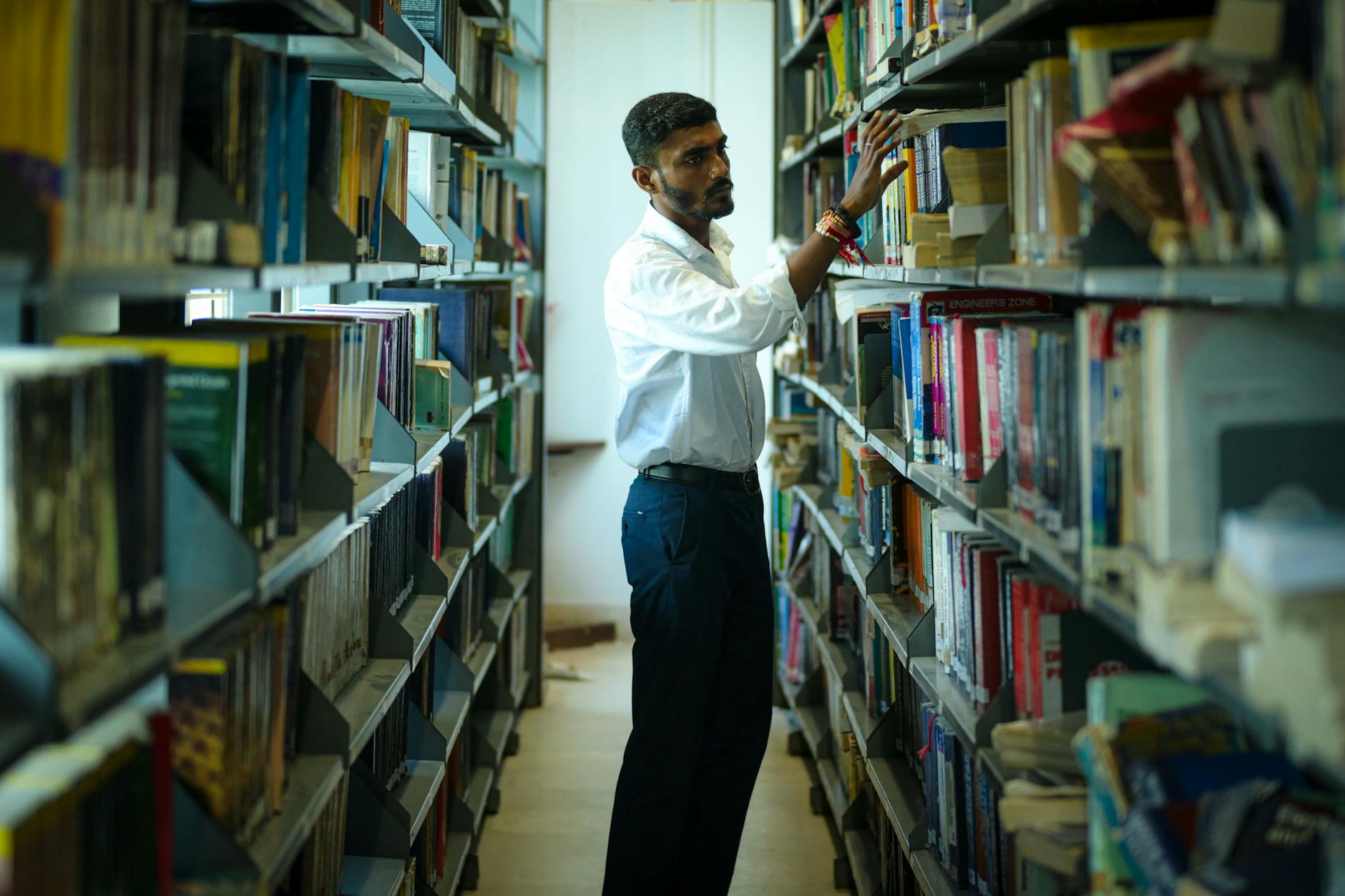
A Day in the Life of an Engineering Student at University of Naples Federico II: Real Indian Student Experience
Deciding to move across the globe to pursue a degree is a monumental step for any young scholar. For many of us from India, the engineering student life University of Naples Federico II Naples Indian students experience is a blend of rigorous historical academic standards and the vibrant, sun-drenched culture of Southern Italy. Established in 1224, this university is the oldest state-funded institution in the world, and walking through its engineering halls feels like being part of a 800-year-old legacy of innovation. Whether you are aiming for a Bachelor’s or a Master’s, life here is far from a standard classroom routine; it is an immersion into a world where ancient history meets cutting-edge aerospace and civil engineering labs.
For parents and students alike, understanding the daily rhythm is crucial. Naples is a city of contrasts—it is busy, energetic, and deeply welcoming. At Federico II, you aren’t just a number; you are a “Federiciano.” While the transition from the Indian education system to the Italian one has its hurdles, the rewards of studying at a top-ranked global institution (QS #313) are immense. From the smell of fresh espresso before a 9:00 AM lecture to late-night group study sessions over world-famous Neapolitan pizza, here is what a real day in the life looks like for us.
First Impression — What Indian Engineering Students Say About University of Naples Federico II
The first thing that hits most Indian students is the scale of the university. Unlike the gated campuses often found in India, Federico II is integrated into the fabric of Naples. The engineering departments are primarily located in the Fuorigrotta district, specifically the Via Claudio and Piazzale Tecchio campuses. My first impression was one of awe at the sheer technical depth expected here. Professors don’t just teach from a textbook; they expect you to understand the fundamental “why” behind every equation.
Many of my peers from Delhi, Mumbai, and Bangalore were initially surprised by the “authority culture” mentioned by seniors, but we soon realized it was actually a culture of deep respect. Professors are leading experts in fields like seismic engineering and industrial biotechnology. While the infrastructure might look “vintage” in some buildings, the labs inside house some of the most advanced equipment in Europe, such as full-scale earthquake shake tables. It is a place that values substance over style, and for a serious engineering student, that is exactly what matters.
A Typical Day — Bachelor’s Year 1
The first year of a Bachelor’s degree (Laurea) is all about building a rock-solid foundation. It is intense, but it prepares you for everything that follows.
Morning — Core Engineering Lectures (Maths, Physics, Computing)
My day usually starts around 8:00 AM in my shared apartment in Fuorigrotta. After a quick breakfast, it’s a short walk or bus ride to the Piazzale Tecchio building. Morning lectures are usually the heavy hitters: Mathematical Analysis, Physics I, or Computer Science. These classes are often held in large lecture halls. The pace is fast, and the level of mathematical rigor is significantly higher than what most of us experienced in high school. Taking detailed notes is a survival skill here.
Afternoon — Lab Sessions & Tutorials
After a quick lunch at the “Mensa” (university canteen), where a full meal costs very little for students, the focus shifts to application. For first-year students, this means physics labs or computing tutorials. We spend hours working on MATLAB or learning the basics of C++ and Python. These afternoon sessions are where the theory from the morning starts to make sense. It’s also the best time to interact with TAs who help bridge the gap between complex lectures and practical problem-solving.
Evening — Group Projects & Self-Study
The Italian system relies heavily on independent study. By 6:00 PM, I usually head to the Engineering Area Library or a local cafe with my “studying group.” We go over the day’s problems together. Collaborative work is essential because the exams are notoriously challenging. We often wrap up by 8:30 PM, just in time for a walk along the Lungomare to clear our heads before dinner.
A Typical Day — Master’s Year 1
For those pursuing a Master of Science (Laurea Magistrale), especially in English-taught programs like Structural and Geotechnical Engineering or Transportation Engineering, the schedule becomes more specialized and research-oriented.
Morning — Specialised Lectures (smaller classes, expert professors)
Master’s classes are typically smaller, allowing for more direct interaction with professors. A morning might be dedicated to “Advanced Soil Mechanics” or “Sustainable Ship and Shipping 4.0.” Because these programs are in English, you’ll be sitting alongside students from Turkey, Iran, China, and South America, creating a truly global classroom environment.
Afternoon — Research Lab / Industry Project Work
Afternoons for Master’s students are often spent in specialized labs. If you are in Mechanical Engineering, you might be at the wind tunnels. If you are in Civil Engineering, you could be analyzing data from the Material Testing Centre. This is also when many students work on projects in partnership with companies like Enel X or Leonardo. The focus is on preparing you for the global job market.
Evening — Thesis research, internship applications
The final part of the day is often dedicated to “the big one”—the Master’s thesis. At Federico II, the thesis is a major research undertaking (often 18 months). I spend my evenings at the Monte Sant’Angelo campus or the Via Claudio computing clusters, running simulations or writing literature reviews. This is also the time when we polish our CVs and apply for internships through the university’s career portal.
Weekly Schedule
While every engineering branch is slightly different, this table represents a standard weekly flow for an engineering student in Naples.
| Day | Morning (9:00 – 13:00) | Afternoon (14:00 – 17:00) | Evening (18:00 – 21:00) |
|---|---|---|---|
| Monday | Mathematical Analysis / Core Theory | Computer Science Lab | Self-Study at Library |
| Tuesday | Physics II / Thermodynamics | Problem-Solving Tutorials | Group Project Meeting |
| Wednesday | Applied Mechanics / Structural Theory | Specialized Department Lab | Italian Language Class (CLA) |
| Thursday | Technical Drawing / CAD | Materials Testing Lab | Grocery Shopping & Meal Prep |
| Friday | Economics / Management Engineering | Seminar / Industry Guest Lecture | Social Gathering / Pizza Night |
| Saturday | Weekly Review / Catch-up Study | Free Time / Exploration | Dinner with Indian Community |
| Sunday | Rest / Personal Admin | Day Trip (Pompeii / Sorrento) | Plan for the Week Ahead |
Academic Culture — What Surprises Indian Engineering Students
The academic environment in Italy is quite different from the “continuous assessment” style common in Indian private universities. Here, your entire grade often depends on one final exam, which requires a deep shift in how you manage your time.
Project-Based Assessment vs Pure Exams
While traditional exams are central, the engineering faculty is increasingly moving toward project-based assessments. This is particularly true for Master’s students, where you might have to design a bridge superstructure or a software system and defend your design choices. This prepares you for the “real world” where there are no multiple-choice questions.
Oral Exams (Italian academic tradition)
This is the biggest shock for Indian students! Most Italian exams have two parts: a written test and a subsequent oral exam (colloquio). You sit face-to-face with the professor, and they ask you questions to test your conceptual understanding. It can be nerve-wracking, but it builds incredible confidence and communication skills. It’s not just about what you know, but how you can explain it.
Collaborative Group Work Culture
In Naples, nobody survives engineering alone. The “colleghi” (classmates) culture is very strong. Students share notes, previous exam questions (compitini), and study together in libraries. For an Indian student, joining a study group is the fastest way to integrate and succeed. Italians are very generous with their knowledge if they see you are putting in the effort.
Direct Access to Professors
Despite the large number of students, professors are surprisingly accessible. They have dedicated “ricevimento” (office hours) every week where you can walk in and ask for clarification on any topic. Many are also very responsive via email and are genuinely interested in supporting international research collaborations.
Labs, Software & Equipment Indian Students Use
The technical facilities at Federico II are spread across specialized departments. As an engineering student, you will spend a significant portion of your degree using professional-grade tools.
- Core Software: You will become an expert in MATLAB, ANSYS, AutoCAD, and various BIM (Building Information Modeling) tools. Computer engineering students have access to high-performance computing clusters for AI and blockchain research.
- Mechanical & Aerospace: Access to wind tunnels and advanced CAD/CAM labs for rapid prototyping and 3D printing of engine components.
- Civil & Structural: The Material Testing Centre and the world-renowned 6x6m shake table for seismic testing of full-scale buildings.
- Electrical & Electronics: Specialized labs for telecommunications, microelectronics, and renewable energy systems.
Whether you are in Civil, Mechanical, Naval, or Computer Engineering, the university ensures you are trained on the same equipment used by top European industries.
Social Life as an Engineering Student in Naples
It’s not all books and labs! Naples is arguably the most “soulful” city in Italy, and the social life is vibrant and affordable.
- Student Groups: There is a growing Indian student group that organizes Diwali and Holi celebrations. The International Students Union (ISU) and Erasmus Student Network (ESN) also host regular meetups and parties.
- Food: Naples is the birthplace of pizza. A world-class Margherita pizza costs only €3.50 to €5.00, making eating out very sustainable on a student budget.
- Day Trips: On weekends, we take the “Circumvesuviana” train to Pompeii or the ferry to the islands of Capri and Ischia. The cost of living Italy experience is much better in the South because your money goes further for travel and food.
- Hackathons & Clubs: The DIETI department often hosts hackathons in partnership with companies like Apple and Cisco, which are great for both social networking and career building.
Balancing Studies, Social Life & Part-Time Work in Naples
Finding a balance is key. Under the Italy student visa, Indian students can work 20 hours per week. In Naples, many students find part-time work in hospitality, private tutoring (English or Math), or even at the university as lab assistants. However, because the engineering workload is so heavy, most of us focus on our studies during the weekdays and keep the weekends for social life and part-time jobs.
Living in areas like Fuorigrotta or Centro Storico allows you to stay close to the action. While Naples can feel chaotic at first, you’ll soon find your “usual” spots—the cafe where the barista knows your name and the study room where you always find a seat. This sense of belonging is what makes the engineering student life University of Naples Federico II Naples Indian students experience so unique.
FAQs
Is it difficult for Indian students to adapt to the Italian oral exam system?
Initially, yes, as it’s a very different format from Indian exams. However, most Indian students adapt within the first semester. The key is to attend lectures regularly and participate in study groups where you practice explaining concepts out loud.
Do I need to learn Italian to survive in Naples?
While the Master’s programs are in English, learning basic Italian is highly recommended for daily life. Neapolitans are very friendly and appreciative when you try to speak their language. The University Language Center (CLA) offers free or subsidized classes for students.
What is the average monthly budget for an engineering student in Naples?
Naples is more affordable than Milan or Rome. A student can live comfortably on €800 – €1,100 per month, covering rent in a shared apartment, food, transport, and some social activities. Subsidized housing through ADISURC can lower this further.
Are there good job opportunities for Indian engineering graduates in Italy?
Yes, especially in Northern Italy and the Innovation Districts in Naples. Graduates from Federico II are highly respected. Many students also use the engineering in Naples degree as a gateway to careers across the EU and the UK.
Is the campus safe for international students?
Yes, Naples is a safe city for students. Like any major city, you should use common sense, but the university areas are bustling with student activity day and night, and the community is very protective of its “Federiciani.”
Can I apply for scholarships to cover my living expenses?
Absolutely. Most Indian students apply for the DSU (ADISURC) scholarship, which provides a tuition waiver, free meals, and a yearly stipend based on family income. There are also merit-based Italy scholarships available through the university.
Want to Study Engineering at Naples Federico II?
The journey to becoming an engineer at Italy’s oldest public university is a path of hard work, incredible food, and world-class research. Whether you need help with the Italy student visa, choosing the right engineering program in Italy, or finding the best universities for your goals, we are here to help. At the Indian Students Community, we provide end-to-end support for your Italian dream. Book a free consultation today and start your Neapolitan adventure!