A Day in the Life of an Engineering Student at University of Rome Tor Vergata: Real Indian Student Experience
Choosing to move from India to Italy for my degree was a massive decision, but understanding the daily engineering student life University of Rome Tor Vergata Rome Indian students experience has made the transition smoother. As a student at one of the most prestigious universities in Europe, life here is a blend of intense academic rigor, high-tech lab work, and the unparalleled cultural beauty of Rome.
The University of Rome Tor Vergata is a modern giant, ranked QS #401–450 globally. Located in the EUR district, it offers a quieter, more focused campus vibe compared to the bustling Sapienza. For an Indian student, this means a dedicated space for innovation in fields like Computer, Electronic, Mechanical, and Biomedical engineering, all while being a quick metro ride away from the Colosseum and incredible Italian cuisine.
First Impressions of Rome as an Indian Engineering Student
When I first arrived from Delhi, the scale of the campus in the EUR district surprised me. It feels like a futuristic mini-city dedicated to science. Coming from a crowded Indian metropolitan area, the studious silence of the Tor Vergata campus was a welcome change. What surprised me most was the accessibility; while the campus is quieter, the metro connects you to central Rome in less than 30 minutes.
Expectations vs. Reality: I expected the ancient “Eternal City” vibe everywhere. In reality, Tor Vergata is modern, spacious, and filled with green areas. For Indian students, the initial culture shock is usually the food and the pace of life, but the university’s international office and student groups help you settle in quickly. Navigating the Italy student visa process was the hardest part, but once on campus, everything became about the “Ingegneria” lifestyle.
A Typical Bachelor’s Year 1 Day
Morning — Core Lectures (Maths, Physics, Computing)
My day usually starts at 8:00 AM. In the first year, the focus is on building a “foundational” bedrock. Most mornings are spent in large lecture halls for Mathematical Analysis I or Physics I. Unlike some Indian colleges where attendance is strictly monitored by scanners, here it is your responsibility to show up and learn. The professors are highly reputed researchers, but their teaching style requires you to be proactive.
Afternoon — Lab Sessions & Tutorials
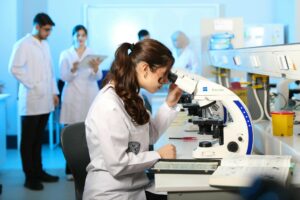
After a quick espresso at the campus bar, afternoons are for practical application. For those in engineering in Rome TV, this means tutorials where we solve complex problems or initial lab sessions for Chemistry and Computing Fundamentals. These sessions are crucial because the Italian system values the “how” as much as the “what.”
Evening — Group Projects & Self-Study
By 6:00 PM, I usually head to the library or a common study area. Since many exams are oral (a unique Italian tradition), I spend my evenings explaining concepts to my peers. Group study is a lifesaver for Indian students here; we help each other bridge the gap between Indian school curriculum and Italian university expectations.
A Typical Master’s Year 1 Day
Morning — Advanced Specialised Lectures
For Master’s students, the mornings are more specialized. If you are in the engineering in Italy Master’s track, you might be diving deep into High Performance Electronics or VLSI Circuit Design. These classes are smaller, allowing for more direct interaction with professors who are often leading EU-funded research projects.
Afternoon — Research Lab / Industry Project
The afternoon is where the magic happens for postgrads. Tor Vergata has strong industry tie-ups. Many students spend this time in research labs working on CAD/CAM designs, 3D printing prototypes, or running simulations in MATLAB and ANSYS. This hands-on experience is what makes the degree aspirational for Indian parents looking at global career outcomes.
Evening — Thesis Research & Internship Applications
Master’s students are always looking ahead. Evenings are often dedicated to thesis prep or scouting for internships. The university’s “Alitur” association helps bridge the gap between the classroom and the job market, providing networking opportunities with major European tech firms.
Weekly Schedules
Bachelor’s Weekly Routine
| Day | Morning (8:30–12:30) | Afternoon (14:00–17:00) | Evening (18:00+) |
|---|---|---|---|
| Mon–Wed | Core Lectures (Maths/Physics) | Tutorials & Exercises | Self-Study & Revision |
| Thu–Fri | Computing & Chemistry | Laboratory Work | Student Association Meetings |
| Sat–Sun | Reviewing Week’s Notes | Grocery Shopping/Cooking | Exploring Central Rome |
Master’s Weekly Routine
| Day | Morning (9:00–13:00) | Afternoon (14:00–18:00) | Evening (19:00+) |
|---|---|---|---|
| Mon–Tue | Advanced Theory Lectures | Research Lab Sessions | Project Documentation |
| Wed–Fri | Specialization Subjects | Industry Collaborations | Internship Search/Thesis |
| Sat–Sun | Research Papers | Socializing in EUR | Travel/Relaxation |
Academic Culture at University of Rome Tor Vergata
Project-Based Assessment
While theoretical exams are heavy, there is an increasing shift toward project-based learning. Especially in Computer and Electronic engineering, your final grade often depends on a working prototype or a software solution you’ve built from scratch.
Italian Oral Exam Tradition
This is the biggest shock for Indian students. Many exams have a written qualifying round followed by a “VIVA” or oral exam with the professor. You must be able to speak confidently about your subject. It’s not just about getting the right answer; it’s about demonstrating your thought process.
Collaborative Culture & Professor Access
Despite being a large university, the environment is surprisingly friendly. Professors have “Ricevimento” (office hours) where you can walk in and discuss your doubts. Indian students often find this more accessible than the hierarchy sometimes found in Asian institutions.
Labs & Equipment at University of Rome Tor Vergata
The facilities here are top-tier. As an engineering student, you get access to:
- Advanced Computing: High-performance workstations with full suites of MATLAB, ANSYS, and CAD/CAM software.
- Mechanical Labs: Facilities for 3D printing, materials testing, and thermodynamics research.
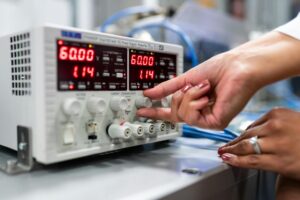
- Electronics & ICT: Specialized labs for sensors, digital signal processing, and networking.
- Clean Rooms: For Biomedical and Electronic research, providing a sterile environment for precision work.
Social Life in Rome
Engineering isn’t just about the books. The Indian student group at Tor Vergata is growing, and we often organize Diwali and Holi celebrations on campus. There are also several technical clubs like the “Tor Vergata Linux User Group” and “BEST” (Board of European Students of Technology) which organize hackathons and international workshops.
On weekends, the EUR district offers a modern lifestyle with gyms and coffee shops. For a bit more “vibe,” we head into the city center. While the cost of living Italy can be high, being a student at Tor Vergata gives you access to “Agevola” discounts on everything from concerts to sports.
Balancing Studies + Social Life + Part-Time Work
It is a delicate balance. Engineering is demanding, and the “blood-bath” exams like Physics 2 or Calculus 2 require consistent effort. However, with a scholarships in Italy (like the DSU from LazioDisco), many Indian students manage their finances without having to work excessive part-time hours, allowing them to focus on their “Laurea” (degree).
FAQs
Is engineering at Tor Vergata taught in English?
Yes, several programs including Engineering Sciences (Bachelor’s) and various Master’s degrees like ICT and Internet Engineering are fully taught in English.
What is the TOLC-I test?
The TOLC-I is a mandatory entrance exam for engineering courses in Italy. It assesses your knowledge in logic, mathematics, and science.
Is it hard for Indian students to pass exams?
The exams are rigorous and the oral format is different, but with consistent study and participating in group sessions, most Indian students succeed.
Can I get a scholarship at Tor Vergata?
Yes, Indian students are eligible for DSU scholarships based on family income (ISEE), which can cover tuition fees and provide a living stipend.
Is the EUR district safe for students?
EUR is one of the modern and safest districts in Rome, characterized by wide avenues and a heavy presence of corporate offices and residential areas.
Do I need to learn Italian to live there?
While your course might be in English, learning basic Italian is highly recommended for daily life and is essential if you plan to find part-time work.
Want to Study Engineering at Tor Vergata in Rome?
Navigating university applications, visa requirements, and scholarship documents can be overwhelming. We specialize in helping Indian students achieve their dreams of studying in Italy with expert guidance and end-to-end support.