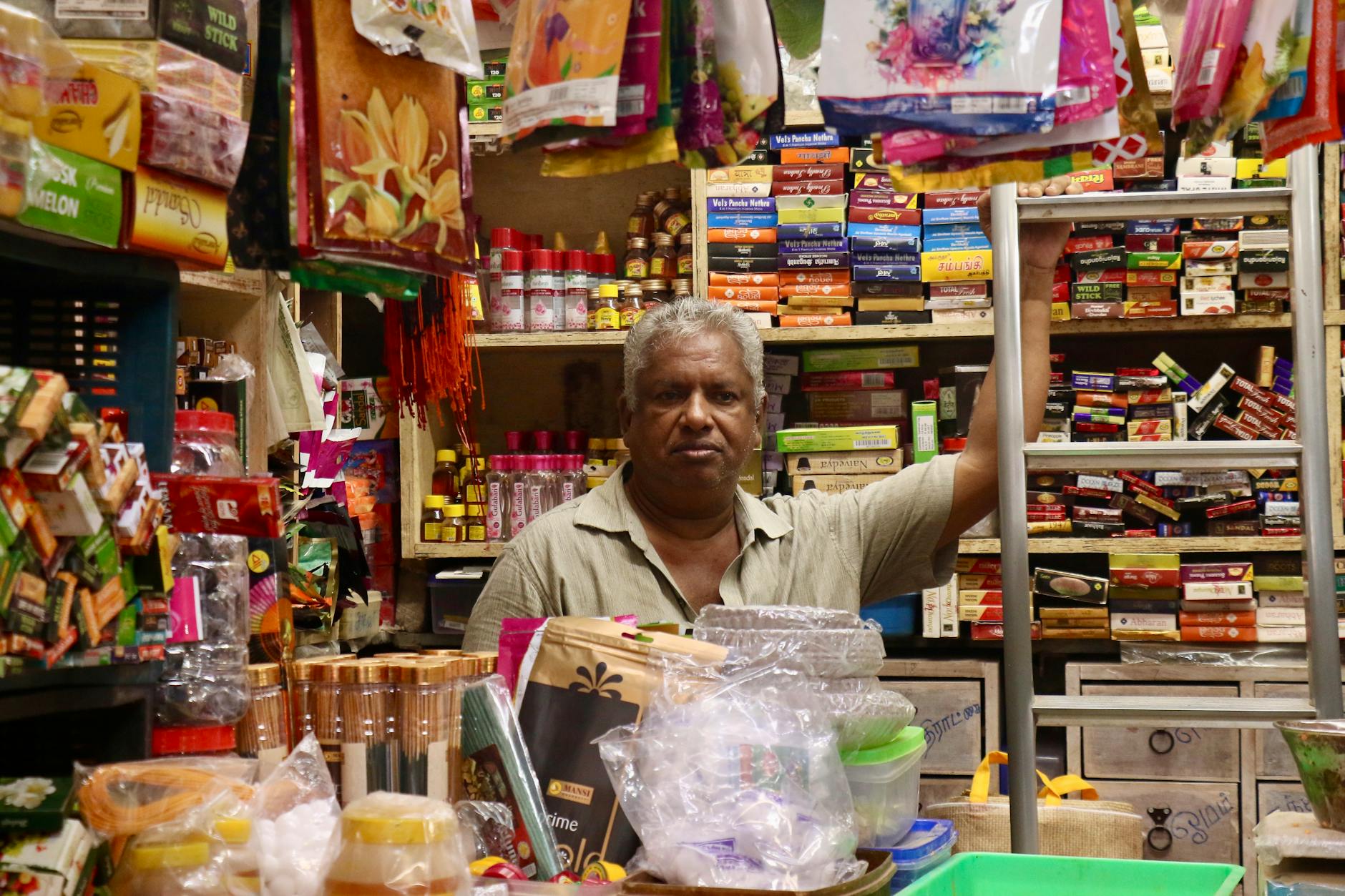
Indian Food & Grocery Guide in Rome for Students at Sapienza
Moving to Italy to study at the prestigious Sapienza University of Rome is an exhilarating milestone, but for many Indian families, one concern often stands above the rest: the food. Accessing familiar flavors and finding a reliable Indian food grocery Rome students can depend on is vital for both nutrition and emotional well-being. Rome, as a multicultural capital, is exceptionally well-equipped to cater to the Indian palate. From the bustling aisles of the Esquilino market to specialized Desi stores near Termini, you will find everything from Basmati rice and premium tea to the specific spices required for a perfect home-cooked dal.
In this guide, we provide a comprehensive look at how Indian students can navigate the culinary landscape of the Eternal City while managing their cost of living in Italy. Whether you are pursuing MBBS in Sapienza or a technical degree through our Sapienza engineering guide, staying well-fed with nutritious Indian food is the key to academic success.
Good News — Rome Has Everything You Need
For Indian parents and students, the biggest relief is knowing that Rome is one of the best cities in Europe for sourcing South Asian ingredients. You do not need to pack kilos of lentils or spices in your suitcase. The city’s vibrant international community has established a robust network of grocery stores and restaurants. Furthermore, because Sapienza’s main campus is located near the San Lorenzo and Esquilino districts, students are often just a short walk away from the best Indian food grocery Rome students use for their weekly shopping. With a student visa and a bit of local knowledge, you can easily replicate “Ghar ka Khana” right in your Roman apartment.
Indian & Asian Grocery Stores in Rome
When you crave authentic brands like Aashirvaad, Maggi, or MDH, specialized stores are your best bet. Most of these are concentrated around the Esquilino district and near the Termini Station, which is conveniently close to Sapienza University.
- Indian Punjabi Store (Via Foscolo): A staple for the community, this store offers a wide range of authentic spices, long-grain Basmati rice, various dals (lentils), and even traditional household items. It is open seven days a week, making it highly accessible for busy students.
- Nuovo Mercato Esquilino (Via Filippo Turati): This is arguably the most important food hub for international students. It is a massive market where you can find fresh okra (bhindi), bitter gourd (karela), green chilies, and fresh ginger at prices much lower than standard supermarkets. Many stalls are run by South Asian vendors who stock high-quality Atta and large bags of rice.
- Pacific Trading (Via Principe Amedeo): While technically an international store, they have a massive South Asian section. You can find frozen parathas, samosas, and a variety of Indian pickles and chutneys here.
- Online Options (Dookan & Jamoona): For students who prefer door-step delivery, services like Dookan and Jamoona operate across Italy. They stock over 10,000 products, including festival-specific items for Diwali and Holi, and offer free shipping on orders above €69.
Budget Supermarkets for Everyday Shopping
While specialized stores are great for spices and lentils, your everyday staples like milk, eggs, pasta, and cleaning supplies should be bought at Italian budget supermarkets to keep your expenses low. Use your Italy scholarships wisely by shopping where the locals do.
| Store | Type | Avg. Monthly Spend | Notes |
|---|---|---|---|
| Lidl | Discount | €150 – €180 | Cheapest prices for dairy, bread, and basic vegetables; great in-house bakery. |
| Eurospin | Discount | €140 – €170 | The lowest prices on the market; ideal for bulk buying non-perishables. |
| Conad / Coop | Standard | €200 – €250 | High quality and very common near Sapienza; look for “Conad” or “Coop” brand labels for better value. |
| Carrefour Express | Convenience | €250+ | Often open 24/7 but much more expensive; use only for emergencies. |
| Local Market | Fresh Produce | €100 – €130 | Best place for fresh fruits and vegetables; always cheaper than supermarkets if you buy seasonal produce. |
Indian Restaurants in Rome
Sometimes, the pressure of exams at top Italian universities means you won’t have time to cook. Rome offers several excellent Indian dining options that range from quick vegetarian bites to formal dinners.
- Saravanaa Bhavan (Via Volturno): Located very close to Sapienza, this is the world-renowned chain for South Indian vegetarian food. It is a favorite for students seeking authentic Dosas, Idlis, and Vadas. Most main courses are priced between €8 and €12, making it a great occasional treat.
- Maharajah (Via dei Serpenti): One of Rome’s oldest Indian restaurants, located near the Colosseum. It offers classic North Indian specialties like Tandoori Chicken and Paneer Makhani. It is slightly more “fine dining” but offers excellent fixed menus for students.
- Gandhi 2 (Via Genova): Known for its extensive menu and ability to cater to large groups. They offer authentic veg and non-veg options and are popular for their student-friendly service and consistent taste.
- Himalaya’s Kashmir (Via Principe Amedeo): A reliable spot near Termini for quick curry and rice meals. It is often cited as one of the better value-for-money Indian spots in the city center.
Cooking Indian Food in Italy
Adapting your cooking style is part of the “Living in Italy” experience. Most student apartments in Rome come with shared kitchens. Understanding the local setup will help you settle in faster.
- Induction vs. Gas: Many modern Roman apartments use induction cooktops. If you are bringing pans from India, ensure they are induction-compatible. Otherwise, you can buy cheap “Bialetti” or “Lagostina” pans at local stores like Kasanova.
- Ingredient Substitutes: While you can find most things, sometimes you need to adapt. Italian “Farina 00” is much finer than Atta; for rotis, look for “Farina Integrale” (whole wheat flour) or buy Aashirvaad Atta from the Indian stores mentioned above. Italian Ricotta can sometimes serve as a soft substitute for Paneer in a pinch, though making Paneer at home with Italian milk is very easy and cost-effective.
- Shared Kitchen Etiquette: Indian cooking can have strong aromas. It is polite to use the exhaust fan and keep the kitchen ventilated to be mindful of your international flatmates.
University Canteen — Is It Worth It?
Sapienza University offers several “Mensa” (canteen) locations. For Indian students, the Mensa is an incredible way to save money and ensure a balanced meal.
- Price: With your regional DSU scholarship or ISEE certificate, a full meal can cost as little as €2.10 to €5.00.
- Menu Variety: A typical meal includes a “Primo” (pasta or risotto), a “Secondo” (meat, fish, or cheese), a side dish (vegetables or salad), and fruit/dessert.
- Vegetarian Options: There is always a vegetarian pasta and a vegetarian second course (like mozzarella or an omelet), making it very student-friendly for those with dietary restrictions.
Monthly Food Budget Guide
How much you spend depends entirely on your lifestyle. Here is a realistic estimate for 2026.
| Eating Style | Monthly Cost (EUR) | Monthly Cost (INR) |
|---|---|---|
| Cook at home (100%) | €180 – €220 | ₹16,500 – ₹20,000 |
| Mix (Home + Canteen) | €250 – €300 | ₹23,000 – ₹27,500 |
| Eating out often | €450+ | ₹41,000+ |
FAQs
Is Indian food expensive in Rome?
If you cook at home, Indian food is very affordable. Specialized spices and Atta are slightly more expensive than in India due to import costs, but they last for months, making the daily cost very low.
Can I find Maggi and Haldiram’s in Rome?
Yes, almost all Indian grocery stores near Termini and Esquilino stock Maggi noodles and a wide variety of Haldiram’s snacks and frozen foods.
Do I need to bring a pressure cooker from India?
While you can buy “pressure cookers” in Italy (called Pentola a Pressione), they are often the valve-type rather than the whistle-type. Most Indian students prefer bringing a small 3-liter whistle cooker from India for familiarity.
Are there vegetarian options in Sapienza’s canteens?
Yes, Italian cuisine is naturally very vegetarian-friendly. You will always find pasta with tomato or pesto and plenty of fresh vegetable sides at the university Mensa.
Where is the best place for fresh vegetables?
The Nuovo Mercato Esquilino is the gold standard for fresh produce. It offers the best variety of Indian vegetables like ladyfinger, eggplant, and chilies at wholesale prices.
How do I pay for groceries?
Most stores accept Visa and MasterCard. However, for small purchases at local open-air markets, it is always helpful to carry some cash (Euros).
Ready for Life in Rome?
Starting your journey at Sapienza University is a bold and rewarding step. While the food is a major part of your transition, there are many other steps to navigate, from visa processing to finding the right accommodation. At ISC, we specialize in helping Indian students thrive in Italy. Contact us today for a free consultation and let us help you turn your Italian dream into reality!