Indian Student Community at University of Milan: Life, Culture & What to Expect in Milan
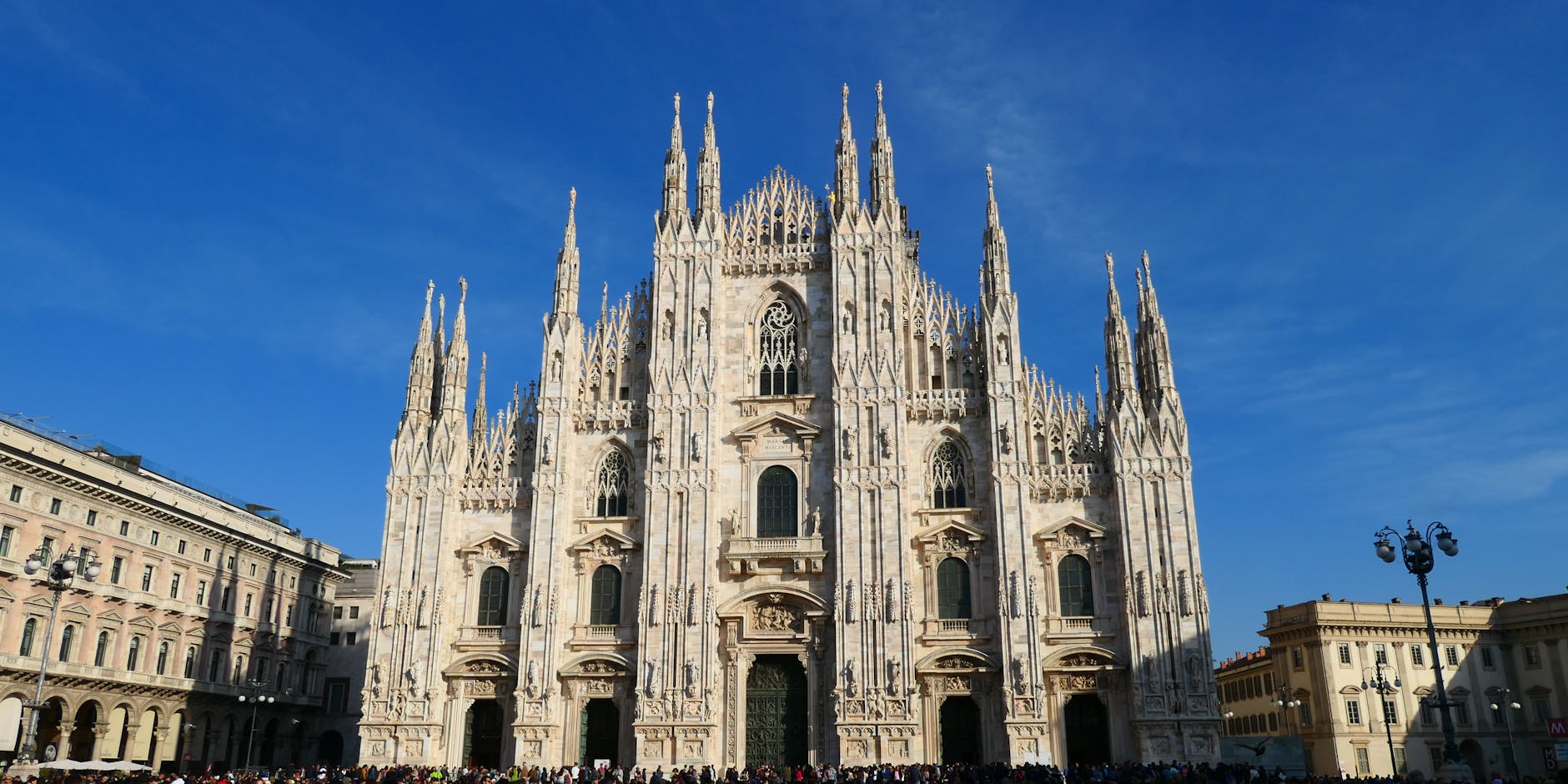
Choosing to study abroad is a monumental decision for any student and their family. For many, the Indian students at University of Milan Milan experience represents the perfect blend of world-class education and a vibrant, multicultural lifestyle. The University of Milan (La Statale), ranked QS #276, has become a premier destination for those seeking excellence in fields ranging from medicine to humanities. Beyond the lecture halls, the city of Milan offers a unique ecosystem where Indian traditions meet Italian flair, creating a home away from home for a growing community of scholars.
For parents, the priority is always safety, community support, and a manageable transition. Milan, Italy’s fashion and economic capital, provides a structured environment with robust student services. Whether you are looking for information on MBBS in Milan or planning your Italy student visa application, understanding the local community is key to a successful journey.
How Many Indian Students Study at University of Milan?
While exact figures fluctuate annually, the presence of Indian students at the University of Milan has seen a significant upward trend. The university is home to thousands of international students, with a substantial and visible percentage originating from India. Popular programs attracting Indian talent include International Medical School (IMS), Biotechnology, and various Master’s degrees in Law and Sustainability.
The growth of this community is supported by the university’s increasing number of English-taught programs and the availability of Italy scholarships like the DSU, which makes the cost of living in Italy more accessible. The diversity of the student body ensures that new arrivals quickly find peers who share their cultural background and academic goals.
Indian Student Community in Milan
Finding your tribe is the first step toward settling in. The Indian student community in Milan is active, digital-savvy, and incredibly welcoming.
- WhatsApp and Facebook Groups: Most coordination happens in private WhatsApp groups. Groups like “Indian Students in Milan” or specific ones for “University of Milan Admitted Students” are vital for finding roommates, buying second-hand textbooks, and getting advice on residency permits.
- SASSI (Students’ Association of Indians): This association is a cornerstone for the community, organizing cultural integrations, academic mentorship, and social events like bowling nights or park jamming sessions.
- ESN Milan Statale: The Erasmus Student Network at La Statale is perfect for meeting students from all over Europe and participating in organized city tours and international parties.
- Consulate General of India, Milan: The consulate maintains a registry for Indian students and provides a 24/7 helpline for emergencies, ensuring a layer of governmental support for students and peace of mind for parents.
Indian Food & Grocery Shopping in Milan
One of the biggest concerns for Indian families is the availability of authentic food. Fortunately, Milan’s multicultural landscape ensures you are never too far from a taste of home.
Indian Grocery Stores and Districts
The areas around Loreto, Via Padova, and Viale Monza are hubs for South Asian commerce. You can find everything from Basmati rice and Toor Dal to specific spices like cardamom and garam masala.
- Dookan: An online grocery platform that delivers over 10,000 Indian products directly to your doorstep in Milan, often allowing payments in INR.
- Local Asian Stores: Numerous walk-in shops near Central Station and Loreto stock fresh Indian vegetables like okra, green chilies, and curry leaves.
Indian Restaurants in Milan
Milan offers a range of Indian dining options, from budget-friendly street food to high-end fine dining.
| Restaurant Name | Style | Estimated Price Range |
|---|---|---|
| The Dhaba | Authentic/Traditional | €20 – €30 |
| Rangoli | Fine Dining/Classical | €25 – €35 |
| Cittamani by Ritu Dalmia | Modern Fusion | €40 – €60 |
| Prince Indian Street Food | Quick Bites/Budget | €10 – €15 |
| Govinda | Vegetarian/Satvic | €15 – €25 |
University Canteen Options
The University of Milan’s canteens (Mensa) are highly subsidized. While the menu is primarily Italian, there are always vegetarian options available, such as pasta with tomato sauce, bean soups, and salads. For DSU scholarship holders, these meals are often free or cost as little as €2-€5.
Festivals & Cultural Events
Life in Milan doesn’t mean missing out on traditional celebrations. The Indian community ensures that major festivals are celebrated with great fervor.
- Diwali and Holi: These are organized by student associations like SASSI and ISA. Events often include cultural performances, Indian music, and traditional food. Many students also gather at the Hindu temples or community halls in the outskirts of Milan.
- Independence Day and Republic Day: The Consulate General of India in Milan hosts official flag-hoisting ceremonies and cultural programs where students are encouraged to participate.
- University International Days: The University of Milan holds “Welcome Days” where international students can showcase their culture through food and art, providing a great platform to introduce Indian heritage to Italian peers.
Culture Shock — and How to Handle It
Adjusting to a new country involves more than just finding a classroom. Here is how to navigate the common transitions.
H3: Language Barrier
While the University of Milan offers many courses in English, daily life in the city—at the supermarket, the post office, or the pharmacy—is conducted in Italian. Learning basic phrases for “Please,” “Thank you,” and “Where is…” will significantly improve your daily experience. Most Italians appreciate the effort, even if your grammar isn’t perfect.
H3: Academic Culture Differences
The Italian system places a heavy emphasis on oral exams. Unlike the written-heavy Indian system, you may find yourself sitting across from a professor for 20 minutes explaining complex concepts. This requires a deep, conceptual understanding rather than rote learning. Additionally, study is very self-directed; professors provide the syllabus, and it is up to you to manage your time.
H3: Social Norms
Punctuality is expected in professional settings, but social gatherings might be more relaxed. Dining times are later than in India—dinner often starts at 8:00 PM. Tipping is not mandatory in Italy as a service charge is often included (coperto), but rounding up the bill is a nice gesture for exceptional service.
H3: Food & Lifestyle Adjustment
Italians have a “slow food” culture. Coffee is a quick standing affair at a bar, but lunch and dinner are times to sit and talk. While you will miss home-cooked spicy food, embracing the local “Aperitivo” culture—where you get a drink and a buffet of snacks—is a great way to socialize affordably.
Learning Italian in Milan
To truly integrate and perhaps find part-time jobs, learning the language is essential.
- University Courses: The University of Milan provides free or low-cost Italian language courses for its international students.
- Language Apps: Supplement your learning with Duolingo or Babbel for daily practice.
- Community Classes: Organizations like the Municipality of Milan often run heavily subsidized evening classes for foreign residents.
Practical Day-to-Day Tips for Indian Students in Milan
Preparation is the key to avoiding stress upon arrival.
- SIM Card: Popular providers include Iliad, WindTre, and Vodafone. Iliad is a student favorite for its low-cost, high-data plans.
- Pharmacy (Farmacia): Look for the green cross. Pharmacists in Italy are highly trained and can offer advice for minor ailments.
- Emergency Numbers: 112 is the universal emergency number in Italy. Keep the Consulate helpline (+39 3881647527) saved in your phone.
- Codice Fiscale: This is your tax ID, necessary for everything from a SIM card to a bank account. Apply for it at the Italian Embassy in India before you leave, or at the Agenzia delle Entrate in Milan.
FAQs
Is Milan safe for Indian students?
Yes, Milan is generally very safe. However, like any major global city, students should be cautious of pickpockets in crowded tourist areas and avoid walking alone in poorly lit suburban areas late at night.
How can I find accommodation near the university?
Start early! Use university residence portals, but also look at verified platforms like Spotahome or Cohabs. Avoid making payments through social media links to avoid scams.
Are there many vegetarian options in Milan?
Absolutely. Italy is one of the most vegetarian-friendly countries in Europe. Pizzas, pastas, and “contorni” (side dishes) provide plenty of meat-free variety.
Can I work part-time while studying at Milan?
Yes, your student visa allows you to work up to 20 hours per week. Common jobs include English tutoring, hospitality, and retail.
Do I need an international bank account?
Opening a local Italian bank account or using a digital service like Wise or Revolut is highly recommended to avoid high currency conversion fees from Indian banks.
What is the weather like for someone coming from India?
Milan has four distinct seasons. Be prepared for cold, foggy winters where temperatures can drop below freezing, and hot, humid summers similar to North India.
Join the Milan Community — Apply Now
Embarking on your educational journey at the University of Milan is an investment in your future. From navigating the top universities in Italy to securing your free consultation, our team is here to support every step of your transition. Don’t navigate the process alone—join our community and start your Milanese adventure today.