Indian Student Community at University of Rome Tor Vergata: Life, Culture & What to Expect in Rome
Studying abroad is a transformative decision, and for many, the Indian students at University of Rome Tor Vergata Rome experience is defined by a perfect blend of world-class academics and a vibrant, supportive community. Located in the heart of the Lazio region, the University of Rome Tor Vergata has become a primary hub for Indian scholars pursuing MBBS in Rome and engineering in Rome. Transitioning from the bustling streets of Delhi or Mumbai to the historic “Eternal City” involves navigating new social norms, discovering familiar flavors in local markets, and building a second home within a growing international diaspora.
Indian Presence at University of Rome Tor Vergata — Growing and Thriving
The number of Indian students in Italy has seen a massive surge, growing from just 250 a decade ago to over 12,000 today. At Tor Vergata, this growth is evident across the medical and engineering faculties. Indian students are drawn by the university’s high global standing (QS #401–450) and the relatively affordable cost of living in Italy compared to the UK or USA. The community is diverse, with students hailing from Punjab, Kerala, Maharashtra, and Karnataka, creating a multicultural environment where regional Indian identities merge into a unified student body.
Community Networks in Rome
Isolation is rarely an issue for those who actively seek out the existing networks. Moving to a new country is easier when you have a support system to guide you through Italy student visa renewals or finding the best student housing.
- WhatsApp & Telegram Groups: Most incoming students are added to regional “Indians in Rome” or “Tor Vergata Freshers” groups even before they leave India. These are vital for real-time advice on everything from scholarships in Italy to flight deals.
- Facebook Groups: Groups like “Indian Students in Italy” and “Expats in Rome” serve as long-form resources for housing leads and legal advice.
- Indian Student Associations: While some associations are city-wide, students at Tor Vergata often form department-specific clusters that organize group study sessions and cultural outings.
- ESN Rome (Erasmus Student Network): While international in scope, ESN is a fantastic way for Indian students to integrate with European peers through organized trips, parties, and language exchange events.
Indian Food & Groceries in Rome
Maintaining a connection to home through food is essential for long-term success. While Italian cuisine is world-renowned, the craving for a home-cooked dal or biryani is inevitable.
Indian & Asian Stores
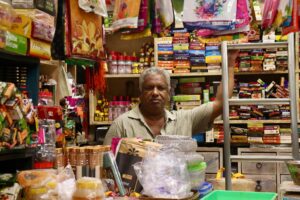
The Esquilino district, particularly around Piazza Vittorio Emanuele II, is the heart of Rome’s multicultural food scene. Stores like Asia Supermarket and Selli International stock everything an Indian kitchen needs.
| Product Category | Available Items | Average Price Range (€) |
|---|---|---|
| Staples | Basmati Rice (5kg), Atta (5kg), Toor Dal, Moong Dal | €12.00 – €18.00 |
| Spices | Turmeric, Garam Masala, Cumin, Hing, Chili Powder | €1.50 – €4.00 per pack |
| Fresh Produce | Okra (Bhindi), Bitter Gourd (Karela), Green Chilies, Ginger | €3.00 – €6.00 per kg |
| Essentials | Parle-G, Maggi, Paneer (Frozen), Pickles, Ghee | €2.00 – €10.00 |
Indian Restaurants in Rome
For days when you don’t want to cook, Rome offers several authentic dining options. Prices generally range from €15 to €30 per person for a full meal.
- Krishna 13: Known for classic North Indian cuisine and a welcoming atmosphere.
- Himalaya’s Kashmir: Located near the city center, offering a range of Mughlai dishes.
- Gandhi 2: A popular spot for students looking for reliable curry and naan options.
University Canteen Vegetarian Options
The “Mensa” (University Canteen) at Tor Vergata is highly subsidized for students. While traditional Indian food is not served, there are always vegetarian pasta dishes, grilled vegetables, and legume-based soups that align with Indian dietary preferences. A full meal at the Mensa typically costs between €2.50 and €7.00 depending on your ISEE bracket.
Celebrating Indian Festivals in Rome
The Indian community ensures that being away from home doesn’t mean missing out on major celebrations. Festivals are often the highlight of the social calendar at Tor Vergata.
- Diwali: Celebrations are often held at the Indian Embassy in Rome or organized by student groups in rented halls. Expect diyas, Bollywood music, and community potlucks.
- Holi: Large-scale Holi events are frequently organized in Rome’s public parks or by international student organizations, attracting both Indians and curious locals.
- Independence Day: The Indian Embassy hosts a flag-hoisting ceremony on August 15th, which is a proud moment for students to connect with the diaspora.
- University Multicultural Events: Tor Vergata often hosts “International Days” where Indian students set up stalls featuring henna art, traditional clothing like sarees and kurtas, and Indian snacks.
Culture Shock & How Indian Students Cope
Adapting to Rome requires a shift in mindset. Understanding these differences early can significantly improve your university experience.
Language Barrier
While your MBBS or Engineering courses are in English, daily life in Rome—supermarkets, government offices, and local cafes—is conducted in Italian. Many Indian students find that while “survival Italian” is easy to learn, deeper social integration requires consistent effort.
Academic Culture
The Italian university system emphasizes oral exams. Unlike the written-heavy Indian system, you may find yourself sitting in front of a professor and an audience of peers, defending your knowledge verbally. This can be intimidating initially but builds immense confidence and communication skills.
Social Norms
Life in Lazio moves at a different pace. The concept of “La Dolce Vita” means Italians value leisure and long meals. Dining culture is strict; for example, ordering a cappuccino after 11:00 AM is considered unusual. Learning to embrace the slow, social rhythm of Rome helps in managing academic stress.
Weather Adjustment
Rome has a Mediterranean climate. While summers are hot and familiar to Indians, winters can be damp and chilly, though rarely reaching freezing temperatures. Investing in a good quality waterproof jacket and thermal wear is essential for the months of December through February.
Learning Italian in Rome
Proficiency in Italian is the key to unlocking better part-time job opportunities and deeper friendships.
- University Courses: Tor Vergata offers free or highly subsidized Italian language courses for international students through its linguistic center (CLA).
- Language Apps: Duolingo and Babbel are popular for building basic vocabulary before arrival.
- Language Exchange: “Tandem” events in Rome allow you to practice Italian with locals who want to improve their English.
Practical Day-to-Day Tips for Indian Students in Rome
- SIM Card: Providers like Iliad, WindTre, and Vodafone offer affordable student plans (around €10-€15/month) with high data limits.
- Pharmacy: Look for the “Farmacia” sign (a green cross). Most pharmacists speak basic English and can help with common ailments.
- Emergency Contacts: Dial 112 for general emergencies. Keep the contact details of the Indian Embassy in Rome (Via XX Settembre, 5) saved.
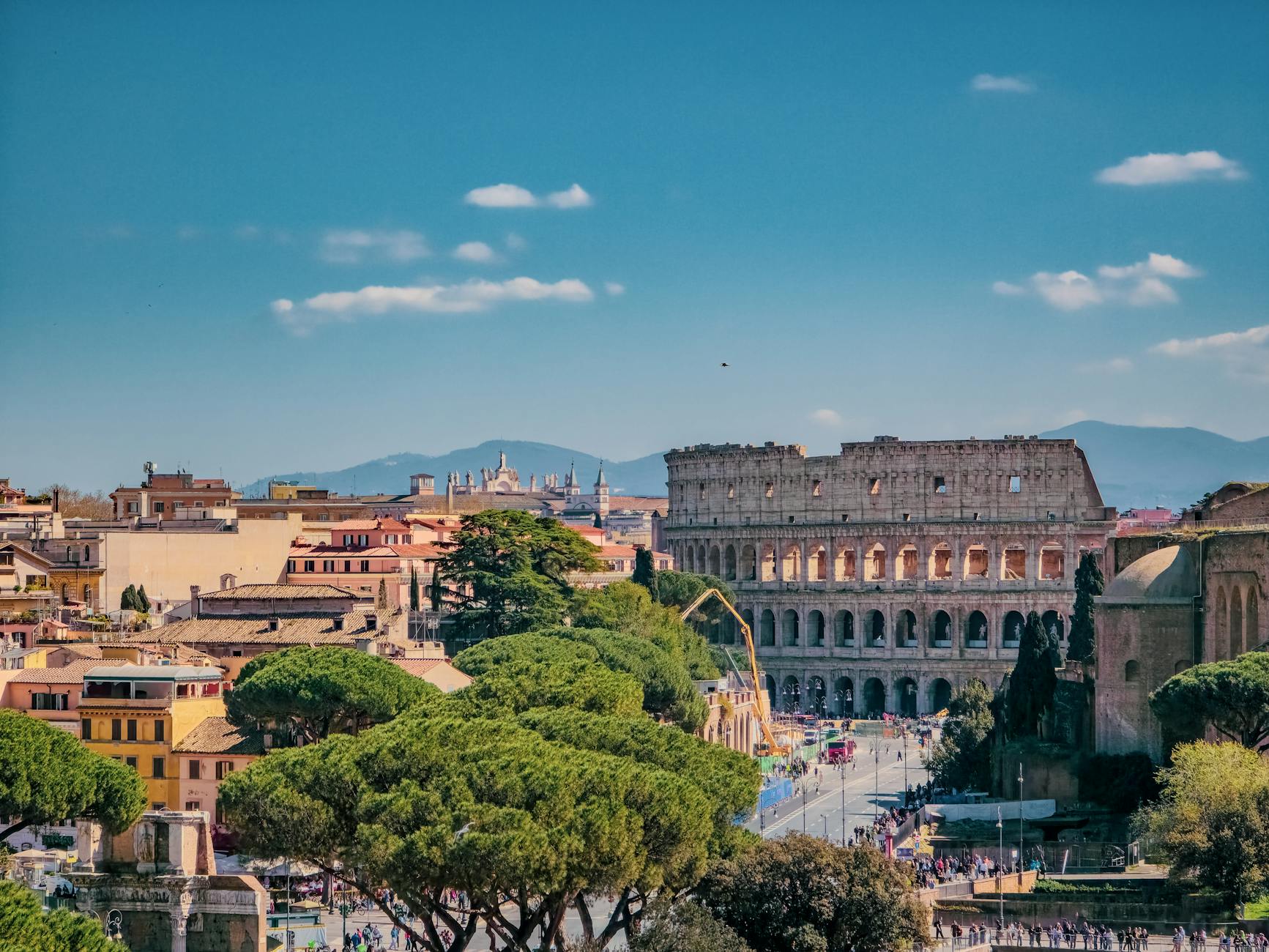
- Weekend Safety: Rome is generally safe, but be mindful of pickpockets in crowded tourist areas like the Colosseum or on the Termini-bound buses.
Frequently Asked Questions (FAQs)
1. Is Rome safe for Indian students?
Yes, Rome is very safe for international students. Like any major city, petty crimes like pickpocketing occur in tourist areas, but violent crime is rare. Students should exercise standard precautions, especially at night.
2. Can I find Indian vegetarian food easily?
Absolutely. Most Italian supermarkets stock lentils, rice, and fresh vegetables. There are also numerous dedicated Indian grocery stores in the Esquilino area near Termini station.
3. Do I need to speak Italian to study at Tor Vergata?
If you are enrolled in an English-taught program, you do not need Italian for your classes. However, basic Italian is highly recommended for daily errands, administrative tasks, and socializing.
4. How do Indian students manage the “Oral Exam” system?
It takes practice. Most students find that joining study groups with local Italian students helps them understand the style and expectations of professors. Recording your own practice sessions can also help.
5. Are there many Indian restaurants near the campus?
The campus is located in a more residential/university zone, so most authentic Indian restaurants are a metro ride away in the city center. However, the student community often organizes group dinners.
6. How do I join the Indian community before arriving?
Look for Facebook groups like “Indian Students in Rome” or reach out to the university’s international office to see if they can put you in touch with current Indian student ambassadors.
7. What is the biggest culture shock for Indians?
The “Pausa” (afternoon break) where shops close for a few hours in the afternoon, and the different pace of bureaucracy are often the biggest adjustments for Indian students used to 24/7 service.
Join the Indian Community at Tor Vergata — Apply Now
Embarking on a medical or engineering career in the heart of Italy is a journey of growth, academic excellence, and cultural discovery. If you have questions about the application process, visa requirements, or settling into life in Rome, our expert counselors are here to help you every step of the way.
Contact International Student Consultants (ISC) today for a free consultation!