Italy Student Visa Guide for University of Pisa Students: Step-by-Step Process 2026
Securing an Italy student visa University of Pisa Indian students is the most critical step for those planning to study in one of Europe’s most prestigious academic hubs. As the University of Pisa continues to attract top talent from India, understanding the updated 2026 visa regulations is essential for a smooth transition. This guide provides a comprehensive, data-backed roadmap for Indian students and parents to navigate the Type D National Visa process, ensuring you meet every requirement from financial proof to the final embassy interview.
Overview — The Type D National Student Visa
For Indian students enrolled in full-time degree programs at the University of Pisa, the Type D National Student Visa is mandatory. Unlike short-stay Schengen visas, the Type D visa is designed for stays exceeding 90 days. It serves as your legal entry permit, which you must later convert into a residence permit (Permesso di Soggiorno) within eight days of your arrival in Pisa. This visa allows you to travel freely within the Schengen area for up to 90 days in any 180-day period, but its primary purpose is to facilitate your long-term academic residency in Italy.
According to current Italy student visa guide regulations, the application must be initiated through the Universitaly portal, followed by a physical appointment at a VFS Global center in India. With a high success rate for Indian applicants, preparation remains the key to avoiding common pitfalls such as insufficient financial documentation or incorrect local jurisdiction filings.
Complete Document Checklist
A successful application depends on the precision of your paperwork. Ensure all documents are original, updated, and accompanied by Italian translations where necessary.
| Document | Details | Where to Get It | Format Required |
|---|---|---|---|
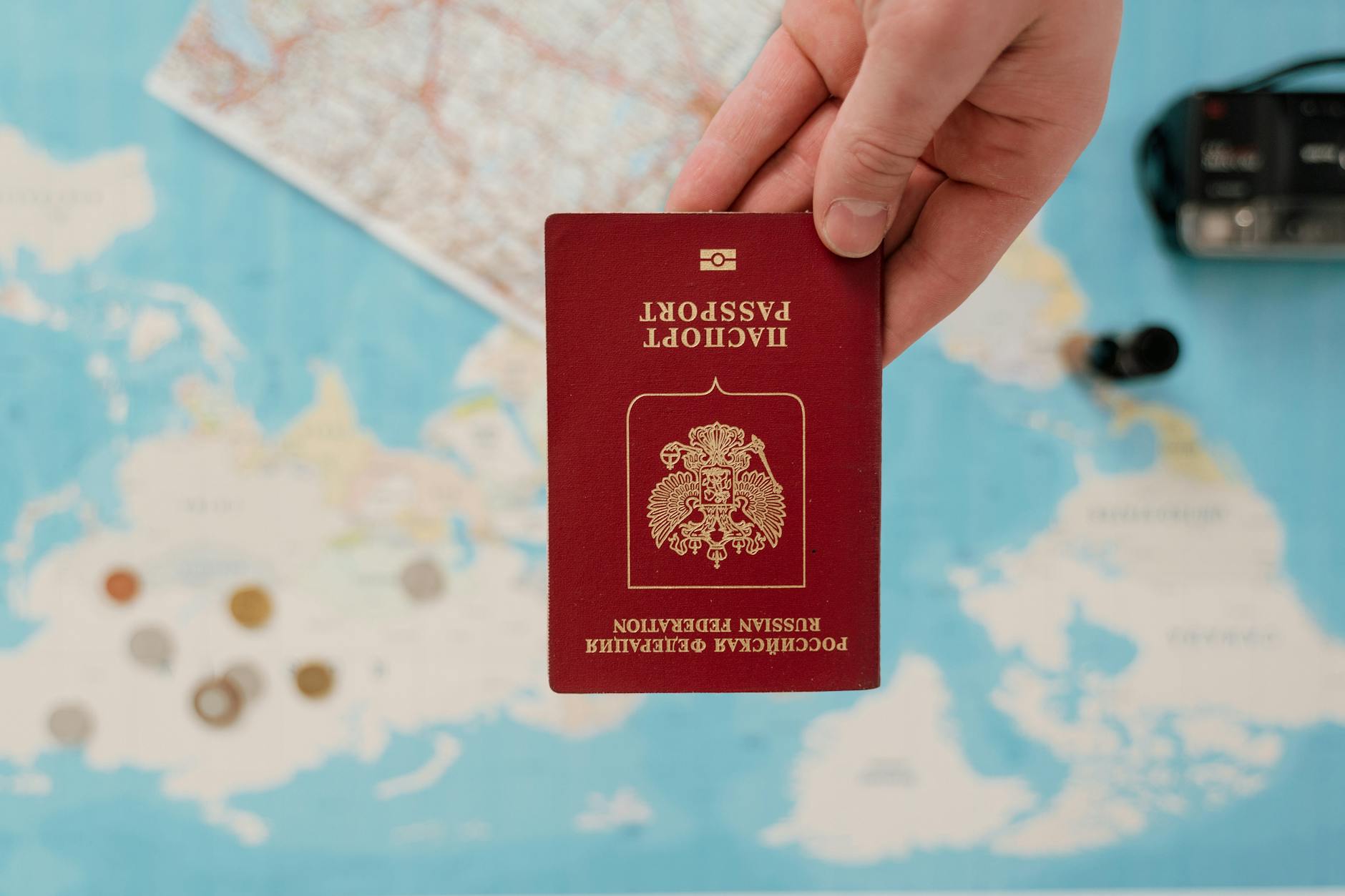
| Valid Passport | Must be valid for at least 3 months beyond your intended stay in Italy. | Passport Seva Kendra | Original + 2 Photocopies |
| University of Pisa Admission Letter | Official acceptance or pre-enrollment summary from the university. | Universitaly Portal / University Portal | Printed PDF |
| IMAT Result (MBBS applicants) | Required for students enrolling in the Medicine and Surgery program. | Universitaly / IMAT official site | Digital Scorecard Printout |
| Bank Statement €6,500+ | Proof of personal or family funds covering at least €448.52 per month. | Your Bank (Authorized Stamp/Sign) | Original (Last 6 Months) |
| Accommodation Proof in Pisa | Booking confirmation, rental agreement, or host declaration (Dichiarazione di Ospitalità). | University Housing / Private Landlord | Booking Voucher or Signed Form |
| Health Insurance | Minimum coverage of €30,000 for emergency medical and repatriation. | Recognized Insurance Provider | Policy Schedule |
| Passport Photo ×4 | Recent color photos (3.5 x 4.5 cm) with a white background. | Professional Photographer | Physical Hardcopies |
| Flight Booking | Confirmed one-way or round-trip flight reservation (Dummy booking accepted). | Travel Agency / Airline | Printed Itinerary |
Financial Requirements
The Italian Embassy requires strict proof that you can sustain your cost of living in Pisa without seeking illegal employment. For 2026, the baseline requirement is approximately €6,500 for the first academic year. However, aiming for €7,500–€8,000 is recommended to cover initial settling-in costs.
- Minimum Balance: You must show a minimum of €448.52 per month for 13 months. This should be reflected in a personal or parental bank account that shows steady transactions over the last six months.
- Scholarship as Financial Proof: If you have been awarded a DSU scholarship or a university merit grant, the scholarship award letter can serve as a primary or supplementary scholarship as financial proof. If the scholarship covers full board and lodging, the cash balance required in your bank account may be significantly reduced.
- FD vs. Savings: While liquid savings are preferred, Fixed Deposits (FDs) are generally accepted if they are accompanied by a bank letter stating they can be liquidated at any time. Sudden large deposits are a red flag; ensure any major transfers are explained with a source of income (e.g., sale of property or maturing investments).
VFS Appointment — Step-by-Step
The visa filing process in India is managed by VFS Global. It is advisable to book your slot at least 2–3 months before your departure date, as slots fill up quickly during the peak July–August season.
- Online Booking: Register on the VFS Italy portal and select the jurisdiction based on your permanent residence (Delhi, Mumbai, Kolkata, or Chennai). Ensure the details on your appointment letter match your passport exactly.
- Appointment Day: Carry your complete document file, the Universitaly summary, and the VFS appointment letter. You will submit your physical application and undergo biometrics (fingerprints and photo).
- Biometrics: This is a standard procedure for all Type D visa applicants. It is usually quick, but ensure your fingers are free of any henna or temporary tattoos.
- Processing Time: Official processing times range from 15 to 45 days. You can track your application status via the VFS website or SMS alerts.
Embassy Interview — What to Expect
While not every student is called for an interview, the Embassy of Italy reserves the right to request one for clarification. The tone is usually formal but helpful.
Common Questions
- Why did you choose the University of Pisa specifically?
- What is the duration of your course and what are your career plans after graduation?
- How will your family fund your education and stay in Italy?
- Do you have any relatives currently living in the Schengen area?
Preparation Tips
- Know Your Course: Be prepared to discuss specific modules of your program at Pisa.
- Financial Clarity: Be ready to explain your sponsor’s income sources and the stable balance in your bank statement.
- Ties to India: Emphasize your intent to return to India or pursue global opportunities after your degree, showing you have no intention of overstaying illegally.
After Visa Approval — First Week in Pisa
Receiving your visa is only the beginning. Once you land in Italy, you must complete several administrative tasks to legalize your residency and access university services.
- Permesso di Soggiorno: You must apply for your residence permit within 8 working days of arrival. Visit a “Sportello Amico” at a local Post Office to collect the “kit postale.” The cost is approximately €100–€120 including the electronic card fee and stamp duty.
- University of Pisa Enrolment: Finalize your registration at the University of Pisa International Office. You will need to present your original transcripts and your new visa.
- Codice Fiscale: This is your Italian tax code, essential for opening a bank account, signing a lease, or getting a SIM card. You can often obtain this at the Italian Consulate in India before departure or at the Agenzia delle Entrate in Pisa upon arrival.
- Bank Account and SIM Card: Popular banks like Intesa Sanpaolo or UniCredit offer student accounts. For mobile data, providers like Iliad or WindTre are common choices near the university campus.
Pisa-Specific Guidance
Pisa is a student-centric city with a supportive local environment. For Indian students, navigating the city is relatively straightforward given its compact size and high student density.
- Consular Jurisdictions: Most students from Pisa will fall under the jurisdiction of the Italian Embassy in New Delhi or the Consulate General in Mumbai, depending on their home state in India.
- Local Indian Community: Pisa has a growing Indian student community. Groups on social media and university associations can help with finding shared apartments or Indian groceries.
- VFS Centers: Ensure you apply at the VFS center that covers your region. For example, South Indian students must use the Chennai or Hyderabad centers, while West Indian students use Mumbai or Ahmedabad.
FAQs
1. Can I work in Italy with a Type D Student Visa?
Yes, Indian students are legally allowed to work part-time for up to 20 hours per week during the semester and full-time during university breaks. This is a great way to manage your daily expenses in Pisa.
2. Do I need to learn Italian for the visa interview?
If your course at the University of Pisa is taught in English, you do not need Italian proficiency for the visa. However, basic Italian is highly recommended for daily life and your Permesso di Soggiorno application.
3. What if my visa application is rejected?
Rejections are rare if documents are correct. If rejected, you will receive a formal letter stating the reasons. You have the right to appeal or re-apply with corrected documentation, especially regarding financial proof.
4. Is health insurance from India valid for the visa?
Yes, as long as it meets the minimum €30,000 coverage requirement and is valid across all Schengen countries. Ensure the policy explicitly mentions Italy.
5. Can I use my parents’ bank statements as financial proof?
Yes, parents are the most common sponsors. You will need a notarized sponsorship letter and their ITR (Income Tax Return) for the last three years to support the bank statements.
6. How early should I start the visa process?
You should start as soon as you receive your validation from the Universitaly portal. Ideally, this is 3–4 months before your course start date in September.
Get Complete Visa Filing Support
Navigating the complexities of Italian visa regulations can be overwhelming. From document apostille to financial vetting, our experts ensure your application is airtight. For personalized guidance on your University of Pisa visa journey, contact us today to speak with a dedicated counselor.