Student Accommodation Guide for University of Padua: Types, Cost & How to Find Housing
Securing the right University of Padua student accommodation Indian students need is a critical milestone in planning your education at one of the world’s oldest and most prestigious institutions. Located in the heart of the Veneto region, Padua (Padova) is a quintessential student city where nearly one-third of the population is connected to the university. While the academic opportunities are world-class, the housing market can be competitive. This guide provides a comprehensive breakdown of costs, neighborhoods, and application strategies to ensure Indian students find a safe and affordable home while pursuing their international studies.
Overview — Housing in Padua as an Indian Student
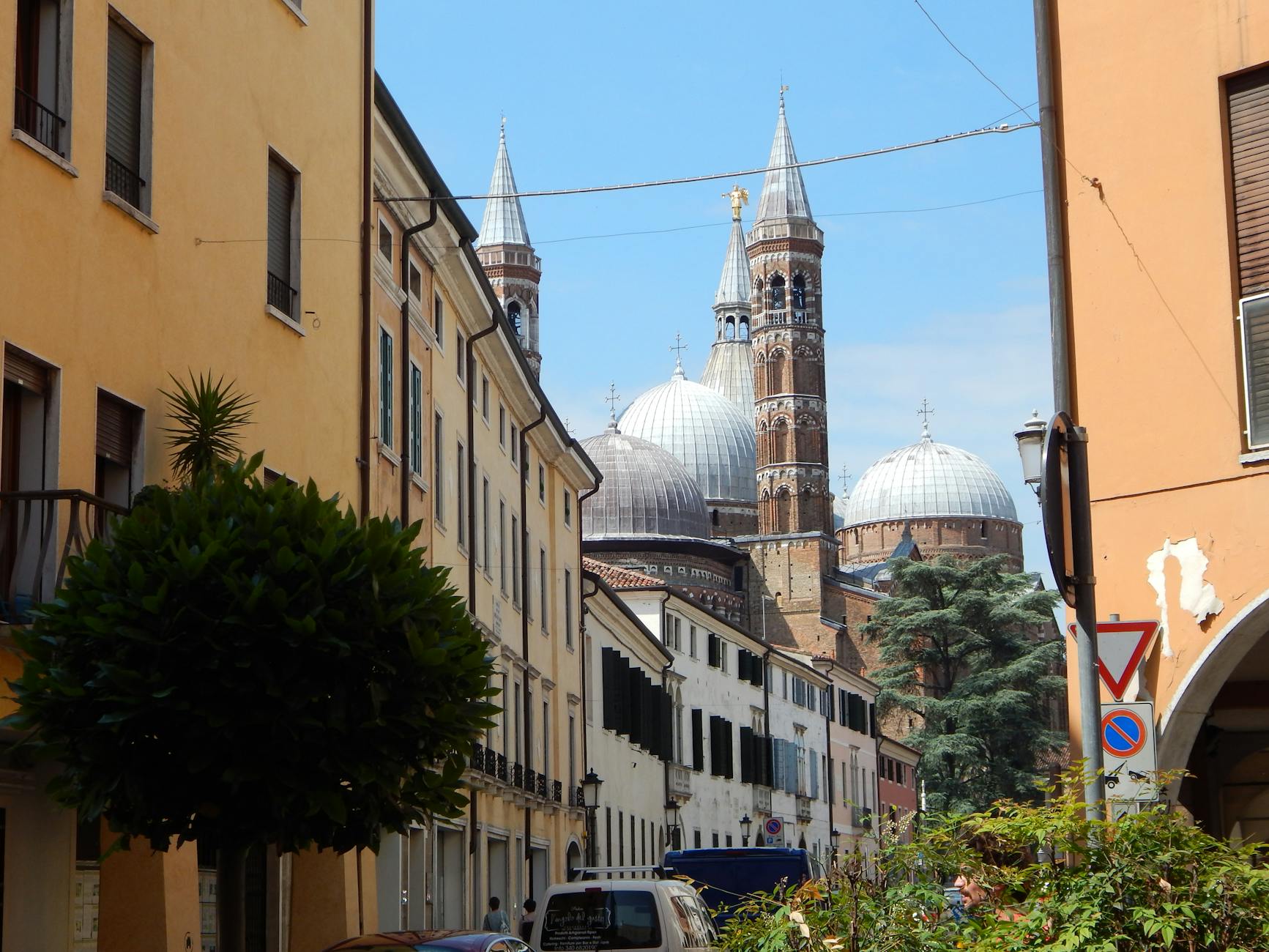
Padua offers a unique living experience that blends medieval charm with a vibrant, modern student culture. For Indian parents and students, understanding the local landscape is vital. Unlike many Indian universities that guarantee on-campus hostels, Italian universities often rely on a mix of regional government housing (ESU/DSU) and a private rental market. The “student city” nature of Padua means that while services are tailored to students, demand peaks sharply in September and October. Navigating this requires early planning, often starting 4–6 months before your Italy student visa interview.
Cost is generally more manageable in Padua compared to Milan or Rome, but higher than in southern Italian cities. A typical monthly budget for housing ranges from €250 for subsidized dorms to €800 for private studios. Most Indian students find a comfortable middle ground in shared apartments, which foster community and help manage the cost of living in Italy effectively.
Types of Accommodation at University of Padua
There are four primary housing categories available to international students. Each varies significantly in price, privacy, and application requirements.
| Type | Monthly Cost (EUR) | Monthly Cost (INR) | Includes | Best For |
|---|---|---|---|---|
| DSU/ESU University Residence | €135 – €420 | ₹12,200 – ₹38,000 | Utilities, Wi-Fi, cleaning, furniture | Budget-conscious students with high GPA/low income |
| Shared Apartment (2–3 bed) | €300 – €550 | ₹27,000 – ₹49,500 | Private room, shared kitchen/bath (bills extra) | Most students; social interaction and flexibility |
| Private Studio (Monolocale) | €600 – €1,000 | ₹54,000 – ₹90,000 | Entire private unit, kitchen, bathroom | Students prioritizing privacy and quiet study |
| Homestay/Host Family | €500 – €800 | ₹45,000 – ₹72,000 | Room, meals (often 2/day), utilities | Students wanting cultural immersion and home-style support |
DSU University Housing — How to Apply
In Padua, the regional agency for the Right to Study is known as ESU di Padova. This is the most sought-after University of Padua student accommodation Indian students apply for due to the heavy subsidies. The ESU manages over 1,600 beds across 21 residences, providing a safe and multicultural environment.
- What it Covers: Rooms are fully furnished and include high-speed internet, heating, and water. Many residences feature study halls, gyms, and laundry facilities.
- Eligibility & GPA: Selection is based on two factors: economic condition (verified through the ISEE-U Parificato document) and academic merit. While first-year students are ranked primarily on income, second-year students and beyond must maintain a specific number of credits (CFU) to retain their spot.
- Application Timeline: The “Bando” (official announcement) usually opens in July. Indian students must have their family income documents apostilled and translated in India well in advance to meet the August deadlines.
- Financial Benefits: If you are eligible for the Italy scholarship, your housing costs may be deducted directly from your scholarship grant, sometimes making your stay virtually free.
Shared Apartments — The Most Popular Option
For those who do not secure a DSU spot or prefer more independence, shared apartments (private market) are the standard. This involves renting a single room (“singola”) or a bed in a double room (“doppia”) within a larger flat.
How to Find Private Housing
- Web Portals: Immobiliare.it and Idealista are the most professional Italian platforms. For international students, HousingAnywhere and Spotahome offer “verified” listings where you can book online before leaving India.
- Facebook Groups: Search for “Affitti Padova” or “Cerco Casa Padova.” These are excellent for finding rooms directly from other students, but be wary of scams—never send money before a video call or seeing the contract.
- University Boards: Physical notice boards in departments like the engineering guide building or the medical campus often have “Wanted” flyers.
Typical Contract Terms
- Deposit: Expect to pay 2 to 3 months of rent as a security deposit (Cauzione). This is refundable at the end of your stay.
- Lease Types: The most common for students is the “Contratto Transitorio per Studenti,” which lasts 6 to 36 months and offers lower tax rates for landlords, often resulting in slightly lower rent for you.
- Bills (Spese): Check if the rent is “All-Inclusive” or if utilities like gas, electricity, and “Spese Condominiali” (building maintenance) are extra.
Best Neighbourhoods in Padua for Indian Students
Padua is a compact city, but choosing the right neighborhood can save you hours of commuting and hundreds of euros.
Portello & Santo — Near Campus
Portello is the heart of student life. It is exceptionally close to the technical and economic faculties. Living here means you are minutes away from university libraries and the famous “Spritze” culture. While prices are slightly higher due to demand, the convenience is unmatched for those in the Padua MBBS guide program or engineering.
Arcella — The Affordable Choice
Located just north of the train station, Arcella is one of the most diverse and affordable areas in Padua. It is well-connected to the center by the city’s efficient tram system. Many Indian students choose Arcella because of its lower rents and the presence of international grocery stores where you can find familiar spices and ingredients.
What to Avoid: Tourist-Heavy Areas
The “Centro Storico” (historic center) around Piazza delle Erbe is beautiful but can be noisy and expensive. Rents here are often inflated by short-term tourist demand. Unless you find a rare student-specific deal, these areas might strain your budget without providing extra academic benefits.
Step-by-Step: Securing Accommodation Before You Arrive
- Start Early (4–6 Months Out): Do not wait for your visa to be approved. Research neighborhoods and price points as soon as you apply to the university.
- Prepare Documentation: Landlords will ask for your Admission Letter, Passport, and often proof of financial means (the same documents you use for your visa).
- The Video Call: If you cannot visit in person, insist on a live video tour of the apartment. Check the water pressure, window seals, and the “feel” of the housemates.
- Review the Contract: Ensure the contract is registered with the “Agenzia delle Entrate.” An unregistered contract is illegal and will not be accepted for your Residence Permit (Permesso di Soggiorno) application.
Common Mistakes Indian Students Make
Many students arrive in Italy with high expectations but encounter avoidable hurdles. Here is how to stay ahead:
- Arriving Without a Confirmed Address: Airbnbs are expensive in September. Having at least a one-month temporary stay confirmed is essential for your visa and peace of mind.
- Paying Agencies Upfront: Be careful with agencies that ask for “registration fees” before showing you any houses. Use reputable platforms or direct student-to-student transfers.
- Ignoring the “Codice Fiscale”: You cannot sign a legal lease in Italy without your Italian tax code. Apply for this through the Italian Consulate in India before you fly.
- Not Budgeting for “Condominio”: Building fees can add €30–€70 to your monthly cost. Always clarify if the advertised price is “spese incluse” (inclusive of bills).
FAQs
Is it hard for Indian students to find housing in Padua?
It can be competitive, especially in September. However, by starting early and using platforms like HousingAnywhere or ESU, most Indian students secure a place within 2–3 months of searching.
How much does a single room in Padua cost on average?
In 2026, a single room in a shared apartment typically costs between €350 and €500 per month, depending on the neighborhood and apartment quality.
Can I apply for ESU housing if I am a self-funded student?
Yes. ESU housing is available to all students, but priority is given to those who meet specific income and merit criteria defined in the annual Bando.
Do apartments in Padua come furnished?
Most student-specific rentals are furnished with a bed, desk, and wardrobe. However, you may need to buy your own pillows, bedsheets, and kitchen utensils.
Is Arcella safe for Indian students?
Yes, Arcella is a popular residential area for students and families. Like any city area near a train station, standard safety precautions should be taken at night, but it is generally considered safe and vibrant.
How much is the typical security deposit in Italy?
Standard practice in Italy is a deposit of 2 to 3 months’ rent. This must be returned to you at the end of the lease, provided there is no damage to the property.
Can I change my accommodation after arriving?
Yes, but check your contract’s “notice period” (Disdetta). Most student contracts require 1 to 3 months’ notice before you can move out without losing your deposit.
Need Help with Housing?
Navigating the Italian rental market from India can be overwhelming. From verifying contracts to finding the best student-friendly neighborhoods near the University of Padua, our experts are here to guide you. Ensure a smooth transition to your new life in Italy by getting professional support. Contact ISC today for a personalized consultation on housing and visa requirements!