Student Accommodation Guide for University of Pisa: Types, Costs & How to Find Housing
Finding the right home is a critical first step for any scholar planning to study in Italy. For those securing admission to the historic University of Pisa, understanding the local housing market is essential to balancing your budget and academic success. This guide provides a comprehensive breakdown of University of Pisa student accommodation Indian students need to know about, covering everything from subsidized government housing to private rentals in the heart of Tuscany.
Housing Overview in Pisa for International Students
Pisa is one of Italy’s most famous university cities, where the student population significantly influences the local atmosphere and economy. Unlike many North American or Indian campuses, the University of Pisa does not have a centralized “campus” with all dormitories in one place. Instead, departments and housing options are spread throughout the city, making it a truly “university city.”
For Indian students, the housing market in Pisa is generally more affordable than in major hubs like Milan or Rome, but it requires early planning. Most students opt for shared apartments to manage costs, while those meeting specific economic criteria can apply for highly subsidized residences through DSU Toscana. Whether you are looking for MBBS in Pisa or engineering in Pisa, securing your spot early—ideally 3 to 4 months before your semester starts—is the key to a stress-free transition.
All Accommodation Types
The following table summarizes the primary housing options available to international students in Pisa, along with estimated monthly costs in both Euro and Indian Rupees (calculated at an approximate exchange rate of 1 EUR = 90 INR).
| Type | Monthly EUR | Monthly INR | What’s Included | Best For |
|---|---|---|---|---|
| DSU Toscana Residence | €0 – €250 | ₹0 – ₹22,500 | Utilities, Wi-Fi, Furniture, Cleaning | Scholarship winners and low-income students |
| Shared Apartment (Single Room) | €300 – €450 | ₹27,000 – ₹40,500 | Furniture (Utilities often extra) | Most Indian students seeking balance and social life |
| Private Studio | €600 – €850 | ₹54,000 – ₹76,500 | Private Kitchen/Bath | PhD students or those prioritizing privacy |
| Homestay/Host Family | €500 – €700 | ₹45,000 – ₹63,000 | Meals often included, Utilities | Students wanting cultural immersion |
DSU University Housing — How to Apply
The DSU Toscana (Azienda Regionale per il Diritto allo Studio Universitario della Toscana) is the regional agency that manages student welfare, including housing and scholarships, for all universities in Tuscany. This is the most sought-after option because it is either free (for scholarship winners) or significantly cheaper than the market rate.
- What it Covers: DSU residences provide fully furnished rooms, usually in shared apartments or dorm-style buildings. Residents often get access to university canteens and laundry facilities.
- Application Portal: Applications must be submitted through the official DSU Toscana online portal. Indian students must provide their ISEE Parificato (an economic indicator certificate) to prove their financial standing.
- Key Deadlines: The call for applications usually opens in July and closes by early September. It is vital to check the scholarships in Italy section frequently for updated dates.
- GPA Renewal Requirement: While first-year students are often selected based on family income, maintaining your spot in subsequent years requires meeting specific academic credit (CFU) targets.
Shared Apartments — Most Popular with Indian Students
Due to the limited number of DSU beds, the majority of Indian students live in private shared apartments. This option offers more flexibility in terms of location and choice of flatmates.
- Platforms: Popular websites include Immobiliare.it, Idealista, and HousingAnywhere. Additionally, Facebook groups like “Pisa Students” or “Affitti per Studenti a Pisa” are excellent for finding rooms directly from outgoing students.
- Lease Types: Most student contracts (Contratto Transitorio per Studenti) last for 6 to 12 months. Ensure you receive a registered contract to apply for your Italy student visa or Permesso di Soggiorno.
- Deposit Norms: Landlords typically request a security deposit equivalent to 2 to 3 months of rent. This is refundable at the end of your stay, provided there is no damage to the property.
- Utilities Split: In many shared flats, the base rent (canone) does not include “spese” (utilities like gas, water, electricity, and internet). Students split these bills monthly, which adds about €50–€100 to the cost of living in Italy.
Best Neighbourhoods in Pisa for Indian Students
The layout of Pisa is relatively compact, making most areas accessible by foot or bicycle. However, choosing the right neighbourhood can save you significant time and money.
Closest to University of Pisa Campus — Affordable & Student-Heavy
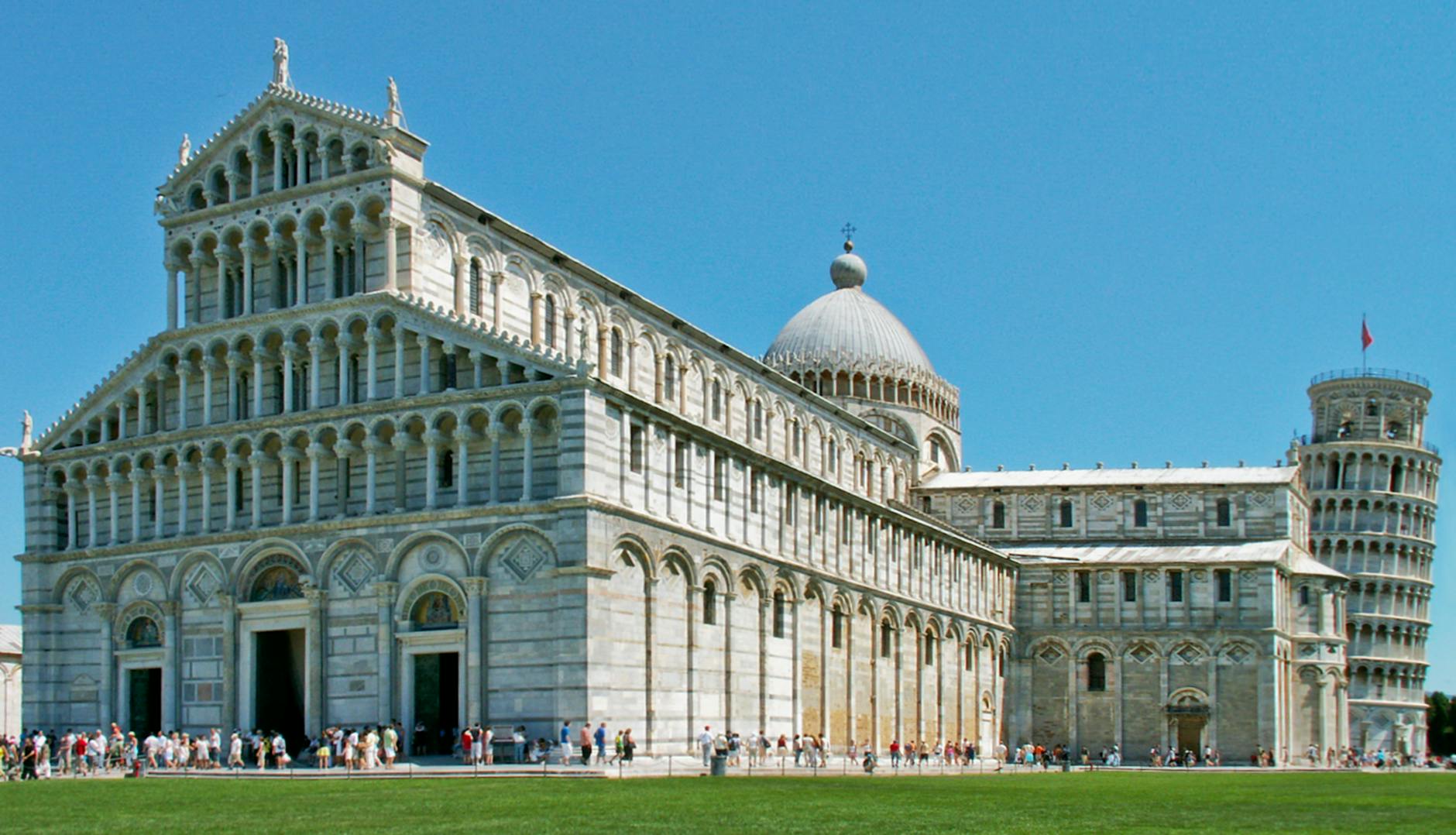
San Francesco and Santa Maria are the heart of student life. These areas house many university departments and the main libraries. While Santa Maria is closer to the Leaning Tower and can be touristy, San Francesco offers a lively, authentic student atmosphere with many affordable cafes and bars.
Popular with International Students — Social, Well-Connected
San Martino and Sant’Antonio are located south of the Arno River. These areas are slightly quieter but offer excellent connectivity to the Pisa Centrale train station. They are popular with international students because of the variety of renovated apartments and proximity to the city’s main shopping streets.
Avoid — Tourist-Heavy Areas with Inflated Rents
Avoid apartments located directly on the main tourist paths leading to the Piazza dei Miracoli. Rents here are often inflated, and the noise from tourist crowds can be a distraction. Additionally, some remote outskirts like Cisanello are cheaper but may require a long bus commute to reach central university buildings.
Step-by-Step: Securing Accommodation Before Arriving
Securing a room from India can be challenging but is highly recommended to avoid staying in expensive hotels upon arrival.
- Start Early: Begin your search 3–4 months before your departure. The peak season for room hunting is July and August.
- Prepare Documents: Have digital copies of your University of Pisa admission letter, passport, and financial proof (scholarship letter or bank statements) ready to send to landlords.
- Verify Listings: Use trusted platforms like HousingAnywhere which offer payment protection. Never wire money via Western Union or to personal accounts without a signed contract.
- Book Temporary Housing: If you cannot find a permanent room, book a bed in a student hostel or a “Safestay” for your first 10 days to allow for in-person viewings.
Common Mistakes Indian Students Make (and Fixes)
- Paying without a Contract: Fix: Always insist on a written “Contratto di Affitto” registered with the Agenzia delle Entrate. You need this for your residence permit.
- Ignoring “Spese Condominiali”: Fix: Ask clearly if the rent includes building maintenance fees. Sometimes a “cheap” room becomes expensive once these are added.
- Underestimating Distance: Fix: Check the walking distance to your specific department on Google Maps. Pisa is small, but a 30-minute walk in the winter rain can be difficult.
- Not Checking for Heating: Fix: Winters in Pisa can be damp. Ensure the apartment has a functional heating system (riscaldamento) and ask about average winter gas bills.
FAQs
Is it hard for Indian students to find housing in Pisa?
It is not necessarily “hard,” but it is competitive. Because Pisa is a student-centric city, the best rooms are taken quickly. Starting your search in early summer is essential.
Do I need to speak Italian to rent a room?
While many landlords speak basic English, having a friend who speaks Italian or using translation apps for contracts is helpful. Major platforms like Idealista are available in English.
How much is the average security deposit?
Expect to pay 2 months of rent as a deposit. Some landlords may ask for 3 months, but this is less common for student-specific contracts.
Are utilities included in the rent?
In DSU residences, yes. In private apartments, utilities (water, gas, electricity) are usually extra. Always ask the landlord for an estimate of these monthly costs.
Can I live in nearby towns like Cascina or Lucca?
Yes, towns like Cascina are only 15–20 minutes away by train and may offer cheaper rent. However, you will need to factor in the cost and time of daily commuting.
What is the ISEE and why do I need it for housing?
The ISEE is a financial health certificate used in Italy. You need a specific version called “ISEE Parificato” to qualify for subsidized DSU housing or reduced canteen rates.
Need Help with Housing?
Navigating international rentals and DSU applications can be overwhelming for first-time students. If you need assistance with your documentation or finding a safe place to stay, our team is here to help. Contact us today for expert guidance on settling into your new life in Pisa.