A Day in the Life of an Engineering Student at University of Turin: Real Indian Student Experience
Embarking on a journey to study abroad is a monumental decision for any family. For those considering technical education in Italy, understanding the engineering student life University of Turin Turin Indian students encounter is essential. Known as Politecnico di Torino (PoliTO), this institution is a global leader in innovation. Life here is a rigorous yet rewarding blend of high-level theory, hands-on laboratory work, and a vibrant multicultural atmosphere in the heart of Italy’s industrial capital.
Whether you are pursuing a Bachelor’s or a Master’s degree, the experience is designed to transform you into a global engineer. With a focus on engineering in Turin, students find themselves at the intersection of prestigious tradition and future-tech, all while navigating the charming streets of Piedmont.
First Impression — What Indian Engineering Students Say About University of Turin
The first thing that strikes most Indian students is the scale and the history of the campus. Unlike many Indian private colleges, PoliTO is deeply integrated into the city. Students often remark on the “seriousness” of the academic culture. It is not just about passing exams; it is about mastering the fundamental physics and mathematics that underpin every engineering solution.
Many Indian parents are pleased to find that the cost of living in Italy, specifically in Turin, is significantly more affordable than in London or Milan. Students appreciate the “international feel,” where they work alongside peers from over 100 countries, though they often caution that the theoretical workload is much higher than what they were used to back home.
A Typical Day — Bachelor’s Year 1
The first year of a Bachelor’s program is the foundation. It is intense and focuses heavily on core sciences to ensure every student has the same high-level starting point.
Morning — Core Engineering Lectures (Maths, Physics, Computing)
The day usually starts early, around 8:30 AM. Large lecture halls are filled with students diving into Calculus, Physics I, or Computer Science fundamentals. In Italy, lectures are highly structured. Professors expect you to take detailed notes, as the “official” textbook is often supplemented by the professor’s specific “dispense” (lecture notes). For an Indian student, the depth of theoretical derivation can be surprising, but it builds incredible analytical discipline.
Afternoon — Lab Sessions & Tutorials
After a quick lunch at the “Mensa” (university canteen), where you can get a full meal for a subsidized price, you head to tutorials or basic labs. In the first year, this might involve computer programming labs or physics experiments. These sessions are where you apply the morning’s theory. It’s also the time when you start forming study groups—essential for survival in the Italian system.
Evening — Group Projects & Self-Study
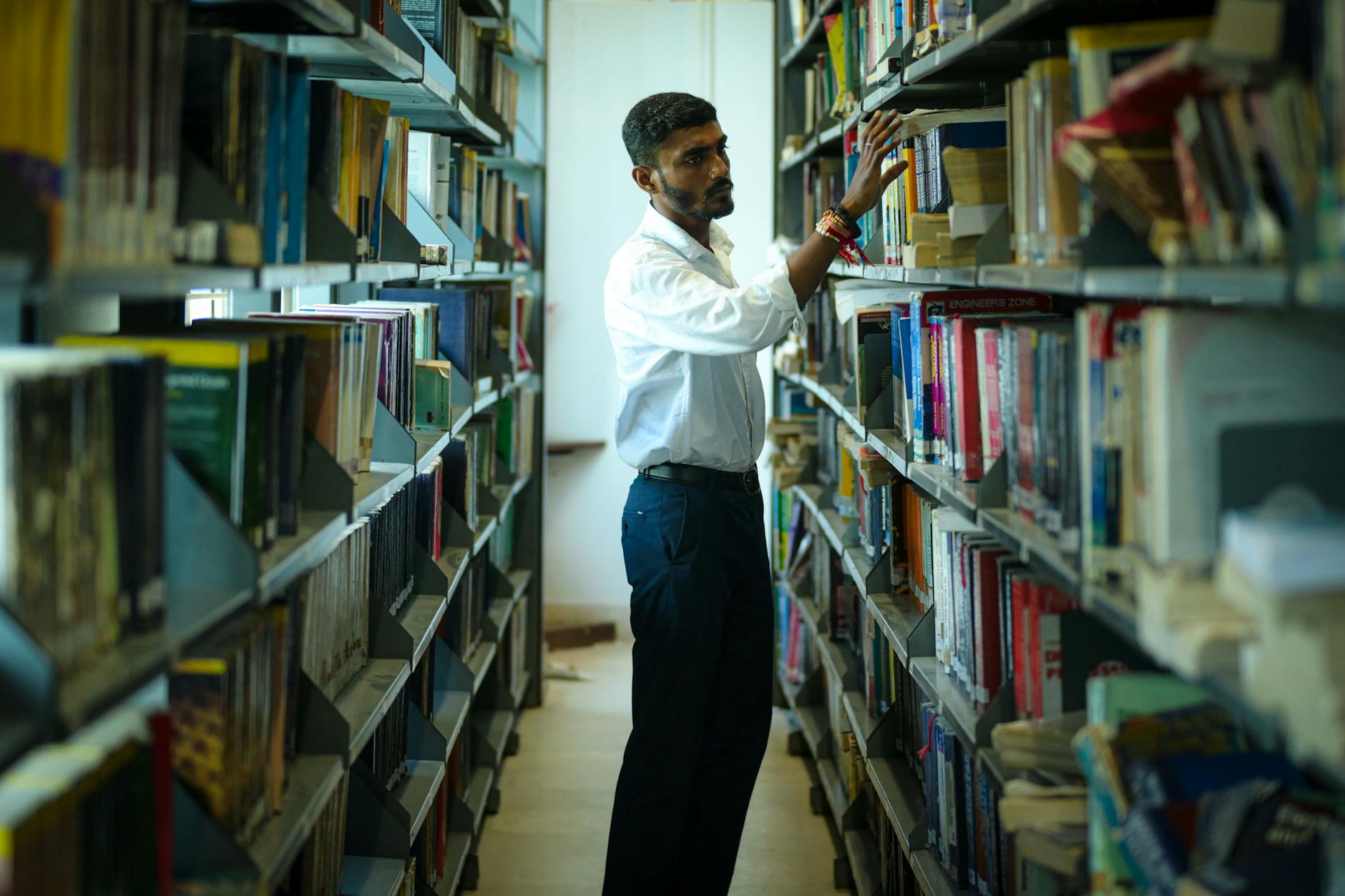
By 5:00 PM, classes usually wrap up, but the work isn’t over. Most students head to the library or a co-working space. Self-study is the cornerstone of the Italian university experience. You’ll spend these hours reviewing the day’s derivations and solving complex problem sets. If you’re lucky, you might fit in a quick walk through Parco del Valentino before heading home to cook some comfort food from home.
A Typical Day — Master’s Year 1
At the Master’s level, the focus shifts from general science to specialized application. The classes are smaller, and the industry connection becomes very tangible.
Morning — Specialised Lectures (smaller classes, expert professors)
Master’s mornings might involve deep dives into Automotive Engineering, Data Science, or Advanced Materials. These classes are often taught by professors who are also leading research projects or consulting for major companies like Stellantis or Leonardo. The interaction is more direct, and the discussions often revolve around current industry challenges.
Afternoon — Research Lab / Industry Project Work
The afternoon is typically dedicated to specialized labs. You might be working with MATLAB for simulation, ANSYS for structural analysis, or even in the cleanrooms if you are in Electronics. Many Master’s students work on projects directly linked to industry partners, gaining experience that is highly valued in the European job market.
Evening — Thesis research, internship applications
Evenings for Master’s students are often spent looking ahead. This involves researching topics for the final thesis or applying for internships via the university’s career portal. It’s also a social time—many Indian students gather for a “cultural exchange” dinner or participate in university club activities.
Weekly Schedule
A typical week for an engineering student is a marathon, not a sprint. While weekends offer some respite, they are often used for catching up on reading.
| Day | Morning (8:30 – 13:00) | Afternoon (14:00 – 17:30) | Evening (18:00 onwards) |
|---|---|---|---|
| Monday | Mathematical Analysis | Computer Science Lab | Self-Study & Revision |
| Tuesday | Physics I / II | Exercise Class (Calculus) | Library Research |
| Wednesday | Chemistry / Materials | Laboratory Session | Indian Student Meetup |
| Thursday | Technical Drawing / CAD | Project Work | Gym / Sports |
| Friday | Linear Algebra | Tutorials | Weekly Wrap-up |
| Saturday | Catch-up Reading | Turin City Exploration | Socializing / Movies |
| Sunday | Rest / Laundry | Meal Prep for Week | Exam Planning |
Academic Culture — What Surprises Indian Engineering Students
The Italian academic system is unique and requires a shift in mindset for those coming from the Indian 10+2 system.
Project-Based Assessment vs Pure Exams
While exams are central, many courses, especially in engineering in Italy, now incorporate significant project work. You might spend a whole semester designing a component or writing a piece of software that accounts for 30-40% of your final grade.
Oral Exams (Italian academic tradition)
The biggest shock is often the oral exam (l’esame orale). For many subjects, after passing a written test, you must sit face-to-face with the professor to explain concepts. This tests not just your knowledge, but your ability to communicate technical ideas clearly—a vital skill for any engineer.
Collaborative Group Work Culture
PoliTO encourages students to work together. “Colleghi” (colleagues) is the term students use for each other. You will likely join a “Student Team” where you work on racing cars, drones, or satellites outside of regular class hours.
Direct Access to Professors
Despite the high number of students, professors have “ricevimento” (office hours). Indian students are often surprised that they can walk into a world-class researcher’s office to ask a clarifying question about a lecture.
Labs, Software & Equipment Indian Students Use
The facilities at the University of Turin are world-class, providing students with the tools used by professional engineers globally.
- Software: Extensive use of MATLAB, Simulink, ANSYS, AutoCAD, SolidWorks, and Python for various simulations and designs.
- 3D Printing & Prototyping: Access to rapid prototyping labs for architectural models and mechanical components.
- Computing Clusters: High-performance computing resources for data science and complex fluid dynamics simulations.
- Automotive Labs: Specialized equipment for engine testing and aerodynamics, reflecting Turin’s status as Italy’s automotive hub.
Social Life as an Engineering Student in Turin
Life in Turin is not just about the library. The city offers a rich cultural backdrop that Indian students find very welcoming.
- Student Teams: Joining teams like Squadra Corse (Formula Student) or the robotics club is the best way to make friends and gain practical skills.
- Indian Community: There is a strong network of Indian students. Festivals like Diwali and Holi are celebrated with great enthusiasm, often supported by the international student offices.
- The City of Turin: Known for its “Aperitivo” culture, where you can enjoy a drink and a buffet for a fixed price. It’s the perfect way to unwind after a long day of labs.
- Travel: With its central European location, weekend trips to the Alps for skiing or a quick train ride to Milan or the Italian Riviera are very common.
Balancing Studies, Social Life & Part-Time Work in Turin
Managing time is the biggest challenge. While a student visa in Italy allows you to work 20 hours per week, the engineering curriculum is demanding. Most Indian students focus heavily on studies during the semester and look for part-time work or internships during the summer breaks. However, some find roles in university libraries or as lab assistants, which are easier to balance with a heavy course load.
Scholarships, such as those from EDISU, are vital. They often provide not just a tuition waiver but also a stipend and subsidized housing, significantly reducing the financial pressure and allowing students to focus on their “engineering student life University of Turin Turin Indian students” experience.
FAQs
Is the engineering course at PoliTO taught in English?
Yes, many Bachelor’s and most Master’s programs in Engineering are offered entirely in English. However, learning basic Italian is highly recommended for daily life and for better integration into the local culture.
How difficult are the exams at the University of Turin?
The exams are known to be rigorous and theoretical. Success requires consistent study throughout the semester rather than “cramming” at the end. The oral exam component is a unique challenge for many international students.
Can Indian students find vegetarian/Indian food in Turin?
Absolutely. Turin has several Indian grocery stores and restaurants. Furthermore, the university canteens always offer vegetarian options, and the local markets provide fresh produce for cooking at home.
What is the average cost of living for a student in Turin?
A student can live comfortably on €700 to €900 per month, covering rent in a shared apartment, food, and local transport. This is much lower than in Milan or Rome.
Are there scholarships available for Indian engineering students?
Yes, the EDISU Piemonte scholarship is the most popular need-based grant. There are also merit-based scholarships provided by the university itself and the Italian government.
How is the job market in Turin for engineering graduates?
Turin is an industrial powerhouse, especially in the automotive, aerospace, and ICT sectors. Graduates from PoliTO are highly regarded and often find opportunities with companies like Stellantis, Thales Alenia Space, and various tech startups.
Want to Study Engineering at Turin?
The path to becoming a world-class engineer at the University of Turin is an exciting one. From navigating the Italy student visa process to securing scholarships in Italy, we are here to support your journey every step of the way. Don’t let the complexity of applications hold you back from your dream of studying in Europe. Contact our expert counselors today for a free consultation and start your Italian adventure!