A Day in the Life of an Engineering Student at University of Bari Aldo Moro: Real Indian Student Experience
When I first started researching technical degrees abroad, I was looking for a place that combined high academic standards with a lifestyle that wouldn’t feel like a total shock to my system. Living the engineering student life University of Bari Aldo Moro Bari Indian students often describe is a unique blend of rigorous Mediterranean academics and a coastal lifestyle that feels surprisingly like home in terms of warmth and community. Located in the heart of Puglia (Apulia), Bari is a stunning Adriatic port city that offers a high-quality engineering in Bari experience without the eye-watering costs of Milan or Rome.
Whether you are pursuing a Bachelor’s in Computer Science or a Master’s in Automation Engineering, the University of Bari Aldo Moro (UniBa) provides an environment where innovation meets tradition. In this guide, I will take you through a typical day, the quirks of the Italian academic system, and how we balance our heavy workloads with the incredible social life that Southern Italy offers.
First Impressions — What Indian Engineering Students Say About Bari
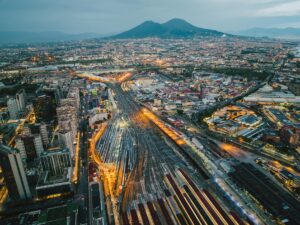
Most of us arrive in Bari expecting a quiet town, but we are quickly surprised by its energy. Bari is a coastal Adriatic port city with a warm Mediterranean climate, a famous seafood culture, and a significantly lower cost of living than northern Italy. For Indian students, the weather is a major plus; the winters are mild, and the sun shines almost year-round, which makes the transition much easier than moving to a colder climate.
Bari surprised me because it manages to feel both ancient and modern. You have the historic “Bari Vecchia” with its narrow alleys and grandmas making orecchiette pasta on the street, and then you have the bustling city center and the University campus, which is a hub for technology and research. The cost of living in Italy is often a concern for our parents, but in Bari, you can live comfortably on a student budget while enjoying a quality of life that is hard to match elsewhere.
A Typical Bachelor’s Year 1 Day
The first year of a Bachelor’s degree (Laurea Triennale) is all about building a rock-solid foundation. It is intense, but the collaborative atmosphere among students makes it manageable.
Morning — Core Engineering Lectures (Mathematics, Computing, Physics)
My day usually starts at 8:30 AM. The mornings are reserved for core subjects like Mathematical Analysis, Physics, and Fundamentals of Computing. Lectures are held in large halls, and the professors are deeply knowledgeable. Even if the course is in Italian, many professors provide English materials or are happy to answer questions in English during office hours. We take our notes seriously because the Italian exam system relies heavily on understanding the theoretical “why” behind every formula.
Afternoon — Lab Sessions & Tutorials
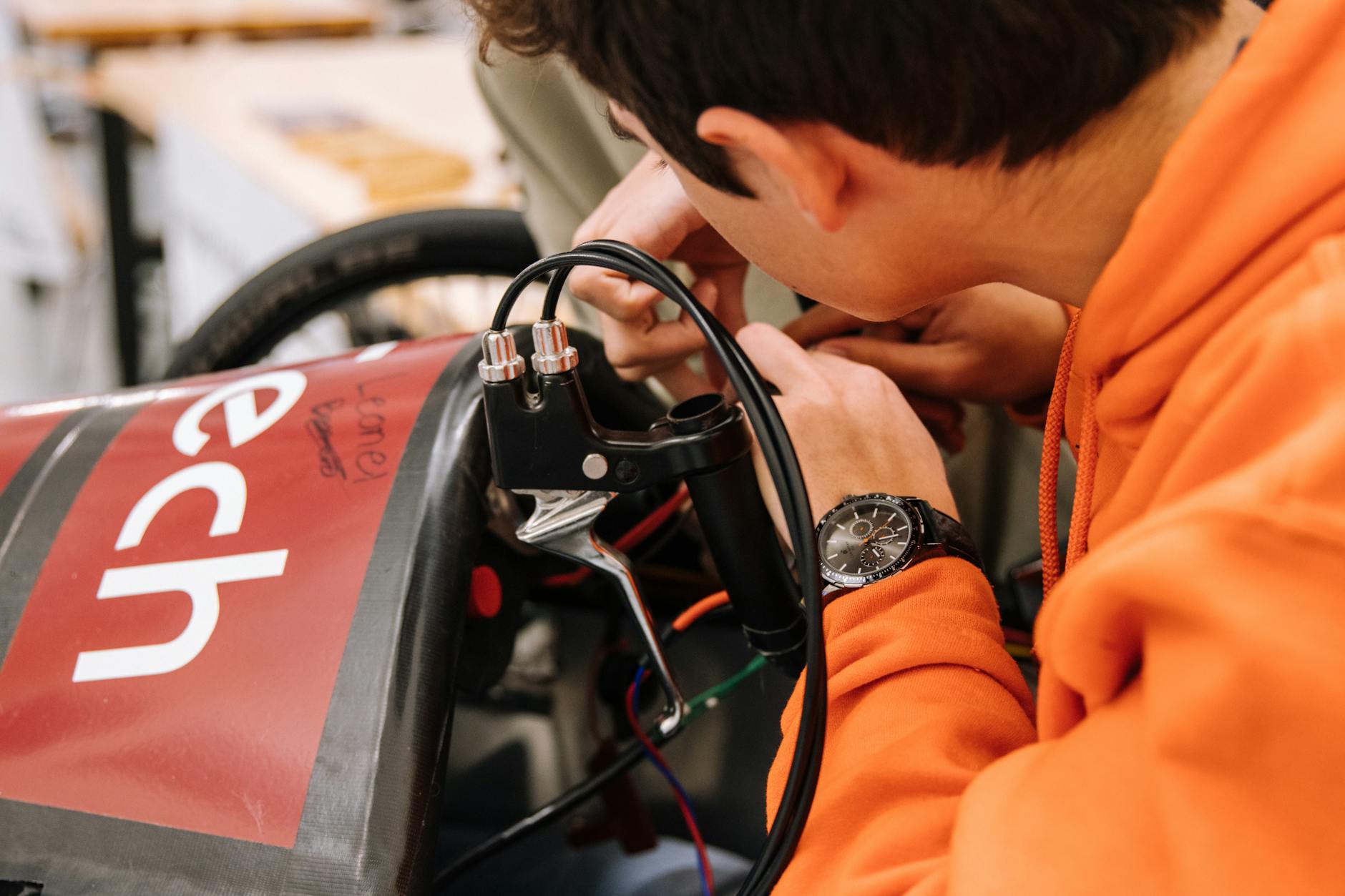
After a quick lunch—usually a slice of focaccia barese for 2 Euro—we head to the labs. This is where we apply the morning’s theory. Whether we are debugging code in the Computer Science labs or conducting experiments in the Physics department, these sessions are hands-on. Tutorials are also common in the afternoon, where teaching assistants help us solve complex problem sets in smaller groups.
Evening — Group Projects & Self-Study
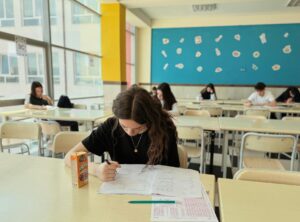
By 5:00 PM, the formal classes end, but the work isn’t over. Italian engineering degrees require a lot of self-discipline. I usually head to one of the campus libraries or a “cool bar/library” in the city center with my study group. We spend a couple of hours working on design projects or preparing for the next day’s lectures. Group study is a huge part of the culture here; it’s how we survive the tough exam seasons.
A Typical Master’s Year 1 Day
Master’s students (Laurea Magistrale) have a slightly different rhythm, with more focus on specialization and research.
Morning — Advanced Specialised Lectures (smaller groups, expert professors)
At the Master’s level, classes are smaller and much more interactive. Since many Master’s programs are taught in English, you’ll find a very international crowd. We dive deep into topics like Cyber Security, Data Science, or Advanced Robotics. Professors often treat us more like junior researchers than just students, encouraging us to challenge theories and present our own ideas.
Afternoon — Research Lab or Industry-Linked Project Work
The University of Bari has strong ties with local industries in Puglia. Afternoons for Master’s students are often spent in research labs working on projects linked to real-world applications. This might involve working with tools like MATLAB or ANSYS on an industry-sponsored problem. It is during these hours that we build the practical skills needed for the job market.
Evening — Thesis literature review, internship applications
As a Master’s student, your thesis is always on your mind. Evenings are often spent in the library researching literature for upcoming papers or applying for internships. The university’s job placement service is quite active, and we often get notifications about Erasmus+ opportunities or internships with local tech firms.
Weekly Schedules
To give you a better idea of how we manage our time, here is a breakdown of a typical week for both levels of study.
| Day | Morning (8:30 – 13:00) | Afternoon (14:00 – 17:30) | Evening (18:00 – 21:00) |
|---|---|---|---|
| Monday | Math Analysis & Physics | Computer Science Lab | Self-Study & Revision |
| Tuesday | Geometry & Linear Algebra | Physics Tutorial | Indian Student Meetup |
| Wednesday | Programming Fundamentals | Chemistry Lab | Library Group Work |
| Thursday | Technical Drawing / CAD | Mathematics Workshop | Gym / Sports at CUS |
| Friday | Economics & Management | Project Presentation | Weekend Prep & Social |
| Saturday | Weekly Review | Rest / Personal Errands | Bari Vecchia Social Life |
| Sunday | Rest | Beach / Day Trip | Meal Prep for Week |
For Master’s students, the schedule is more fluid, focusing heavily on research and specialized labs in the afternoons, especially from Tuesday to Thursday.
Academic Culture at University of Bari Aldo Moro — What Surprises Indian Students
The Italian academic system is quite different from the Indian one, and there are a few things that definitely take some getting used to.
Project-Based Assessment & Group Design Projects
While we have final exams, a significant portion of our grade often comes from projects. You are expected to work in teams to design systems, write software, or conduct experiments. This teaches you how to collaborate in a professional European environment.
Italian Oral Exam Tradition (Yes, even in engineering)
This is the biggest shock for most Indian students. In Italy, many exams are oral. After a written test, you sit face-to-face with the professor and explain your reasoning. It tests your communication skills and deep understanding of the subject, not just your ability to memorize formulas.
Collaborative, Discussion-Based Culture
The culture is very horizontal. Students are encouraged to ask questions and debate with professors. It isn’t just about listening; it’s about participating. This helps build the confidence you need when you eventually apply for your Italy student visa and move into the professional world.
Direct Informal Access to Professors
Professors at UniBa are surprisingly accessible. They hold “Ricevimento” (office hours) where you can go to discuss a difficult topic or get advice on your thesis. This direct mentorship is invaluable for international students.
Labs & Equipment at University of Bari Aldo Moro Engineering
The technical facilities at Bari are designed to prepare you for the global job market. The university invests heavily in research infrastructure to support its 60,000-strong student body.
- Available tools: Students have access to CAD/CAM software, 3D printing labs, high-performance computing clusters, and industry-standard software like MATLAB, ANSYS, and various IDEs for software development.
- Puglia (Apulia)-specific facilities: There are dedicated research centers for Environmental Methodologies (METEA), Industrial Design, and Information Technology. These labs often collaborate with local aerospace and automotive companies.
- Library and ICT: The university library system holds over 1.5 million books, and the high-speed Wi-Fi network covers all major campus areas, making it easy to work anywhere.
Social Life in Bari as an Engineering Student
It’s not all about books and labs. Bari offers a vibrant social life that is perfect for students.
- Engineering clubs and hackathons: There are several student associations that organize coding competitions, robotics workshops, and career fairs.
- Indian student WhatsApp group: We have a very active community. From sharing tips on the best places to buy spices to organizing Diwali and Ganesh Chaturthi celebrations, you’ll never feel alone.
- Weekend life: Bari is the gateway to Southern Italy. On weekends, we often take day trips to Polignano a Mare, Monopoli, or Alberobello. The city itself has a bustling nightlife with plenty of bars and student-friendly restaurants.
- Pane e Pomodoro Beach: Having a beach right in the city is a game-changer. It’s the perfect place to de-stress after a long week of lectures.
Balancing Studies + Social Life + Part-Time Work in Bari
Finding a balance is key. Many Indian students take up part-time jobs, such as food delivery or working in cafes, to supplement their scholarships in Italy. While the engineering workload is heavy, it is possible to work 15-20 hours a week if you manage your time well. The lower cost of living in Bari means that even a part-time income goes a long way. Most of us prioritize our studies during the week and use the weekends for work or exploring the beautiful Puglia region.
FAQs
Is engineering at the University of Bari taught in English?
Most Bachelor’s degrees are taught in Italian, but there is an increasing number of Master’s degrees taught entirely in English, particularly in Computer Science, Automation Engineering, and Telecommunications.
What is the average cost of living for a student in Bari?
Bari is very affordable. Rent for a shared room can range from €200 to €300, and with food and utilities, a monthly budget of €500-€700 is usually sufficient for an Indian student.
Can I get a scholarship for engineering at UniBa?
Yes, Indian students can apply for DSU regional scholarships through ADISU Puglia, which can cover tuition fees and provide a stipend and meal cards based on family income.
How do I find accommodation in Bari?
You can apply for ADISU student residences or look for private apartments through student WhatsApp groups and local websites. Many students prefer sharing flats near the campus area.
What are the job prospects after graduating from UniBa?
Graduates from UniBa engineering programs have a high employment rate. Many find roles in Italian tech hubs like Turin or Milan, or within the growing industrial sector in Puglia.
Is the Italian language necessary for engineering students?
For English-taught Master’s, it isn’t strictly necessary for classes, but learning basic Italian is highly recommended for daily life and for better job opportunities in Italy.
What is the IMAT exam?
The IMAT is for medical students. Engineering students typically need to take a different entrance test (like TOLC) or meet specific academic requirements for their chosen program.
Want to Study Engineering at Bari in Bari?
If you’re ready to start your journey toward an engineering in Italy degree, we are here to help. From choosing the right program at the University of Bari Aldo Moro to navigating the universities application process and securing your visa, our team provides expert guidance for Indian students.
Contact us today to start your application: Book a Free Consultation