Student Accommodation Guide for University of Milan-Bicocca: Types, Costs & How to Find Housing
Securing affordable and safe housing is a top priority for families planning higher education in Italy. For those targeting the University of Milan-Bicocca, understanding the local rental market is essential, as Milan remains Italy’s most expensive city for residents. Finding the right University of Milan-Bicocca student accommodation Indian students can rely on requires a mix of early planning, knowledge of regional subsidies like DSU, and navigating private portals. This guide provides a data-backed breakdown of housing options near the Bicocca campus to ensure a smooth transition for Indian students.
Housing Overview in Milan for International Students
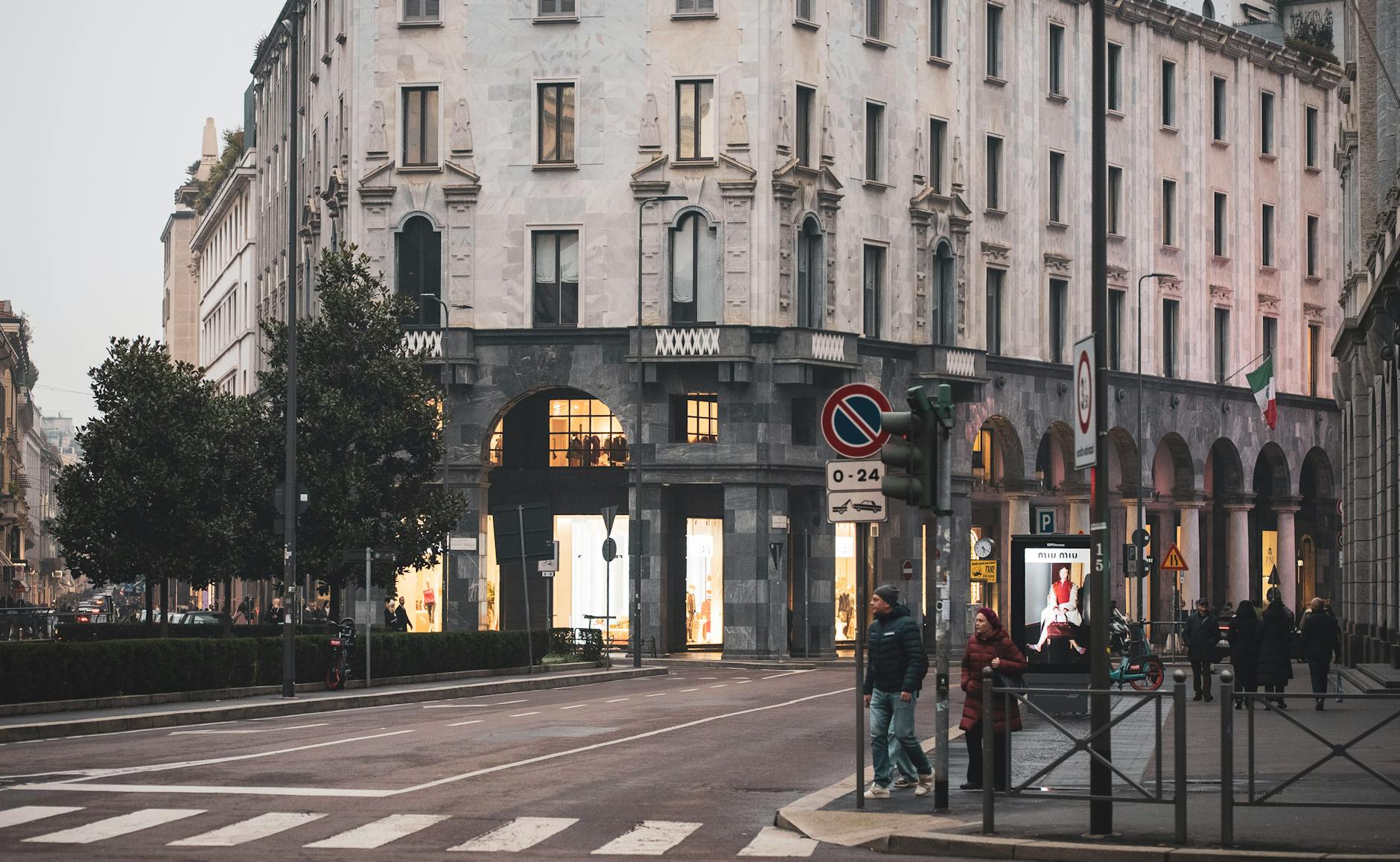
Milan is a global hub for fashion, finance, and engineering, which drives high demand for real estate. For Indian students, the housing market is generally split into three tiers: subsidized university residences, private shared apartments, and modern purpose-built student accommodations (PBSA). While the cost of living in Italy is generally manageable, Milan requires a specific budgeting approach. Most students should expect to spend between 40% and 60% of their monthly budget on rent alone.
The University of Milan-Bicocca is located in the northern part of the city, in a district that was formerly industrial but is now a modern, self-contained university hub. This location offers a slight advantage over the city center, as prices can be 10-15% lower while maintaining excellent connections via the M5 (Lilac) metro line.
All Accommodation Types
To help parents and students compare options effectively, the following table summarizes the primary housing types available in Milan for the 2026 academic year.
| Type | Monthly EUR | Monthly INR | Includes | Best For |
|---|---|---|---|---|
| EDiSU Bicocca Residence | €250 – €500 | ₹22,500 – ₹45,000 | Utilities, Wi-Fi, Furniture | Low-income/Merit students |
| Shared 2–3 bed Room | €450 – €750 | ₹40,500 – ₹67,500 | Furniture, Shared Kitchen | Social students on a budget |
| Private Studio | €900 – €1,250 | ₹81,000 – ₹1,12,500 | Total Privacy, Kitchenette | Post-graduates/High budget |
| Homestay | €600 – €850 | ₹54,000 – ₹76,500 | Meals (often), Language practice | Cultural immersion |
DSU University Housing — How to Apply
The most sought-after option is the DSU (Diritto allo Studio Universitario) housing. This is a regional welfare program that provides subsidized rooms to students based on financial need (ISEE) and academic merit. For Indian students, this represents the most affordable way to live in Milan.
Provider: EDiSU Milano Bicocca
The EDiSU office manages the residences for the Università degli Studi di Milano-Bicocca. These residences are situated close to the teaching blocks, significantly reducing commute times and costs. Application highlights include:
- Coverage: Includes a bed in a shared or single room, heating, water, and internet access.
- Portal: Applications are submitted through the official EDiSU Bicocca online desk.
- Deadlines: The call for applications usually opens in July and closes by late August. Late applications are generally not considered.
- GPA Renewal: To maintain the subsidized rate for the second year, students must complete a specific number of credits (CFUs) by August 10th each year.
Shared Apartments — Most Chosen by Indian Students
Due to the competitive nature of DSU housing, the majority of Indian students opt for private shared apartments. This involves renting a single room (camera singola) or a bed in a double room (camera doppia) within a flat shared with other students or young professionals.
Key Platforms for Verification
To avoid scams, it is recommended to use verified platforms that offer payment protection:
- Immobiliare.it & Idealista: The largest Italian portals, best for those already in Italy or with Italian-speaking assistance.
- HousingAnywhere & Spotahome: These platforms allow you to book online with “verified” tags, providing video tours and secure deposit handling.
- Facebook Groups: Groups like “Milan students affitti” or “Affitti Milano Bicocca” are useful for finding flatmates, but require extreme caution regarding scams.
In Italy, student leases (Contratto di locazione per studenti universitari) typically last 6 to 12 months. Expect to pay a security deposit (deposito cauzionale) equivalent to 2–3 months of rent, which is refundable upon departure if no damage is found.
Best Neighbourhoods in Milan for Indian Students
The location of your housing directly impacts your daily life and budget. For those studying at MBBS in Milan-Bicocca or engineering in Milan-Bicocca, the following areas are most popular.
Near University of Milan-Bicocca Campus
The Bicocca-Bignami area is the most logical choice. It is a modern residential district with supermarkets like Esselunga and the Bicocca Village shopping center. Living here allows students to walk to lectures, saving approximately €22 per month on the university transport pass.
Popular with International Students
- Niguarda: Located just west of Bicocca, this area offers slightly older but more affordable apartments. It is well-connected by tram and bus.
- Città Studi: While technically the hub for the University of Milan and Politecnico, many students live here for the vibrant student atmosphere and commute to Bicocca via the green and lilac metro lines.
- Porta Venezia: A more central and expensive option, popular with those who want to be in the heart of Milan’s social scene.
What to Avoid
Indian students should generally avoid the extreme peripheries far from metro stations. Areas like Quarto Oggiaro or certain blocks near San Siro can have lower safety ratings at night. Always check the proximity to the “Lilac” M5 metro line, as it is the direct link to the Bicocca campus.
Step-by-Step: Securing Accommodation Before Arriving
The rental market in Milan moves extremely fast. Waiting until you arrive in September is a common mistake that leads to staying in expensive hotels for weeks.
- 3-4 Months Before (May/June): Finalize your budget and decide between DSU or private housing. If applying for DSU, start preparing your ISEE documents (family income and property statements from India, translated and legalized).
- 2 Months Before (July): Start searching on Spotahome or Uniplaces. These sites provide an “Accommodation Certificate” which is often required for your Italy student visa application.
- 1 Month Before (August): Confirm your move-in date and arrange your first month’s rent and deposit. Ensure you have a written contract.
- Arrival: Within 8 days of arrival, use your housing contract to apply for your Permesso di Soggiorno (Residence Permit).
Common Mistakes Indian Students Make
- Sending Money via Western Union: Never send deposits through untraceable methods to people you met on Facebook. Use bank transfers or platform-secured payments.
- Ignoring “Spese Condominiali”: Some rent prices exclude building maintenance fees. Always ask if the rent is “spese incluse” (all-in) or if utilities and building fees are extra.
- Missing the DSU Deadline: The scholarships in Italy and housing applications close very early. Missing the August deadline means waiting another full year for subsidized housing.
Frequently Asked Questions
Is it hard to find vegetarian food near Bicocca?
Not at all. Milan has a growing number of Indian grocery stores, and the Bicocca area has several large supermarkets with extensive vegetarian and vegan sections. Most student canteens also offer “Primi piatti” (pasta/risotto) which are vegetarian-friendly.
Can I get a single room for under €500 in Milan?
In the private market, a single room for under €500 is very rare in 2026. However, through the DSU program, prices are significantly lower. In the private market, €500 usually gets you a bed in a shared double room.
Do I need an Italian guarantor for a student lease?
Traditional landlords often ask for an Italian guarantor. However, student-focused platforms like HousingAnywhere or Uniplaces bypass this requirement, making them ideal for international students.
How far is the Bicocca campus from the city center?
By using the M5 metro, you can reach the Duomo (city center) in about 20–25 minutes from the Bicocca stop.
Are utilities usually included in the rent?
In DSU residences, yes. In private apartments, utilities (electricity, gas, internet) are usually extra and cost between €100 and €150 per month, often shared among flatmates.
Is it safe for Indian students to live in Niguarda?
Yes, Niguarda is a safe, residential area popular with students. Like any major city, it is important to stay aware of your surroundings at night, but it is not considered a high-risk zone.
What is a “Codice Fiscale” and do I need it for housing?
Yes, you need a Codice Fiscale (Italian Tax Code) to sign any legal rental contract in Italy. You can obtain this from the Italian Consulate in India before you travel.
Need Accommodation Help?
Navigating the Milanese rental market can be overwhelming for first-time students. If you need assistance with DSU document preparation, finding verified private listings, or understanding your lease terms, our team is here to help. Contact our experts today to secure your home in Milan.