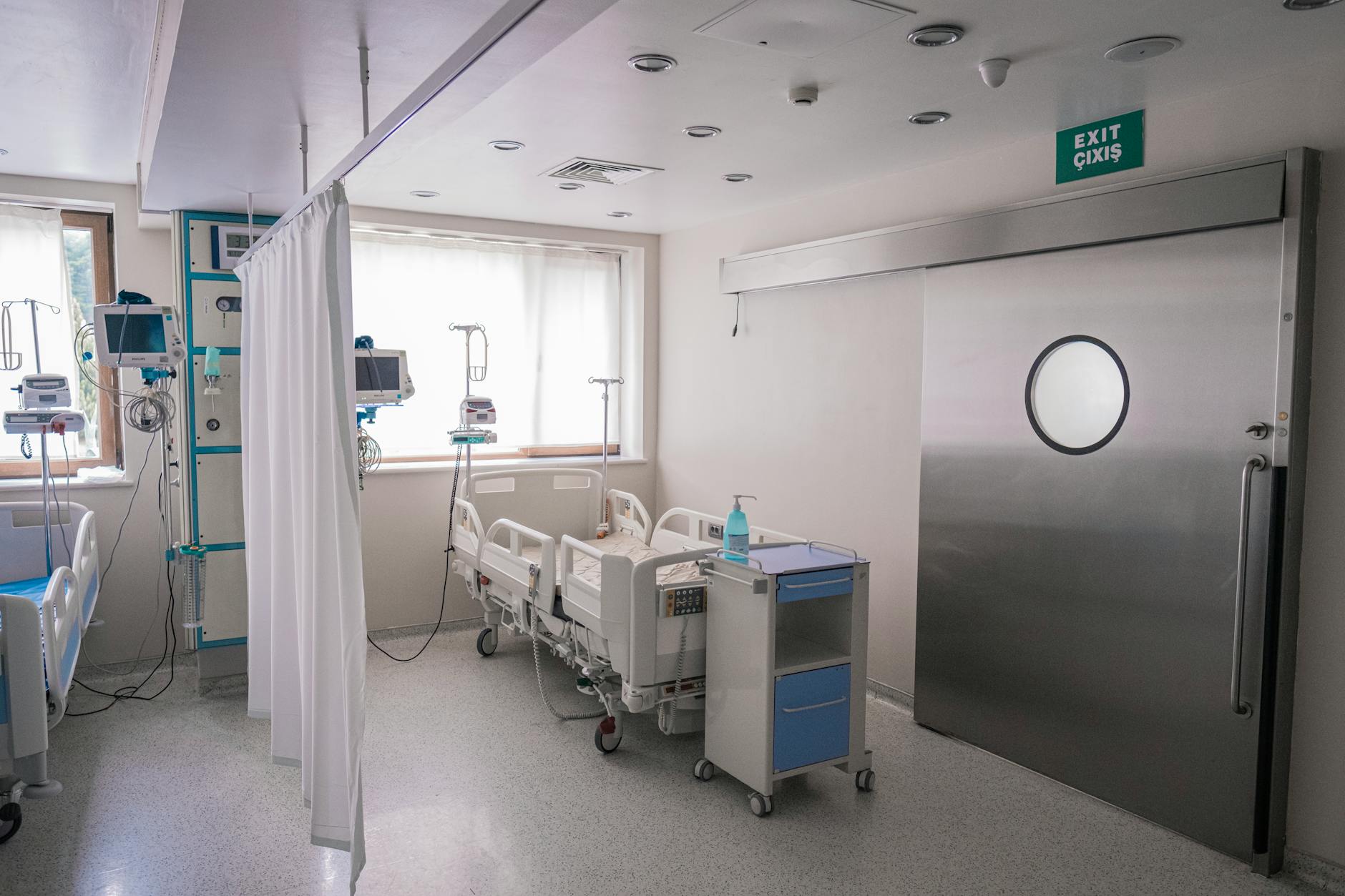
Clinical Training at University of Pavia: Teaching Hospital, Rotations & Patient Exposure
Choosing the right medical school involves looking far beyond the classroom. For Indian students and parents, the quality of hospital exposure is often the deciding factor. The University of Pavia clinical training MBBS teaching hospital experience is centered around the world-renowned IRCCS Policlinico San Matteo. This historic institution provides a bridge between rigorous scientific education and high-stakes clinical practice, ensuring that graduates are not just degree-holders, but competent medical professionals ready for global challenges.
Pavia’s approach to medical education, particularly through its English-taught Harvey Course, emphasizes early exposure to clinical environments. While the first two years build a solid foundation in basic sciences, the transition to the hospital setting is structured to build confidence and technical skill progressively. This guide explores how the clinical years at Pavia prepare students for careers in Italy, India, and beyond.
When Does Clinical Training Begin at University of Pavia?
The University of Pavia follows a six-year, single-cycle Master’s Degree structure. The curriculum is divided into two distinct phases:
- Pre-clinical Years (1–2): Students focus on the “Functions of the Body” and “Biology of Disease.” While primary training occurs in lecture halls and laboratories, students are introduced to clinical concepts through elective courses like “The Disabled Person” and “Ultrasound Laboratory.”
- Transition Year (Year 3): This is the pivotal year where students enter the wards. Training begins with “Clinical Foundations” and “Medical and Surgical Semiotics,” where students learn to take patient histories and perform basic physical examinations.
- Clinical Years (4–6): The final three years are almost entirely hospital-based. Students spend their mornings in the wards of IRCCS Policlinico San Matteo and their afternoons in specialized lectures covering systemic pathologies and advanced treatments.
This structure ensures that by the time students reach their final years, they have moved from simple observation to active participation in the diagnostic and therapeutic process.
Teaching Hospital — IRCCS Policlinico San Matteo
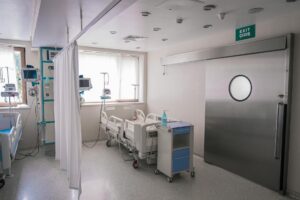
The IRCCS Policlinico San Matteo is the primary University of Pavia clinical training MBBS teaching hospital. Founded in 1449, it is one of Europe’s oldest and most respected research hospitals.
Hospital Profile:
- Capacity: Over 1,000 beds, including intensive care and day surgery units.
- Specialization: Recognized as a Scientific Institute for Research, Hospitalization and Healthcare (IRCCS), it excels in transplantation, cardiology, and infectious diseases.
- Location: Strategically located on Viale Golgi, just a short walk from the University’s main medical campus, allowing for seamless travel between lectures and rotations.
- Research Reputation: The hospital produces over 700 scientific publications annually and is a leader in robotic surgery and regenerative medicine.
For Indian medical graduates, San Matteo offers an environment that matches the complexity of top-tier Indian government hospitals while providing the advanced infrastructure found in high-end private healthcare. The sheer volume of cases—including nearly 100,000 emergency room visits per year—provides the “hands-on” exposure that is vital for mastering clinical skills.
Year-by-Year Clinical Rotation Schedule
The clinical rotations, known locally as Tirocini, are designed to increase in complexity each year.
| Year | Phase | Rotation / Subject | Duration | Key Clinical Skills Developed |
|---|---|---|---|---|
| Year 3 | Introductory | Medical & Surgical Semiotics, Hematology | 12 Weeks | History taking, physical examination (palpitation, auscultation), basic patient interaction. |
| Year 4 | Core Specialties | Cardiology, Pneumology, Neurology, Gastroenterology | 16 Weeks | Reading ECGs, basic diagnostic imaging, prescribing standard medications, clinical reasoning. |
| Year 5 | Advanced | Pediatrics, OBGYN, Oncology, Emergency Medicine | 16 Weeks | Emergency response, surgical assistance, managing chronic disease, maternal and child care. |
| Year 6 | Professionalizing | General Practice (TPV), Electives, Thesis Work | Varies | Independent patient management (under supervision), advanced research, specialization focus. |
Specialties Covered in Clinical Rotations
During their journey at the University of Pavia, students rotate through a comprehensive list of medical and surgical departments. This broad exposure is essential for students to make an informed choice for their future PG specialization.
- Internal Medicine & Cardiology: San Matteo is a national referral hub for cardiovascular diseases and transplants.
- General Surgery: Exposure to robotic and minimally invasive techniques.
- Paediatrics & Neonatology: Specialized training in pediatric onco-hematology.
- Obstetrics & Gynaecology: Managing high-risk pregnancies and deliveries.
- Psychiatry & Neurology: Integrated training at the Mondino Foundation, a leader in neurosciences.
- Emergency Medicine: High-intensity training in one of Lombardy’s busiest ER departments.
Language in the Clinical Setting
While the MBBS program (Harvey Course) is taught in English, the patients in the hospital naturally speak Italian. This is a common concern for Indian students.
University of Pavia clinical training MBBS teaching hospital settings require a working knowledge of Italian by the 3rd year. The University provides Italian language support, and most Indian students find that “medical Italian” is easier to pick up through daily ward interactions. By the 4th year, students are generally expected to communicate directly with patients. This bilingual proficiency is a significant advantage, making graduates highly adaptable to different healthcare systems across Europe.
Research & Thesis Opportunities
A unique feature of the Italian medical degree is the mandatory Research Thesis (Tesi di Laurea). At Pavia, this is not just a paper but a year-long project.
- Publication Pathways: Many students collaborate with professors at San Matteo to publish their findings in international medical journals.
- International Collaboration: Through Erasmus+ and other mobility programs, students can even conduct part of their clinical research at partner universities in the UK, USA, or Germany.
- Advanced Labs: Access to 3D-printing labs for patient-specific anatomical models and genomic research facilities.
University of Pavia Clinical Training vs Indian Medical Colleges
Comparing the training environment helps Indian parents understand the value of an Italian medical education.
| Factor | University of Pavia (Pavia) | Top Government College (India) | Average Private College (India) |
|---|---|---|---|
| Patient Diversity | High (National & International) | Very High (Regional) | Moderate to Low |
| Infrastructure Quality | Advanced (Robotics, IRCCS status) | Basic to Moderate | High |
| Clinical Autonomy | Supervised but Hands-on | High (Due to volume) | Moderate |
| Research Access | Excellent (Integrated into degree) | Moderate | Low |
| Global Recognition | High (EU Wide + WHO/NMC) | High (National) | Moderate |
How University of Pavia’s Clinical Training Prepares Indian Students for FMGE/NExT
For those planning to return home, the clinical training at Pavia aligns well with the MBBS in Italy standards required by the National Medical Commission (NMC).
The focus on clinical cases and systemic pathology in years 4 and 5 directly mirrors the clinical orientation of the NExT exam. Because the training at Pavia is based on evidence-based medicine and standardized international protocols, Indian students often find the clinical vignettes in the FMGE/NExT easier to navigate. Furthermore, the mandatory Tirocinio Pratico Valutativo (TPV) ensures that students meet the internship requirements necessary for registration in India.
A Realistic Clinical Year Day at Pavia
What does a day look like for a medical student in Pavia?
- 08:30 – 12:30: Ward rotations at Policlinico San Matteo. You might be shadowing a resident in Cardiology, assisting in a physical exam, or observing a transplant surgery.
- 12:30 – 14:00: Lunch at the university canteen (Mensa) with fellow international students.
- 14:00 – 17:30: Afternoon lectures or “Clinical Case” seminars where the morning’s observations are discussed through a theoretical lens.
- 18:00 onwards: Study sessions in the historic university libraries or Italian language practice in the city center.
FAQs
Q1: Is the internship at the University of Pavia recognized in India?
Yes, the integrated clinical training and the TPV (Practical Evaluative Traineeship) at Pavia are designed to meet international standards, including those of the NMC.
Q2: Will I get to touch patients during my rotations?
Yes. While the first few years are observational, students in their clinical years (4–6) are expected to perform examinations and assist in procedures under the supervision of tutors and residents.
Q3: Do I need to be fluent in Italian to start clinical rotations?
You don’t need to be fluent to start in Year 3, but a B1/B2 level is highly recommended to make the most of patient interactions by Year 4. The University offers courses to help you reach this level.
Q4: How far is the hospital from the student accommodation?
Most student residences and shared apartments in Pavia are within a 10–15 minute walk or a short bus ride to the San Matteo hospital.
Q5: Can I do elective rotations in other countries?
Yes, the University of Pavia has extensive Erasmus+ partnerships, allowing you to spend a semester or a clinical rotation in other European countries.
Q6: Are there Indian doctors or students at San Matteo?
Yes, Pavia has a growing community of Indian students, and you will often find senior Indian researchers or residents working within the San Matteo departments.
Train at Pavia — Apply with Our Guidance
The clinical journey at the University of Pavia is demanding but incredibly rewarding. From the historic halls of the medical school to the cutting-edge wards of San Matteo, you will receive an education that is truly world-class. If you are ready to start your journey toward becoming a doctor in Italy, our team is here to help you with IMAT preparation, visa assistance, and enrollment.