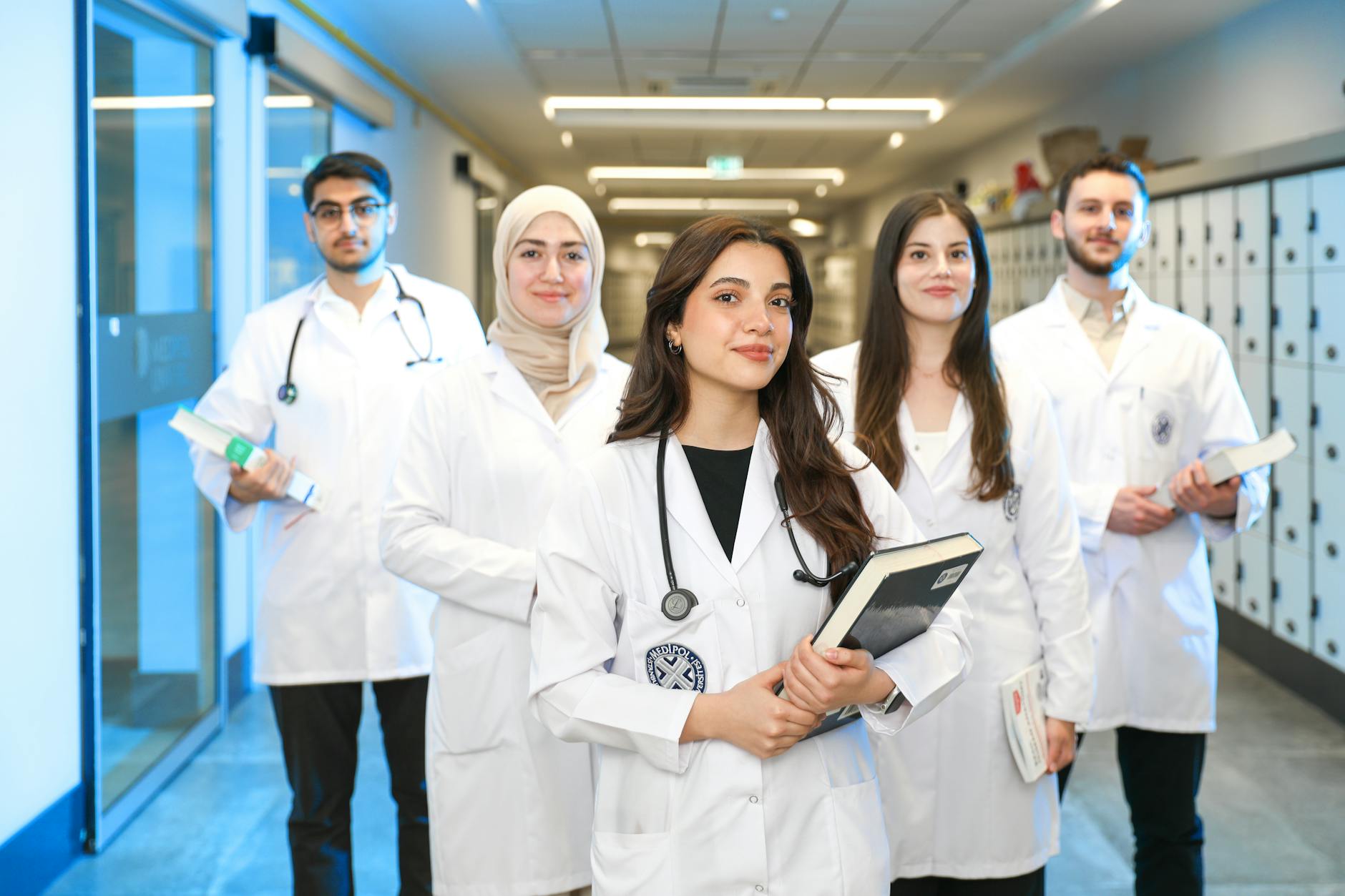
A Day in the Life of an MBBS Student at University of Catania: Real Indian Student Experience
Choosing to study medicine abroad is a monumental decision for any Indian family. When I first started researching the MBBS in Catania, I was looking for more than just a world-class education; I wanted to understand the rhythm of daily life. The MBBS student life University of Catania Catania daily routine is a unique blend of rigorous Mediterranean academic standards and the vibrant, affordable lifestyle of Sicily. From early morning lectures at Palazzo dell’Etna to clinical rotations at the Policlinico G. Rodolico, every day is a step toward becoming a globally recognized physician.
First Impressions of Catania as an Indian MBBS Student
Arriving in Catania, Sicily’s second-largest city, often feels surprisingly familiar to Indian students. The city vibe is dominated by a warm Mediterranean climate and a bustling energy that mirrors the lively streets of many Indian metros. However, the backdrop of the Mount Etna UNESCO heritage site and the stunning Ionian coast quickly reminds you that you are in a historic European hub.
One of the biggest draws for Indian parents is that Catania is incredibly affordable. Compared to northern Italian cities, the cost of living here allows students to live comfortably on a budget. The street food culture is legendary; while you might miss your local chaat, Catania’s arancini and fresh fish markets provide a high-quality, low-cost culinary experience. Initially, many students expect a “chaotic” Southern Italian environment, but they quickly find a growing tech startup scene and a supportive academic infrastructure that balances the city’s ancient charm.
Pre-Clinical Years (Year 1–3) — A Typical Day
The first three years of the MBBS in Italy focus on building a scientific foundation. Most of our time is spent at Palazzo dell’Etna, where the English-speaking cohorts attend lectures.
07:00–12:00 — Morning Lectures
My day usually begins early to beat the Sicilian sun. Lectures typically start at 08:00 AM. Each lecture lasts about two hours, covering core subjects like Molecular Biology, Chemistry, and Human Anatomy. Attendance is strictly monitored, with a 70% requirement for theoretical classes. The professors are highly accessible, often staying back to answer questions from the small, international cohort.
12:00–14:00 — Lunch (Southern Italy Culture)
Lunch is a significant event in Sicily. Southern Italy has a longer lunch culture, allowing for a genuine break. Most Indian students head to the “mense” (university canteens) like the one at Via Santa Sofia. A full, nutritious meal here costs between €2 and €3, making it the most cost-effective way to eat during the week.
14:00–17:00 — Lab Practicals or Seminars
Afternoons are reserved for hands-on learning. We move to the Torre Biologica for laboratories, such as Histology or Physiology practicals. The University of Catania also integrates unique “Med-Tech” modules early on, including Health Informatics and Bioengineering, preparing us for the future of digital health.
17:00–22:00 — Self-Study, Promenade, Social Time
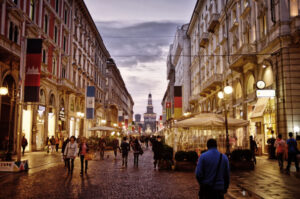
Once classes end, the city becomes our campus. I usually spend a few hours at the Medical Library or the computer stations at the university network. Around 19:00, it’s time for the “passeggiata” (evening stroll) along the promenade or through the city center. Dinner is often a shared affair with other Indian students, discussing the day’s lessons over home-cooked dal or local pasta.
Clinical Years (Year 3–6) — A Typical Day at Policlinico Universitario G. Rodolico – San Marco
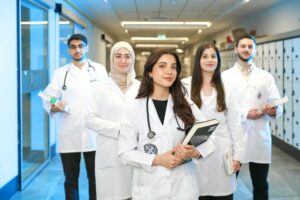
Transitioning to the clinical phase in the second semester of Year 3 changes everything. The focus shifts from textbooks to patients at the Policlinico G. Rodolico, a premier teaching hospital in the Mediterranean region.
06:30–08:00 — Ward Round Preparation
Hospital life starts early. By 07:00 AM, we are usually at the hospital, reviewing patient charts and preparing for the morning rounds. This is where the integrated curriculum of the University of Catania truly shines, as we begin applying theoretical knowledge to real-world clinical scenarios.
08:00–13:00 — Clinical Rotations & Bedside Teaching
These hours are the heart of medical training. We rotate through various departments, including Cardiology, Internal Medicine, and General Surgery. Under the supervision of experienced doctors, we perform physical examinations and participate in treatment planning. Communication is key here; while the course is in English, interacting with patients requires Italian proficiency, which most of us develop by Year 3.
13:00–15:00 — Departmental Seminar or Case Discussion
After a quick lunch, we gather for seminars. These sessions focus on clinical reasoning and problem-solving, often involving the analysis of complex cases observed in the wards that morning. The hospital’s simulation centers allow us to practice procedures in a controlled setting before performing them on patients.
15:00–22:00 — Case Review, FMGE Prep, Socialising
The evenings for senior students are more intense. In addition to university exams, many Indian students begin their FMGE or NExT preparation during this time. We use the university’s quiet study rooms to go through Indian medical coaching resources while balancing our Italian thesis research.
Weekly Schedules
Pre-Clinical Year Schedule
| Day | Morning (08:00–12:00) | Afternoon (14:00–17:00) | Evening (17:00–22:00) |
|---|---|---|---|
| Mon–Fri | Theoretical Lectures (Anatomy, Biochemistry) | Lab Practicals / Tech Modules | Self-Study & Italian Language Classes |
| Saturday | Library Research / Group Study | Free Time / Grocery Shopping | Social Gathering |
| Sunday | Rest | Reviewing Week’s Notes | Meal Prep for the Week |
Clinical Year Schedule
| Day | Morning (07:00–13:00) | Afternoon (14:00–17:00) | Evening (17:00–22:00) |
|---|---|---|---|
| Mon–Fri | Hospital Rotations (Policlinico) | Clinical Seminars / Case Studies | FMGE Prep & Thesis Work |
| Saturday | Optional Ward Observership | Self-Study | Catania Nightlife / Relaxation |
| Sunday | Rest | Exam Revision | Preparation for Monday Rounds |
Academic Culture at University of Catania
The academic culture here is quite different from the intense NEET-prep environment in India. While Indian medical education often relies on written competitive exams, Italy is famous for its oral exam tradition. Most exams consist of a written qualifying round followed by an extensive oral examination with a panel of professors. This system encourages deep understanding and the ability to articulate medical concepts clearly.
Attendance is mandatory (70% for theory, 100% for internships), but the university encourages self-directed learning. There is a strong emphasis on “problem-based learning” (PBL), where we work through clinical cases in groups. This collaborative approach helps international students integrate quickly and learn from diverse perspectives.
Social Life in Catania as an MBBS Student
Life in Catania isn’t just about the IMAT exam or hospital shifts. With 60 Non-EU seats available—one of the highest allocations in Italy—there is a thriving and warm Indian student community. We celebrate Diwali and Holi together, often inviting our Italian and international classmates to join, which creates a wonderful cultural exchange.
- Weekend Activities: Exploring the vibrant street food markets of Catania or taking a hike up Mount Etna.
- Day Trips: Sicily is full of wonders. On a free Sunday, you can take a quick bus to the historic city of Siracusa or the beautiful beaches of Taormina.
- Affordability: Since rent for a shared room is usually between €200 and €350, we have more financial freedom to enjoy the local lifestyle than students in Milan or Rome.
Mental Health & Wellbeing
Moving thousands of miles away can lead to homesickness, especially during the demanding exam sessions in February and July. The University of Catania offers student services, including centers for integration and disability support. However, the biggest support system is the Indian community. We often organize “potluck” dinners to share home-cooked meals, which is the best cure for feeling far from home. The university’s sports facilities also provide a great way to de-stress through physical activity.
FAQs
What is the daily schedule for an MBBS student in Catania?
Pre-clinical students typically have lectures from 08:30 AM to 12:30 PM, followed by labs in the afternoon. Clinical students start hospital rotations at 08:00 AM and have seminars or lectures in the afternoon.
Is attendance mandatory at the University of Catania?
Yes, the university requires 70% attendance for theoretical lectures and 100% attendance for clinical internships and laboratory sessions.
How expensive is student life in Catania for Indians?
Catania is one of Italy’s most affordable cities. Students can manage monthly expenses (including rent and food) for approximately €400 to €700, depending on their lifestyle.
Are exams in Catania written or oral?
Most exams follow the Italian tradition of being primarily oral, often preceded by a written multiple-choice qualifying test.
Can I find Indian food or groceries in Catania?
While there are few dedicated Indian stores, the local fresh markets offer all the basic ingredients (lentils, rice, vegetables) needed to cook Indian meals at home. Many students also bring specific spices from India.
What hospital do University of Catania students train at?
Clinical training is primarily conducted at the Policlinico Universitario G. Rodolico – San Marco, which is a major healthcare reference point for the region.
How do I manage the language barrier during clinical years?
While the degree is taught in English, students are expected to reach a B1/B2 level of Italian by the third year to communicate effectively with patients during hospital rotations.
Is there a large Indian student community in Catania?
Yes, due to the high number of Non-EU seats (60), Catania has one of the most significant Indian student populations among Italian medical schools.
Want This Life in Catania? Apply to Catania MBBS
If you are ready to begin your journey toward a medical degree in one of Europe’s most beautiful and affordable cities, we are here to help. From navigating MBBS in Italy fees and scholarships in Italy to securing your Italy student visa, our team provides expert guidance every step of the way.
Contact us today for a personalized consultation!
Get in Touch with Our Admissions Experts