Weather & Lifestyle in Turin for Indian Students: Seasons, Clothing & Adapting
For Indian students planning to study at the University of Turin, understanding the local environment is just as crucial as their academic preparation. Moving from the tropical or subtropical climates of India to the foot of the Italian Alps represents a significant shift. The weather Turin Italy Indian students lifestyle experience is characterized by distinct seasonal changes, a refined northern Italian pace of life, and a unique blend of historical elegance and modern student energy. This guide provides a comprehensive breakdown of what to expect throughout the year, helping students and parents prepare for a successful transition to one of Italy’s most sophisticated cities.
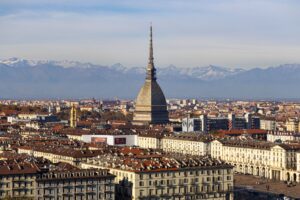
Turin, the capital of the Piedmont region, sits in the Po Valley but is deeply influenced by its proximity to the Alps. Unlike many coastal Italian cities, Turin experiences a continental climate with cold, often foggy winters and warm, humid summers. For Indian students, this means adapting to a level of seasonal variance that is rarely seen in the subcontinent, except perhaps in the Himalayan regions. However, this climate also offers incredible opportunities for winter sports and summer mountain trekking, adding a dynamic layer to the cost of living Italy considerations for extracurricular life.
Climate in Turin vs India — Key Differences
The following table compares the typical weather patterns in Turin across the four seasons. For Indian students, the transition to the “shoulder” seasons of Spring and Autumn is often the most surprising, while the Winter requires the most physical preparation.
| Season | Months | Temp Range °C | What to Expect | Clothing Needed |
|---|---|---|---|---|
| Spring | March to May | 8°C – 22°C | Variable weather, blooming parks, frequent light showers. | Light sweaters, trench coats, waterproof shoes. |
| Summer | June to August | 18°C – 33°C | Hot and humid, clear skies, occasional thunderstorms. | Cotton, linen, sunglasses, and hats. |
| Autumn | September to November | 5°C – 20°C | Cooling temperatures, beautiful foliage, valley fog. | Wool coats, scarves, leather boots with grip. |
| Winter | December to February | -2°C – 8°C | Cold, damp, potential snow, frequent morning frost. | Heavy parkas, thermals, gloves, and beanies. |
Winter in Turin — What Indian Students Must Know
Winter in Turin is a beautiful yet challenging period for those used to Indian winters. While cities like Delhi or Chandigarh experience cold snaps, the sustained damp cold of northern Italy is different. Students should be aware that the sun sets as early as 4:30 PM in December, which can sometimes lead to “winter blues” or seasonal affective disorder. Staying active and maintaining a bright social life in student districts like Vanchiglia is vital for mental well-being.
- Heating Bills Spike: In northern Italy, heating is regulated by law and typically turned on from mid-October to mid-April. Since Turin is in a colder zone, your utility bills will significantly increase during these months. Budget an extra €40–€70 per month for heating in a shared apartment.
- Warm Clothing Essentials: A high-quality down jacket or wool coat is non-negotiable. Investing in thermal base layers (Uniqlo Heattech or similar) will allow you to walk to classes comfortably without looking overly bulky.
- Winter Activities: The “con” of the cold is balanced by the “pro” of the Alps. Turin is just an hour away from world-class ski resorts. Many students take up skiing or snowboarding during the winter break.
Summer in Turin — Exam Season & Holidays
Summer in the Po Valley can be surprisingly hot and humid, reaching temperatures above 30°C. For Indian students, the heat may feel familiar, but the lack of widespread air conditioning in older Italian residential buildings can make it feel more intense than back home. It is a time when the city moves outdoors, with people flocking to the banks of the Po River in Parco del Valentino.
- Summer Exam Session: June and July are intense study months. Many students prefer studying in air-conditioned public libraries or the “Opera” study rooms to escape the afternoon heat.
- Accommodation Availability: If you are looking to move or arrive early, August is a difficult month. Most Italians go on holiday (Ferragosto), and many shops and real estate agencies close for two weeks.
- Part-Time Work Peak: The tourism and hospitality sectors in Turin peak in late spring and early summer, offering increased opportunities for students looking for part-time work.
Clothing & Packing List from India
Knowing what to pack from India and what to buy in Turin can save you both luggage weight and money. While India has great cottons, high-performance winter gear is often better purchased in Italy where it is designed for the local climate.
- What to Bring from India: Pack your lightweight cottons, t-shirts, and formal wear for university presentations. Also, bring at least one traditional Indian outfit for cultural events at the University of Turin. High-quality spices and a pressure cooker are also student essentials.
- What to Buy in Turin: Heavy winter jackets, waterproof boots (for those slippery cobblestones), and sturdy umbrellas should be bought locally. Stores like Decathlon or local markets like Porta Palazzo offer affordable, climate-appropriate options.
- The Scarf Culture: Italians wear scarves almost year-round for both style and health (to protect the throat from the “colpo d’aria” or sudden draft). Indian stoles and pashminas are perfect for the Spring and Autumn seasons in Turin.
Utility Costs Across Seasons
The cost of living in Turin is generally lower than in Milan, but utilities can vary greatly depending on the season. Shared apartments usually divide these costs among roommates (spese incluse or escluse).
| Season | Heating/Cooling (EUR/month) | Notes |
|---|---|---|
| Winter | €80 – €120 | Centralized heating costs are high in northern Italy. |
| Spring/Autumn | €30 – €50 | Mild temperatures mean minimal heating or cooling needs. |
| Summer | €40 – €60 | Costs arise if using portable fans or AC units. |
Lifestyle Differences — India vs Turin
Adapting to the lifestyle in Turin involves more than just checking the weather. The city has a distinct rhythm that is a blend of Italian passion and a more reserved, “aristocratic” northern temperament.
Daily Rhythm
Unlike the 24/7 hustle of major Indian metros, Turin follows a structured daily schedule. Shops often close for a mid-day break (riposo) between 12:30 PM and 3:30 PM. Dinner is a late affair, usually starting after 8:00 PM. Before dinner, the most important social ritual is the Aperitivo—where for the price of a drink, you get access to a buffet of food. For an Indian student, this is often a cost-effective way to socialize and eat.
Social Norms
Turinese people are known to be polite but slightly more “closed” than southern Italians. However, once you make a friend, they are friends for life. Learning basic Italian is essential; while many professors speak English, daily life at the market or post office requires Italian. There is a strong emphasis on “Bella Figura”—presenting oneself well, which means even students tend to dress smart-casual rather than in gym wear for classes.
Weekend Culture
On weekends, students in Turin enjoy the “human scale” of the city. You will find them chilling in Parco del Valentino, visiting the Egyptian Museum (the largest outside Cairo), or taking a 20-minute bus ride to the Basilica of Superga for a panoramic view of the city and the Alps. The nightlife is concentrated in the San Salvario and Vanchiglia districts, where the streets come alive with music and outdoor seating.
Best Day Trips from Turin for Indian Students
One of the perks of studying at the University of Turin or pursuing Engineering in Turin is the city’s strategic location. Travel is affordable via regional trains (Trenitalia).
- Milan: Only 1 hour by high-speed train (€15–€30). Perfect for a day of high-fashion shopping and visiting the Duomo.
- Langhe Wine Region (Alba/Asti): 1.5 hours by train (€8). Famous for its rolling hills, truffles, and vineyards—a UNESCO World Heritage site.
- Genoa & Ligurian Coast: 2 hours by train (€13). The closest sea access for students wanting to escape the summer heat and enjoy the Mediterranean.
- Aosta Valley: 1.5 to 2 hours by bus/train (€10–€15). The gateway to the highest peaks of the Alps, ideal for hiking and skiing.
FAQs
Is the weather in Turin too cold for Indian students?
While the winters are much colder than most of India, it is a “dry” cold in the city. With a good heavy jacket and thermals, most Indian students adapt within their first month. The presence of indoor heating in all university buildings and apartments makes it very manageable.
Do I need to pack a rain coat for Turin?
Yes, especially for the Spring (April/May) and Autumn (October/November) months. A compact, windproof umbrella is also a necessity as the wind coming off the Alps can be quite strong during rain showers.
How does the lifestyle in Turin compare to Milan?
Turin is often described as “more livable” than Milan. It is less chaotic, more affordable, and has a more authentic Italian feel. While Milan is the hub for fashion and finance, Turin is a hub for engineering, cinema, and food culture (it is the birthplace of Eataly and chocolate).
Can I find Indian groceries in Turin to maintain my diet?
Absolutely. The Porta Palazzo market, one of the largest open-air markets in Europe, has several shops dedicated to Asian and Indian groceries where you can find lentils, basmati rice, and various spices.
Is it expensive to stay warm in the winter?
Heating is the main winter expense. To save money, students often use rugs, heavy curtains, and wear warm layers indoors. It is important to check if your rent is “spese incluse” (all inclusive) to avoid surprise heating bills in January.
What is the “siesta” culture like in Turin?
While not a full “siesta” like in Spain, many smaller shops and local businesses in Turin close between 1:00 PM and 3:30 PM. Large supermarkets and shopping malls in the center stay open, but university students should plan their errands around these mid-day breaks.
Ready for Life in Turin?
Moving to Turin is a life-changing experience that offers more than just a degree; it offers a new way of living. From navigating the snowy winters to enjoying the vibrant summer festivals, every season brings a new lesson in adaptation. If you are ready to start your journey to the University of Turin, we are here to help. Whether you need assistance with your Italy student visa or finding Engineering programs, our experts can guide you through every step. Book a free consultation today and join the growing community of Indian students in Italy’s most elegant city.