Clinical Training at Sapienza University of Rome: Teaching Hospital, Rotations & What MBBS Students Experience
For Indian students aiming to practice medicine globally, the Sapienza University of Rome clinical training MBBS teaching hospital experience is a cornerstone of professional development. Founded in 1303, Sapienza is one of the oldest and most prestigious universities in the world, currently ranked #132 in the QS World University Rankings. Its English-taught Medicine and Surgery program (Degree F) offers a unique blend of centuries-old academic tradition and cutting-edge clinical practice. Navigating the journey from the classroom to the hospital ward at one of Europe’s largest medical fortresses is a transformative experience for any aspiring doctor.
Indian parents often worry about the practical exposure their children will receive when studying MBBS in Italy. At Sapienza, clinical education is not an afterthought; it is integrated early and extensively. Students benefit from direct exposure to diverse patient populations in the heart of Rome, ensuring they develop the diagnostic skills and bedside manner required for a successful career, whether they plan to clear the FMGE/NExT in India or pursue residency in the US or UK.
Overview — When Does Clinical Training Begin at Sapienza University of Rome?
The six-year single-cycle Master’s Degree in Medicine and Surgery at Sapienza is meticulously structured to transition students from theoretical foundations to advanced clinical mastery. Unlike many programs that delay patient interaction until the late stages, Sapienza emphasizes early clinical exposure.
- Pre-clinical Phase (Years 1–3): The first two years focus heavily on the “hard sciences” including Chemistry, Biochemistry, Physics, and Human Anatomy. However, even during these years, students begin attending labs and specialized workshops.
- Transition Point (Year 2, Semester 2): A distinguishing feature of Sapienza is that systematic clinical clerkships and professional training activities often begin as early as the second semester of the second year. This allows students to apply their knowledge of physiology and histology to real-world medical contexts immediately.
- Clinical Phase (Years 3–6): From the third year onward, the hospital becomes the primary classroom. The curriculum shifts toward pathology, pharmacology, and systemic clinical rotations. By the final year, students are fully immersed in hospital wards, culminating in the mandatory “Tirocinio Pratico Valutativo” (Practical Evaluation Internship).
The Teaching Hospital — Sapienza University of Rome’s Clinical Training Hub
The heart of clinical education at Sapienza is the Policlinico Umberto I. This isn’t just a hospital; it is a “Città Universitaria” (University City) in its own right, located in the San Lorenzo district of Rome, just steps away from the central medical campus.
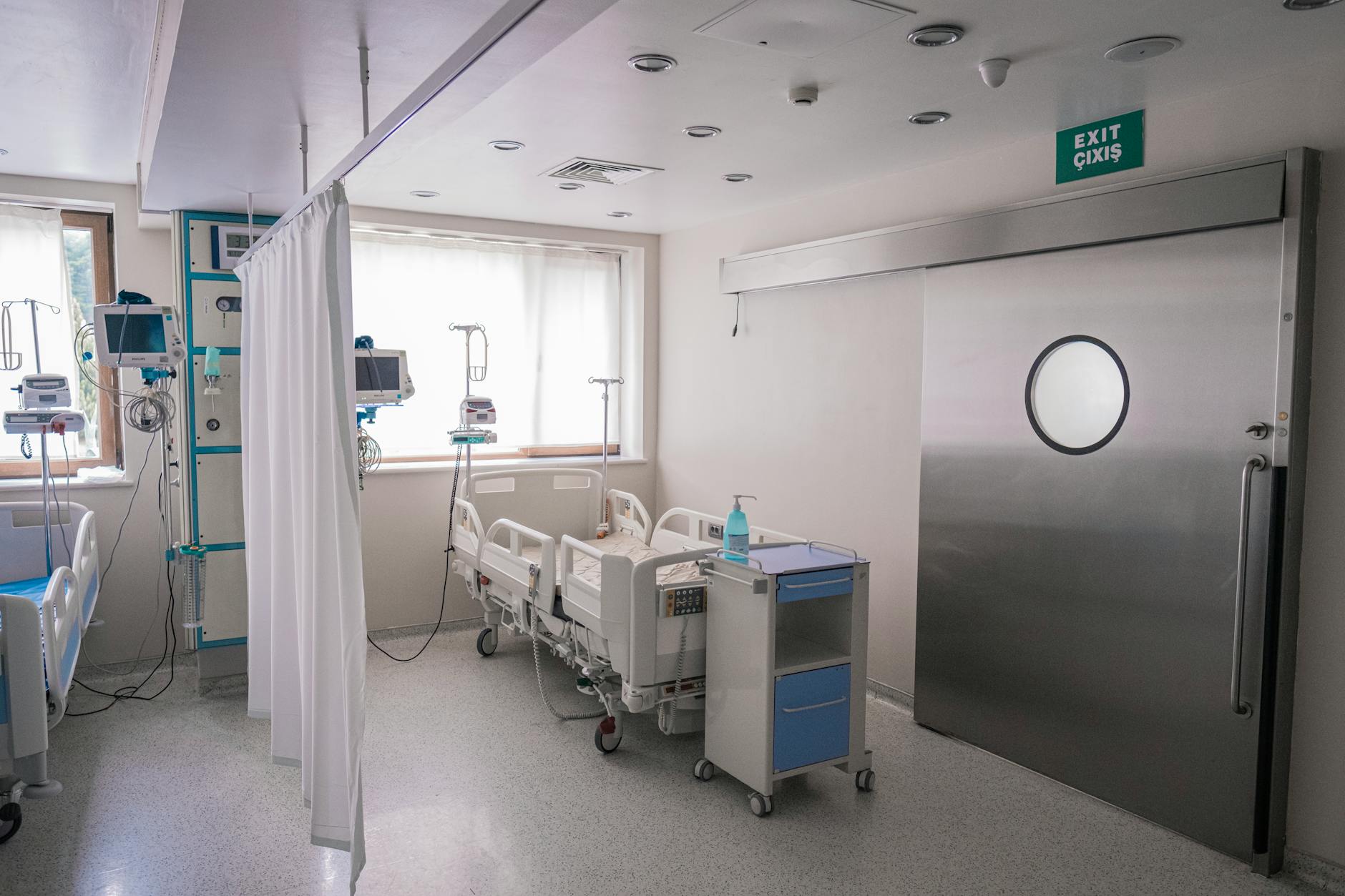
Policlinico Umberto I is one of the largest and most important teaching hospitals in Italy. Its size and history make it a “force to be reckoned with” in the global medical community. For an Indian student, training here means access to a massive volume of cases and specialized departments that few private hospitals can match. The hospital features state-of-the-art technology, dedicated research labs, and a specialized “Skills Lab” where students can practice procedures like catheter insertion and BLS (Basic Life Support) using advanced simulators before performing them on patients.
Additionally, students utilize the Sant’Andrea General Hospital. While Sant’Andrea is located further from the city center, it is renowned for its research-intensive environment and modern facilities. These hospitals provide a diverse patient demographic, allowing students to encounter a vast array of medical conditions, from common lifestyle diseases to rare genetic disorders.
Clinical Rotation Schedule
The clinical rotation schedule at Sapienza is designed to ensure that students gain competency in every major medical and surgical branch. Below is a breakdown of the typical clinical progression for an MBBS student.
| Year | Rotation / Focus | Duration | Key Skills Learned |
|---|---|---|---|
| Year 3 | Clinical Semeiotics & Methodology | Part-time Clerkships | Physical examination, taking patient history, basic diagnostic reasoning. |
| Year 4 | Core Rotations (Internal Medicine, General Surgery) | Intensive Wards | Management of chronic conditions, pre- and post-operative care, pharmacology applications. |
| Year 5 | Specialty Rotations (Pediatrics, OB/GYN, Neurology) | Specialized Depts | Diagnostics in specialized populations, advanced imaging interpretation, emergency protocols. |
| Year 6 | Advanced Internship + Thesis Research | Full-time Immersion | Autonomous patient management (under supervision), clinical research, and final thesis defense. |
Specialties Covered During Clinical Training
During their tenure at Policlinico Umberto I and Sant’Andrea, students rotate through a comprehensive list of specialties. This breadth of exposure is critical for students who have not yet decided on their future specialization.
- Internal Medicine & Surgery: The backbone of the curriculum, where students learn the systemic approach to disease.
- Paediatrics & Neonatology: Training in one of Italy’s leading pediatric units, focusing on developmental health and childhood illnesses.
- Obstetrics & Gynaecology: Practical experience in labor wards and maternal health clinics.
- Psychiatry & Neurology: Leveraging the Sapienza Neuroscience Center for advanced study of the brain and mental health.
- Emergency Medicine: High-pressure training in Rome’s busy trauma centers, essential for developing quick decision-making skills.
- Cardiology, Oncology & Dermatology: Exposure to specialized treatment protocols, including immunotherapy and advanced surgical techniques.
Language in Clinical Settings
A common question from Indian students is: “Do I need to speak Italian?” While the MBBS in Sapienza program is taught entirely in English, the reality of the hospital ward is different. Patients in Rome primarily speak Italian.
Sapienza manages this by providing a unique Medical Italian course. This free, specialized module is designed specifically for medical students to learn the clinical terminology needed to communicate with patients. In the early clinical years, professors and senior students often act as translators. However, by the fourth and fifth years, most international students find themselves comfortably taking histories in Italian. This bilingual capability is actually a significant professional advantage, making graduates more competitive in the European job market.
Research Opportunities During MBBS
Sapienza is a research powerhouse. As a student, you are encouraged to participate in cutting-edge biomedical research from your early years. This is not just for those wanting to become scientists; research proficiency is highly valued in IMAT exam preparation and future residency applications like the USMLE.
In the final year, every student must complete a Degree Thesis. This involves original research conducted within a university department or hospital ward. Many Indian students at Sapienza use this opportunity to collaborate on international publications, which significantly boosts their profiles for competitive PG seats in the USA, UK, or Germany. The university’s vast resources, including over 50 libraries and numerous research centers, provide an unparalleled academic environment.
Patient Exposure vs Indian Medical Colleges — A Comparison
Indian students coming from a background of highly crowded government hospitals in India will find the Italian system different but equally rigorous.
| Factor | Sapienza University of Rome | Top Indian Govt College | Average Indian Private College |
|---|---|---|---|
| Patient Volume | High (Regional hub in Rome) | Extremely High | Moderate to Low |
| Technology | Advanced (AI, Digital Imaging) | Variable (Often Basic) | Good |
| Student-to-Patient Ratio | Low (Personalized mentorship) | High (Massive crowd) | Low |
| Hands-on Autonomy | Gradual, supervised | Early, often high-pressure | Limited |
| Research Focus | Integrative & Mandatory | Secondary to Service | Minimal |
Career Impact of Sapienza University of Rome’s Clinical Training
The clinical training at Sapienza is designed to meet Directive 75/363/EEC, meaning your degree is automatically recognized across the European Union. For Indian students, this opens several doors:
- Returning to India: The curriculum aligns well with the requirements for the FMGE (Foreign Medical Graduate Examination) and the upcoming NExT exam. The clinical depth ensures you are prepared for the practical components of these tests.
- USMLE/PLAB: The exposure to advanced diagnostics and evidence-based medicine at Sapienza makes Indian students very competitive for residencies in the US and UK.
- Postgraduate in Italy: Graduates can apply for specialized PG programs (Specializzazione) in Italy, benefiting from the affordable fees and high standard of living.
A Day in the Life: MBBS Clinical Year Student at Sapienza
What does a typical day look like for an Indian student in their fourth year at Sapienza? It is a balance of hospital duty and academic rigor.
- 08:00 AM – 01:00 PM: Hospital Rotations. You start your day at Policlinico Umberto I. You might be in the Cardiology ward, joining the “Giro” (ward rounds) with the head physician, checking patient vitals, and discussing case files.
- 01:00 PM – 02:00 PM: Lunch Break. A quick meal at the university “Mensa” (canteen), where you can get a full Italian meal for a subsidized price (often covered by scholarships in Italy).
- 02:00 PM – 05:00 PM: Afternoon Lectures. Theoretical classes at the main campus (Città Universitaria). These lectures often dive deep into the pathology of the cases you saw in the morning.
- 05:00 PM onwards: Self-study and Socializing. Reviewing the day’s notes, working on your thesis, or exploring the historic streets of Rome. Many students also use this time for Italian language practice or participating in student community events.
Living in Rome is an education in itself. While the cost of living in Italy can be higher in Rome than in smaller cities, the location advantage of being in the capital provides unmatched access to international medical conferences and networking opportunities.
FAQs
Is the clinical training at Sapienza recognized in India?
Yes, Sapienza University of Rome is recognized by the WHO and the National Medical Commission (NMC). Indian students can practice in India after clearing the required licensing exam (FMGE/NExT).
Do I have to pay for the Medical Italian course?
No, Sapienza provides a specialized Medical Italian course for free to international medical students to help them communicate effectively during hospital rotations.
Can I choose which teaching hospital I go to?
Most rotations are conducted at Policlinico Umberto I due to its proximity. However, some specialized practicals and lectures may take place at Sant’Andrea Hospital or other affiliated clinics in Rome.
What is the student-to-teacher ratio during clinical rotations?
Sapienza maintains small class sizes for the English MD program (usually around 45–50 students). This allows for small-group rotations where students get direct attention from professors and surgeons.
Do I get hands-on experience or just observation?
The training is progressive. It begins with observation and assisting in the mid-years and moves to active participation, performing procedures under supervision, and managing patient care in the final years.
Is it possible to do clinical electives abroad?
Yes, Sapienza has extensive Erasmus+ agreements and international collaborations, allowing students to perform part of their clinical training or thesis research in other European countries or worldwide.
Want to Train at Sapienza? Get Admission Help
Securing a seat at Sapienza University of Rome is highly competitive and requires a strategic approach to the IMAT and the Italy student visa process. Don’t navigate this complex journey alone. At ISC, we have helped hundreds of Indian students fulfill their dream of studying medicine in Italy. From IMAT coaching to document legalization and scholarship applications, our experts provide end-to-end support.
Are you ready to start your medical career in Rome? Contact our experts today for a free profile evaluation and take the first step toward the Sapienza University of Rome clinical training MBBS teaching hospital experience!
Explore more about your future university: Top Italian Universities